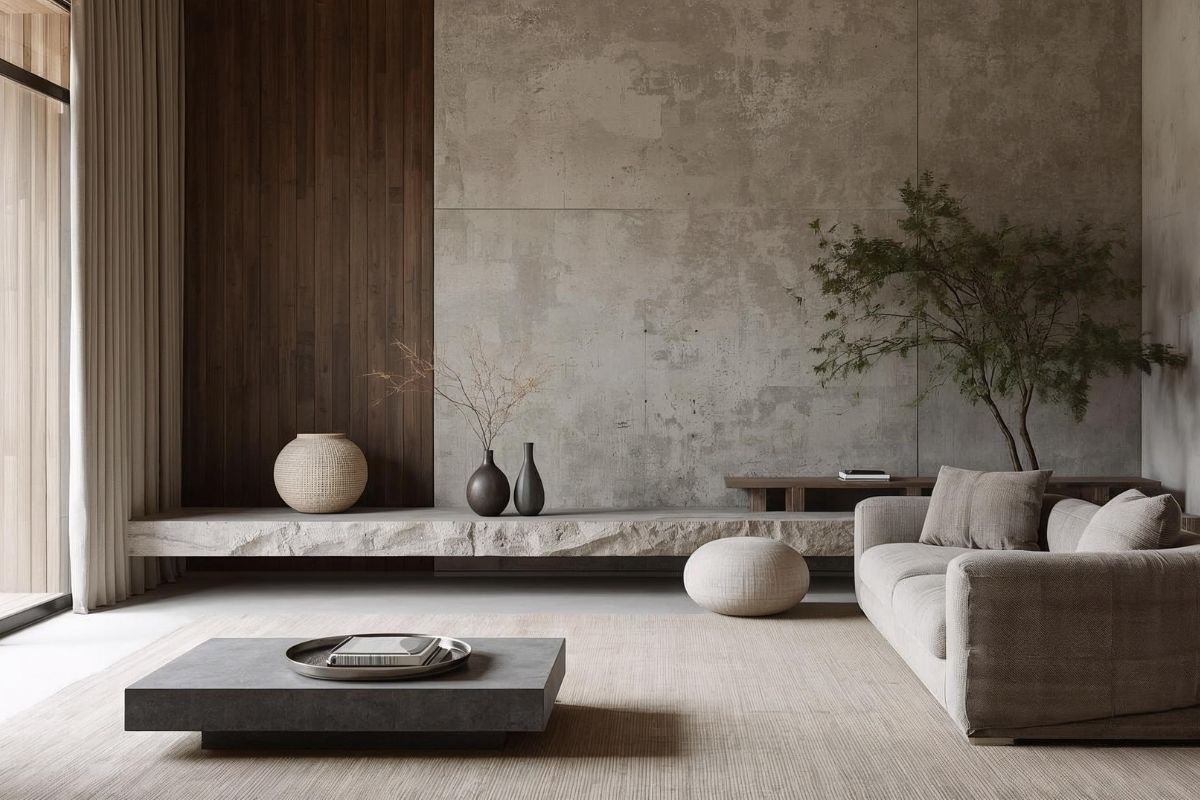
Wabi sabi style is a way of decorating that finds beauty in things that are imperfect, impermanent, and incomplete. A hand-thrown bowl with an uneven rim, a linen throw softened by years of use, a weathered wooden bench, and a single branch in a clay vase are all expressions of this quiet, deeply calming aesthetic.
Rooted in Japanese philosophy, wabi sabi asks us to slow down, appreciate simplicity, and value objects for their honesty and character rather than their perfection. In a world of mass production and constant newness, a wabi sabi home feels grounded, personal, and peaceful. This guide explains where the style comes from, its key principles, and how to bring it into every room of your home.
Key Takeaways
- Wabi sabi is a Japanese philosophy that celebrates imperfection, impermanence, and simplicity.
- Natural, honest materials such as wood, clay, stone, linen, and paper are essential.
- Earthy, muted colors drawn from nature create a calm, grounded atmosphere.
- Handmade, aged, and repaired objects are valued for their story and character.
- Uncluttered spaces, soft light, and natural textures encourage stillness and reflection.
- Wabi sabi is less about buying a look and more about living thoughtfully with fewer, meaningful things.
What Is Wabi Sabi?
Wabi sabi is not just a decorating style but a worldview. It shapes how you choose objects, how you arrange a room, and how you feel about the passage of time in your home.
The Meaning of the Words
The term combines two Japanese ideas. Wabi originally described the loneliness of living in nature, away from society, and later came to mean rustic simplicity, quietness, and understated elegance. Sabi refers to the beauty that comes with age, such as the patina on metal, the weathering of wood, or the wear on a well-loved object. Together they describe an appreciation for things that are humble, natural, and shaped by time.
Origins in Zen and the Tea Ceremony
Wabi sabi grew out of Zen Buddhism, which teaches that all things are impermanent. It was developed further through the Japanese tea ceremony, where tea masters such as Sen no Rikyu favored simple, rustic tea houses, rough handmade tea bowls, and modest utensils over the lavish imported objects that had been fashionable. These small, quiet spaces became models of the wabi sabi aesthetic. Earlier tea master Murata Juko is often credited with first favoring humble local wares in the tea room. In the West, the idea became widely known through Leonard Koren’s book Wabi-Sabi for Artists, Designers, Poets and Philosophers.
Wabi Sabi Versus Japandi and Minimalism
Wabi sabi is often confused with minimalism and Japandi. Minimalism focuses on reduction and clean, often perfect surfaces. Japandi blends Japanese and Scandinavian design, combining calm with crisp functionality. Wabi sabi is softer, rougher, and more organic. It embraces cracks, irregular shapes, and visible wear, and it values warmth and soul over polish. A wabi sabi room may be simple, but it is never sterile.
The Core Principles of Wabi Sabi Design
A few guiding ideas help translate the philosophy into an interior.
Embrace Imperfection
Uneven glazes, hand-cut edges, knots in wood, and slight asymmetry are celebrated rather than hidden. These marks show that an object was made by hand or shaped by nature, giving it individuality.
Accept Impermanence
Materials that change over time, such as unsealed wood, linen, leather, and unlacquered brass, are welcomed. Their aging is part of their beauty. Seasonal branches and dried flowers also remind us that nothing stays the same.
Value Simplicity
Wabi sabi spaces contain only what is useful or meaningful. Empty space is treated as an important design element that allows each object to breathe and be appreciated.
Connect With Nature
Natural light, organic materials, plants, and views of the outdoors bring the rhythms of nature inside. The home should feel like a calm extension of the natural world.
Materials and Textures
Materials are the foundation of wabi sabi style. They should be natural, tactile, and honest about what they are.
Wood
Reclaimed, weathered, or simply oiled wood with visible grain and knots is ideal. Oak, ash, cedar, and walnut work well. Charred wood, known as shou sugi ban, adds a deep, textured finish that suits the style.
Clay, Stone, and Plaster
Handmade ceramics, stoneware, river stones, and rough-hewn stone surfaces bring an earthy presence. Lime plaster, clay plaster, and limewash paint create soft, cloudy walls with subtle movement that change with the light throughout the day.
Natural Fabrics
Washed linen, raw cotton, hemp, wool, and jute add softness and texture. Wrinkled linen bedding and slubby woven throws are welcomed rather than ironed into perfection.
Paper, Bamboo, and Metal
Rice paper lanterns and screens filter light gently. Bamboo and rattan add lightness, while aged iron, bronze, and unlacquered brass develop a beautiful patina over time.
The Wabi Sabi Color Palette
Wabi sabi colors are muted and drawn directly from nature.
Earthy Neutrals
Warm whites, oatmeal, sand, stone gray, mushroom, and clay form the base of most wabi sabi interiors. These tones feel soft and restful and allow textures to stand out.
Deeper Natural Tones
Charcoal, umber, rust, moss green, and indigo add depth. Use them sparingly in ceramics, textiles, or a single accent wall. The overall effect should remain calm and harmonious, never bright or loud.
Furniture and Decor
Wabi sabi furniture is simple, low, and crafted, with an emphasis on quality and longevity.
Simple, Handcrafted Furniture
Choose pieces with clean, organic shapes in natural wood, such as a solid wood dining table with a live edge, a low bench, or a simple stool. Vintage and antique furniture with visible wear fits perfectly. Low-profile seating with linen slipcovers creates a relaxed, grounded feel.
Handmade Objects
Hand-thrown pottery, wooden bowls, woven baskets, and hand-forged metal objects are central to the look. Choose a few pieces with character and display them with plenty of space around them.
Kintsugi and Repaired Pieces
Kintsugi is the Japanese art of repairing broken pottery with lacquer mixed with gold. Rather than hiding the damage, it highlights the cracks as part of the object’s history. Kintsugi pieces, and the idea of mending rather than replacing, express the heart of wabi sabi.
Nature as Decor
A single branch, a few dried grasses, a piece of driftwood, or stones collected on a walk make meaningful decor. Ikebana-inspired arrangements with just a few stems suit the style better than full bouquets.
Light and Space
Light and emptiness shape the mood of a wabi sabi home as much as objects do.
Soft Natural Light
Sheer linen curtains, paper shades, and unobstructed windows let daylight move gently across textured walls. Shadows are welcomed as part of the atmosphere.
Warm Artificial Light
Paper lanterns, ceramic table lamps, and candles provide a low, warm glow. Choose warm bulbs around 2700K and place lights low to create intimate pools of light.
The Value of Empty Space
In Japanese aesthetics, the concept of ma refers to meaningful space between things. Leaving walls, shelves, and floors partly empty gives the eye a place to rest and makes the room feel calm.
Bringing Wabi Sabi Into Every Room
Wabi sabi principles can be adapted to any room in the home.
Living Room
A low linen sofa, a solid wood coffee table, a wool or jute rug, plaster walls, and a few handmade ceramics create a peaceful gathering space.
Bedroom
A low wooden bed, rumpled linen bedding, a simple nightstand, and soft lighting turn the bedroom into a restful sanctuary.
Kitchen and Dining Room
Open shelves with stoneware, a wooden dining table, stone or concrete surfaces, and handmade tableware celebrate everyday rituals of cooking and eating.
Bathroom and Entryway
A stone basin, a wooden stool, linen towels, and plaster walls give the bathroom a spa-like calm. In the entryway, a simple bench, a ceramic vase with a branch, and a natural fiber mat offer a quiet welcome.
Tips for Getting Wabi Sabi Right
Start by decluttering and keeping only what you use or love. Replace synthetic materials with natural ones over time, and look for vintage, handmade, or locally crafted pieces instead of mass-produced decor. Avoid making the space look staged or artificially distressed; authentic wear develops naturally. Most importantly, let the room evolve slowly. Wabi sabi is about living with your belongings and allowing them to gain meaning over the years.
Where to Find Wabi Sabi Pieces
Wabi sabi is not a look you can buy in a single shopping trip. The most authentic pieces are found slowly, often with a story attached.
Local Makers and Artisans
Ceramicists, woodworkers, and weavers create objects with the irregular shapes and honest finishes that define the style. Buying from local makers at craft fairs, studios, or markets also means each piece is unique and comes with a personal connection.
Vintage and Antique Shops
Old wooden stools, worn chests, aged pottery, and linen textiles carry genuine patina that cannot be imitated. Look for pieces that are well made and still useful, even if they show signs of age.
Nature Itself
Some of the best wabi sabi decor costs nothing. Branches, dried seed heads, stones, driftwood, and pieces of bark collected on walks bring the outdoors in and change with the seasons. A simple clay vessel filled with whatever is growing outside is a perfect expression of the philosophy.
Caring for Natural Materials as They Age
In a wabi sabi home, materials are expected to change over time. Caring for them is less about keeping them perfect and more about helping them age well.
Wood
Oiled or waxed wood can be refreshed with a new coat of natural oil when it starts to look dry. Small scratches and marks become part of the surface and gradually blend into a soft patina. Avoid heavy lacquers, which hide the grain and crack rather than age gracefully.
Plaster and Stone
Lime plaster and limewash can be touched up easily, and slight variations in color only add to their character. Natural stone surfaces should be sealed where they meet water or food, but light wear and gentle staining are part of their beauty.
Linen and Natural Textiles
Linen becomes softer with every wash. Skip ironing and let the natural wrinkles show. Repair small tears with visible mending rather than replacing the piece, which reflects the same spirit as kintsugi.
Living the Wabi Sabi Way
Wabi sabi is ultimately a way of seeing and living, not just a decorating scheme. A few everyday habits help the philosophy take root in your home.
Buy less and choose better, favoring objects that are useful, durable, and meaningful. Mend and maintain what you own instead of replacing it at the first sign of wear. Change a vase arrangement with the seasons as a small ritual of noticing time passing. Make space for quiet moments, such as a morning cup of tea by a window or a few minutes of stillness before guests arrive. These practices make the home feel calmer, and they also make the style more personal, because the objects you keep and care for gradually tell the story of your life.
Blending Wabi Sabi With Other Styles
Few homes are purely one style, and wabi sabi mixes well with others as long as natural materials and calm stay at the center. The key is to let wabi sabi set the mood while the other style contributes structure or a few signature pieces.
Wabi Sabi and Modern Design
Modern architecture, with its clean lines, large windows, and open plans, makes a surprisingly good backdrop for wabi sabi. Soften crisp white walls with limewash or a plaster finish, then add a few rough textures: a chunky wool rug, a hand-thrown lamp base, or a reclaimed wood console. Keep modern furniture in simple shapes and natural finishes so it reads as quiet rather than sleek.
Wabi Sabi and Rustic or Farmhouse Style
Rustic and farmhouse interiors already share wabi sabi’s love of wood, linen, and worn surfaces. To lean toward wabi sabi, edit out the decorative signs, matching sets, and busy collections. Keep the honest materials and the patina, but give each piece more space and choose a softer, more muted palette.
Wabi Sabi and Mid-Century Modern
The organic curves and warm woods of mid-century furniture pair naturally with handmade ceramics and linen. A walnut sideboard topped with a single stoneware vessel and a dried branch is a simple meeting point of the two styles. Avoid the bright accent colors often used in mid-century rooms and stick to earthy tones.
How to Keep Wabi Sabi From Looking Themed
Because the style has become popular, it is easy to end up with a room that looks like a showroom rather than a lived-in home. A few principles keep it genuine.
Choose Real Age Over Faked Wear
Factory-distressed finishes and printed “rustic” textures tend to look repetitive, because the same marks appear on every piece. Real patina is uneven and specific. One genuinely old wooden stool will do more for a room than several new items made to look worn.
Avoid Decorating With Symbols
A room filled with bonsai, Buddha figures, calligraphy prints, and paper fans reads as a costume of Japanese culture rather than an expression of wabi sabi. The philosophy is about humility and restraint, not motifs. Focus on materials, light, and space, and let any Japanese pieces you own be ones you genuinely use or treasure.
Let Your Own Story Show
Wabi sabi is personal by nature. A chipped bowl from a grandparent, a stone from a favorite beach, or a quilt that has been patched over the years belongs in a wabi sabi home far more than a new accessory bought to fit the look. Mix these personal objects in and the room will feel authentic instead of styled.
Wabi Sabi for Real Life: Kids, Pets, and Small Spaces
One of the best things about wabi sabi is that it forgives everyday wear, which makes it practical for busy households and compact homes.
Families and Pets
Oiled wood, washed linen, wool, and leather all hide small marks and only look better with use. Slipcovers in washable linen or cotton can be thrown in the machine, and a flat-weave jute or wool rug handles muddy paws better than a delicate pile. Keep fragile ceramics on higher shelves and choose sturdy stoneware for anything within reach of small hands or wagging tails.
Small Apartments
Wabi sabi’s emphasis on fewer, meaningful objects makes small spaces feel larger. Choose low furniture to keep sightlines open, use one textured wall finish instead of many accessories, and store everyday clutter in lidded baskets or closed wooden cabinets. A single well-placed branch arrangement can anchor an entire studio.
Rentals
If you cannot replaster walls or change floors, focus on what moves with you. Linen curtains, paper lantern shades, a wool rug, a vintage wooden table, and a collection of handmade pottery bring most of the feeling into a rental without any permanent changes.
A Wabi Sabi Quick-Start Checklist
If you are not sure where to begin, work through these steps one room at a time:
- Clear surfaces and remove anything you do not use or love.
- Swap one synthetic textile, such as polyester curtains or a plastic-backed rug, for linen, cotton, or wool.
- Replace cool-toned bulbs with warm ones and add at least one low lamp or lantern.
- Bring in one handmade object, ideally from a local maker or a vintage shop.
- Add something from nature, such as a branch, stones, or dried grasses.
- Leave one wall, shelf, or corner intentionally empty.
- Repair one worn or broken item instead of replacing it.
Small, steady changes like these build a wabi sabi home far more convincingly than a single dramatic makeover.
Conclusion
Wabi sabi style offers a gentle alternative to perfection. By choosing natural materials, earthy colors, handmade objects, and uncluttered spaces, you can create a home that feels calm, authentic, and deeply personal.
More than a trend, wabi sabi is a way of seeing beauty in simplicity, age, and imperfection. Embrace it slowly, and your home will become a peaceful place that grows richer with time.
Frequently Asked Questions
More Wabi Sabi Style Decor
- Wabi Sabi Style Bedroom: Finding Peace in Unfinished Details
- Wabi Sabi Style Living Room: Designing a Space That Celebrates Impermanence