
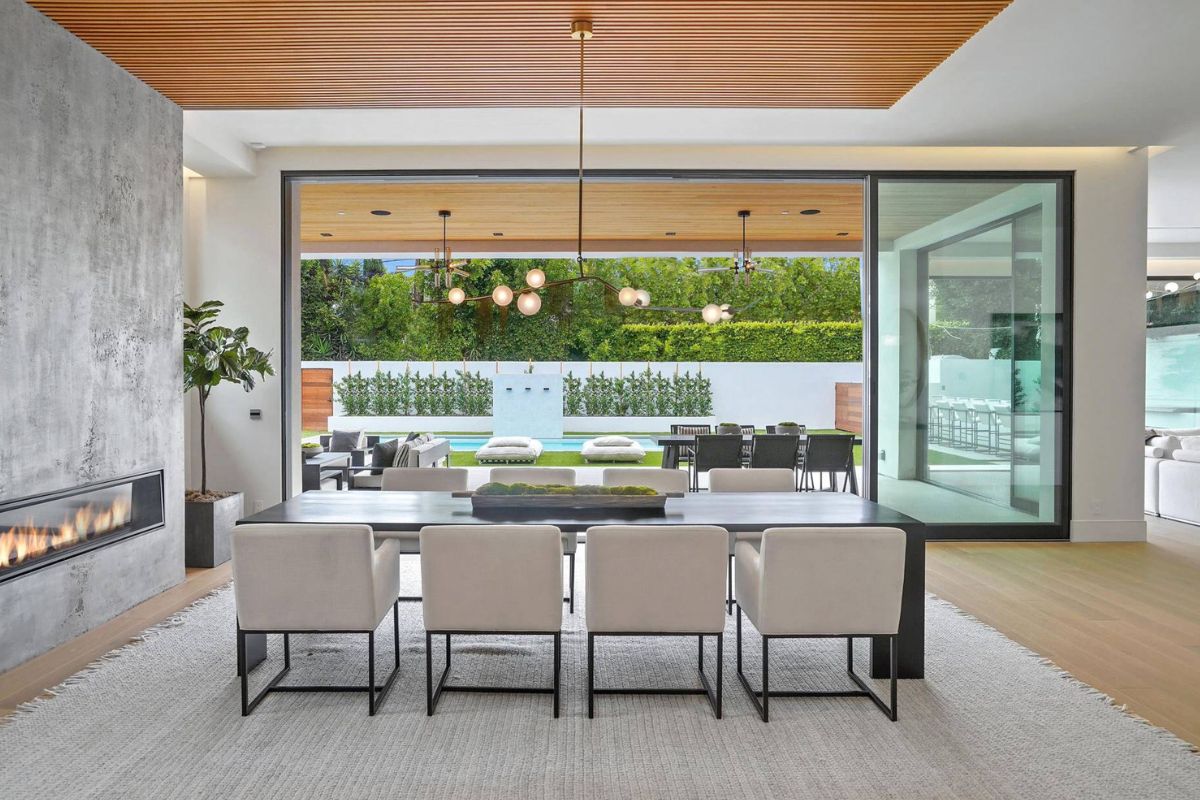
A minimalist style dining room is built around one good table. Picture a solid oak table with a simple apron-free top, six spindle-back chairs pulled neatly beneath it, a paper lantern pendant glowing overhead, and a low sideboard holding everything else out of sight. A single ceramic bowl sits in the center, and the walls are bare except for one large print. The room feels open and ready, whether for a quiet breakfast or a long dinner with friends.
Minimalism in the dining room means letting the act of sharing a meal take center stage. Instead of china cabinets packed with rarely used pieces and tables buried under centerpieces, the style relies on a few well-made pieces, natural materials, and generous space to move. The effect is effortless elegance: a room that looks composed with very little and is easy to set, clear, and clean.
Key Takeaways
- The dining table is the anchor, so invest in one with clean lines and honest materials.
- Comfortable, simple chairs matter more than matching sets or statement shapes.
- Closed storage in a low sideboard keeps serveware and linens out of sight.
- A neutral palette with wood and one soft texture keeps the room warm.
- A single well-placed pendant does more than several decorative fixtures.
- Clear surfaces after every meal are the key habit that keeps the look.
Planning the Space
Good proportions are the foundation of a minimalist dining room. With few objects in the room, every measurement shows.
Clearance Around the Table
Allow about 36 inches between the table edge and the nearest wall or furniture, and closer to 42 to 48 inches where people walk behind seated guests. This open space is part of the design, and it makes the room feel calm rather than crowded.
Choosing the Right Size
Plan about 24 inches of table length per diner, with 30 inches giving more elbow room. A 72-inch rectangular table seats six comfortably, while a 48-inch round seats four to five. In a small room, buying the table for daily use and adding an extension leaf for guests keeps the space open most of the time.
Shape and Flow
Rectangular tables suit long rooms, while round and oval tables soften square rooms and help conversation. A round pedestal table is especially useful in tight spaces because there are no corner legs to bump.
Choosing the Dining Table
The table is where a minimalist dining room puts most of its investment. It should be simple in form and rich in material.
Materials
Solid oak, ash, and walnut bring warmth and age well, with small marks becoming part of the character. Honed stone or sintered stone tops are durable and cool to the touch, often paired with a slim metal or wood base. Light-colored woods suit Scandinavian-leaning rooms, while darker walnut feels quieter and more formal.
Forms That Work
Look for slab tops, square or tapered legs, trestle bases, and pedestal bases with no carving or ornament. Thin edges and slightly rounded corners make a table look lighter and are kinder to hips and knees.
Finish and Care
An oil or hardwax finish feels natural and can be spot-repaired, while a lacquered finish resists spills better. Use coasters and trivets, and wipe with a damp cloth and mild soap.
Seating
Chairs are used every day, so comfort and simplicity should come before novelty.
Chair Styles
Spindle-back wood chairs, simple upholstered side chairs, molded plywood shells, and woven-seat chairs with paper cord or rush all suit the style. Choose a seat height around 18 inches for a standard 30-inch table, leaving about 12 inches between seat and tabletop.
Benches
A plain wooden bench on one side of the table seats more people in less space and can slide fully underneath when not in use. Benches work best for families with children, or where the table backs onto a wall.
Mixing With Restraint
Minimalist rooms usually stay with one chair style, but two related styles, such as wood chairs on the sides and upholstered chairs at the ends, can work if they share a color or material.
Storage and Serveware
Hidden storage is what allows the table and walls to stay clear.
Sideboards and Credenzas
A low sideboard with flat doors or drawers holds plates, glasses, linens, and candles. Choose one about the same color as the table or the walls so it blends in. The top can hold a lamp and one object, leaving the rest of the surface empty.
Built-In Options
In a small room, a wall of shallow built-in cabinets painted the same color as the walls nearly disappears. Cabinets 12 to 16 inches deep fit plates and glassware without taking much floor space.
A Simple Serveware Set
Edit serveware to what is used regularly. A useful core set includes:
- Plain white or stoneware plates and bowls for eight
- One large platter and two serving bowls
- Simple clear glasses that work for water and wine
- Linen napkins in a single neutral color
Color and Materials
A limited palette helps the table and chairs stand out while keeping the room soft and calm.
Neutral Bases
Warm white walls with light oak furniture feel airy and bright. Soft gray walls with walnut and black accents feel more grown-up. Beige or mushroom tones with natural linen and pale stone create a warm, gentle room.
Accent Color
If color is wanted, add it in one quiet place, such as a deep green linen runner, an ochre ceramic vase, or a single large print. Keeping the accent to one tone stops the room from feeling busy.
Balancing Hard and Soft
Wood, stone, and metal can make a dining room echo. A flat-weave wool or jute rug, linen curtains, and upholstered seats absorb sound and soften the look. Choose a rug that extends at least 24 inches beyond the table on all sides so chairs stay on it when pulled out.
Lighting
Lighting is often the only decorative element in a minimalist dining room, so choose it with care.
The Main Pendant
One pendant over the table, centered and hung about 30 to 36 inches above the top, sets the mood. Paper lanterns, opal glass globes, and simple metal domes all suit the style. For a long table, a slim linear fixture or two matching pendants spread light evenly.
Supporting Light
Add dimmable recessed lights or a pair of wall sconces so the room is not lit by one source alone. A small lamp on the sideboard gives a warm glow during dinner. Choose bulbs around 2700K for flattering, relaxed light.
Candlelight
A pair of simple candlesticks or a few low glass votives adds a soft, flickering layer for evening meals. Unscented candles are best at the table, so they do not compete with the smell of the food.
Styling Without Clutter
Minimalist styling uses a small number of objects with space around them.
The Table
Keep the table bare between meals, or leave one object such as a wooden bowl, a vase with a single branch, or a pair of candlesticks. Remove it when setting the table so the surface is free for dishes.
The Walls
One large artwork or a big round mirror is usually enough. Hang art so its center is around 57 to 60 inches from the floor, or lower when it sits above a sideboard.
Seasonal Touches
Change the vase stem through the year: cherry blossom or tulips in spring, olive branches in summer, dried grasses in fall, and evergreen cuttings in winter. This small change keeps the room fresh without adding objects.
Small Dining Areas and Open Plans
Many homes have a dining corner rather than a separate room. Minimalist principles make these spaces work especially well.
Defining the Zone
In an open-plan room, a rug and a pendant together mark the dining area without walls. Align the table with the pendant and keep the area free of unrelated furniture, so the zone reads clearly from the kitchen and living space.
Space-Saving Pieces
A round drop-leaf or extendable table can sit against a wall for daily use and open up for guests. Stackable or folding chairs in a simple wood or molded design store neatly in a closet. A built-in banquette along one wall saves floor space and can hide storage under the seat.
Budget-Friendly Updates
Minimalism is a forgiving style on a budget. Removing extra furniture and decor costs nothing and often makes the biggest change. Painting mismatched second-hand chairs one color, swapping a dated chandelier for a simple paper pendant, and adding plain linen curtains can refresh the room for very little.
Common Mistakes
One frequent mistake is choosing a table that is too large, which removes the open space the style depends on. Another is pushing all storage into open shelving, which displays every dish. A third is relying on hard surfaces only, leaving the room loud and cold. A wool rug, upholstered seats, or linen curtains absorb sound and add warmth without visual clutter.
It is also easy to strip the room so bare that it feels unfinished. One branch in a stoneware vase, a single framed print, or a wooden bowl on the sideboard gives the eye a resting point and makes the space feel lived in.
Finally, avoid hanging a pendant too high, which makes it feel disconnected from the table. Keeping these points in mind at the planning stage saves costly changes later.
Conclusion
A minimalist style dining room centers on a well-made table, simple and comfortable chairs, hidden storage, a neutral palette, and one beautiful light. Space around the table is as important as the furniture itself.
Choose fewer pieces of better quality, keep the table clear between meals, and change one small object with the seasons. The result is a dining room that feels effortlessly elegant and ready for everyday meals and special gatherings alike.
Frequently Asked Questions
More Minimalist Style Decor
- Minimalist Style: Ultimate Guide
- Minimalist Style Bedroom: Restful Spaces for Serenity
- Minimalist Style Living Room: Embracing Simplicity and Functionality
- Minimalist Style Kitchen: Streamlined Design for Efficient Culinary Spaces
- Minimalist Style Bathroom: Tranquil Retreat with Clean Elegance
- Minimalist Style Entryway: Clean and Clutter-Free Welcome


