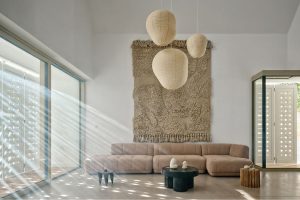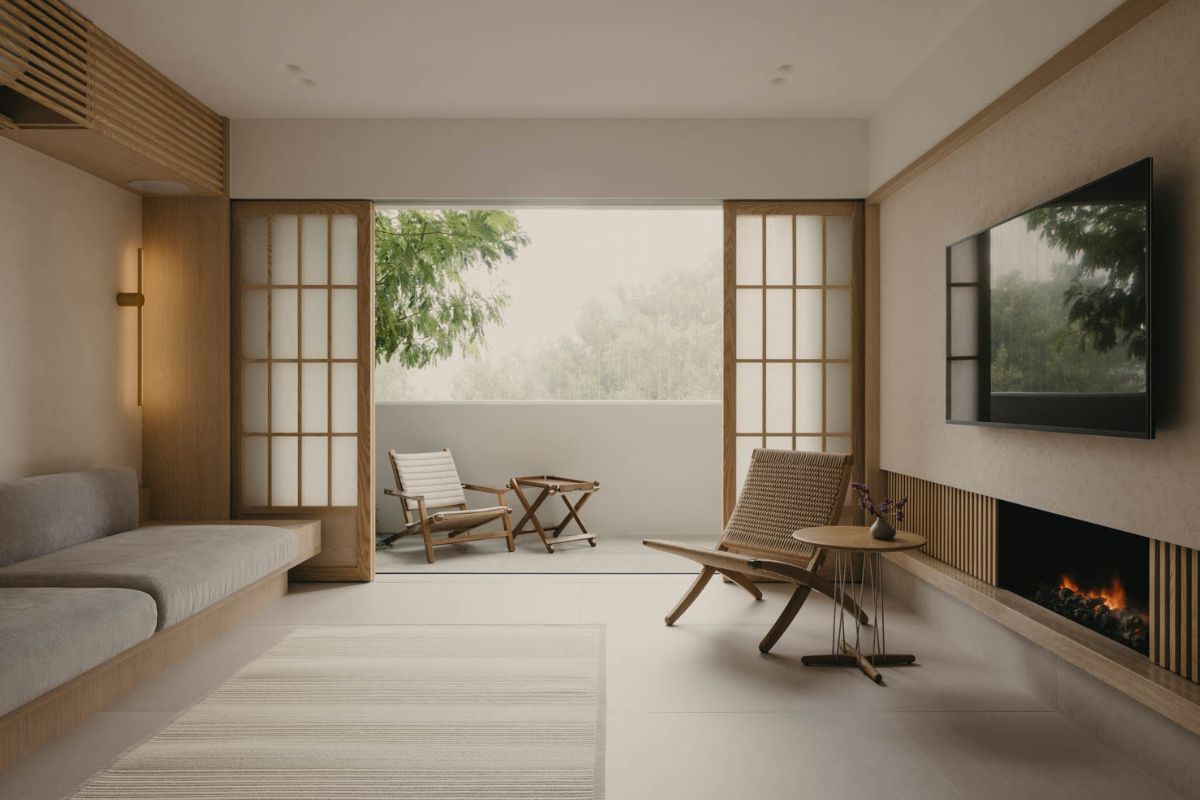
Japandi style brings together two design traditions that have a surprising amount in common: the quiet, nature-inspired restraint of Japanese interiors and the warm, functional simplicity of Scandinavian homes. The result is a calm, uncluttered look built on natural materials, soft neutral colors, and beautifully made furniture.
Japandi has become one of the most popular interior styles of recent years because it answers a modern need. In busy, screen-filled lives, people want homes that feel restful, honest, and grounded. Japandi delivers that serenity without feeling cold, making it a style you can live with comfortably every day.
Key Takeaways
- Japandi blends Japanese minimalism with Scandinavian warmth and functionality.
- Core ideas include simplicity, craftsmanship, natural materials, and a connection to nature.
- The palette centers on warm neutrals, muted earth tones, and contrasting black accents.
- Low-profile furniture with clean lines and visible wood grain defines the look.
- Negative space and fewer, better-quality pieces create a calm atmosphere.
- Textured textiles, handmade ceramics, and plants add warmth and personality.
What Is Japandi Style?
Japandi is a hybrid interior design style, and its name combines “Japan” and “Scandi.” It merges the clean lines and natural materials of Scandinavian design with the refined minimalism and quiet elegance of Japanese interiors.
Two Traditions, One Philosophy
Japanese and Scandinavian design developed on opposite sides of the world, yet both value simplicity, craftsmanship, and a close relationship with nature. Both cultures also prize homes that feel calm and practical rather than showy. Japandi brings these shared values together in a single, harmonious look.
What Each Side Contributes
Scandinavian design brings coziness, light woods, soft textiles, and a focus on comfortable, functional furniture. Japanese design contributes darker woods and accents, low-profile furniture, a reverence for empty space, and an appreciation for natural imperfection. Together they create interiors that are both minimal and inviting.
Why Japandi Has Become So Popular
Japandi offers a middle ground for people who love minimalism but find stark, all-white interiors too cold. It also aligns with growing interest in sustainability, since it favors durable, well-made pieces and natural materials over fast, disposable furniture.
The Core Principles of Japandi Design
Several ideas from both cultures shape how a Japandi home looks and feels.
Wabi-Sabi: Beauty in Imperfection
Wabi-sabi is a Japanese worldview that finds beauty in things that are imperfect, impermanent, and natural. In Japandi interiors, it shows up as handmade ceramics with uneven glazes, wood with visible knots and grain, and linen that wrinkles naturally.
Hygge: Comfort and Coziness
Hygge is the Danish idea of coziness and contentment. It brings soft throws, warm lighting, and comfortable seating into Japandi spaces, ensuring that minimalism never feels harsh or uninviting.
Ma and Kanso: Space and Simplicity
The Japanese concept of ma refers to the meaningful use of empty space, while kanso means simplicity and the elimination of clutter. Together they encourage leaving room around furniture, keeping surfaces clear, and choosing only what is useful or truly loved.
Craftsmanship and Longevity
Both traditions value well-made objects built to last. Japandi favors solid wood furniture, quality joinery, and handmade accessories that age gracefully over trend-driven pieces.
The Japandi Color Palette
Color in a Japandi home is soft, natural, and calming, with just enough contrast to keep things interesting.
Warm Neutrals as the Foundation
Warm white, cream, oatmeal, sand, greige, and taupe form the base of most Japandi rooms. These shades feel softer and more welcoming than pure white and pair beautifully with natural wood.
Muted Earth Tones
Muted sage, olive, clay, terracotta, soft rust, and stone gray add depth without disrupting the calm. Use them on an accent wall, in textiles, or in ceramics.
Black and Charcoal Accents
Touches of black or charcoal, often from Japanese influence, provide contrast and definition. Think of a dark wood side table, black window frames, or matte black light fixtures against light walls.
Materials and Textures
Natural materials are at the heart of Japandi design. Texture replaces pattern as the main source of visual interest.
Wood
Light woods such as oak, ash, and birch reflect the Scandinavian side, while darker woods like walnut and charred or stained finishes reflect Japanese influence. Mixing a light floor with a few darker wood accents is a classic Japandi approach.
Natural Fibers
Bamboo, rattan, cane, jute, and paper bring lightness and texture. Woven baskets, cane cabinet doors, and paper lanterns are all signature elements.
Stone, Clay, and Linen
Stone and clay appear in vases, bowls, sinks, and countertops. Linen, cotton, and wool add softness through bedding, curtains, cushions, and rugs. Choose textiles with visible weave and natural irregularities.
Japandi Furniture and Layout
Furniture in a Japandi home is functional, well-crafted, and visually light.
Low-Profile and Clean-Lined Pieces
Low platform beds, low sofas, and floor cushions reflect the Japanese tradition of living closer to the ground. Clean lines, gentle curves, and simple joinery keep the look refined. Avoid ornate details and heavy upholstery.
Fewer, Better Pieces
Japandi rooms contain only the furniture that is truly needed. Investing in a few high-quality pieces, such as a solid wood dining table or a well-made sofa, creates a calmer and more lasting result than filling the room with many items.
Hidden Storage
Closed storage keeps everyday clutter out of sight and helps preserve negative space. Sideboards with sliding doors, built-in cabinets, and storage benches are practical Japandi choices.
Lighting in Japandi Interiors
Lighting in a Japandi home should feel soft, warm, and natural.
Natural Light
Maximize daylight with sheer linen curtains, simple roller shades, or shoji-inspired screens that diffuse light gently. Keep window areas uncluttered.
Paper and Wood Fixtures
Paper lanterns, such as the sculptural Akari-style lights inspired by the work of Isamu Noguchi, are iconic in Japandi interiors. Wooden pendants, rattan shades, and simple ceramic lamps also suit the style. Choose warm bulbs around 2700K for a cozy glow.
Decor and Accessories
Decor in a Japandi home is minimal but meaningful. Each object should earn its place.
Handmade Ceramics and Art
Stoneware vases, textured bowls, and simple abstract or ink-style art add character. Display a few pieces with plenty of space around them rather than grouping many objects together.
Plants and Natural Elements
Sculptural branches, a bonsai, an olive tree, or a simple ikebana-inspired arrangement bring nature indoors. Choose plants with interesting shapes and keep arrangements simple.
Bringing Japandi Style Into Every Room
Japandi principles can be applied throughout the home. In the bedroom, a low platform bed, linen bedding, and minimal nightstands create a restful retreat. In the living room, a low sofa, a wood coffee table, and a textured rug set a calm, social tone. Kitchens benefit from flat-panel wood cabinets and stone counters, bathrooms from natural stone and wooden accents, and dining rooms from a solid wood table surrounded by simple chairs. Even the entryway can introduce Japandi calm with a slim bench, a few hooks, and a single plant.
Japandi Compared With Similar Styles
Japandi is often confused with other calm, natural styles. Understanding the differences helps you choose pieces that feel genuinely Japandi rather than generically minimal.
Scandinavian interiors tend to be brighter and more playful, with white walls, pale woods, cozy layers, and occasional pops of color or pattern. Japandi keeps the warmth and comfort but tones everything down. Colors become earthier, furniture sits lower, darker woods and black accents appear, and decoration is reduced to a few carefully chosen objects. If a Scandinavian room feels light and airy, a Japandi room feels grounded and serene.
Japandi vs. Minimalism
Both styles value simplicity and open space, but classic minimalism can feel cool, sleek, and sometimes stark, with glossy surfaces and very little texture. Japandi is softer and more tactile. It relies on natural materials, visible wood grain, handmade ceramics, and textiles such as linen and wool. In short, minimalism is about having less, while Japandi is about having less that is also warm, natural, and beautifully made.
Japandi vs. Wabi Sabi
Wabi sabi is one of the philosophies behind Japandi, but as a decorating style it is rougher and more organic. Wabi sabi interiors embrace visible wear, raw plaster, irregular shapes, and aged materials. Japandi uses some of that spirit but balances it with the clean lines and practical comfort of Scandinavian design, so it usually looks more refined and orderly.
How to Create a Japandi Home Step by Step
You do not need to renovate or replace everything at once. A gradual approach is more in keeping with the style and helps you make thoughtful choices.
Step 1: Declutter and Edit
Start by removing what you do not use or love. Clear surfaces, reduce the number of decorative objects, and find closed storage for everyday items. This step costs nothing and immediately brings a room closer to the calm Japandi feel.
Step 2: Soften the Color Palette
Repaint stark white or brightly colored walls in a warm white, greige, or soft beige. If painting is not possible, introduce the palette through textiles, such as linen curtains, a wool rug, and neutral cushions.
Step 3: Introduce Natural Materials
Replace synthetic or plastic accessories with wood, ceramic, stone, bamboo, and natural fibers. A wooden tray, a stoneware vase, a jute rug, or a rattan pendant are affordable ways to add texture.
Step 4: Invest in Key Furniture
Over time, replace bulky or overly ornate furniture with low, clean-lined pieces in solid wood. Prioritize the items you use every day, such as a sofa, dining table, or bed. One well-made piece will do more for the look than several cheaper ones.
Step 5: Layer Light and Greenery
Add soft, warm lighting with paper lanterns, linen shades, or wooden fixtures, and bring in a few sculptural plants or branches. These finishing touches make the space feel alive and complete.
Japandi Style on a Budget
Because Japandi relies on fewer objects, it can actually be an affordable style to achieve. A few smart choices make a big difference.
Shop Secondhand
Vintage and secondhand markets are full of solid wood furniture, handmade ceramics, and simple Scandinavian pieces from past decades. A secondhand teak sideboard or oak chair often costs less than a new flat-pack version and is far better made.
Focus on Textiles and Lighting
Linen bedding, a wool throw, a jute rug, and a paper lantern are relatively inexpensive but have a large visual impact. Swapping these elements alone can shift a room toward Japandi without buying new furniture.
Use Nature as Decor
Branches, dried grasses, smooth stones, and seasonal foliage cost little or nothing and suit the style perfectly. A single branch in a simple vase can be as striking as an expensive art piece.
Common Japandi Mistakes to Avoid
One frequent mistake is making a room too cold. All-white walls, gray furniture, and no texture feel more clinical than calm, so always include warm wood and soft textiles. Another is mixing too many wood tones. Choose two or three that work together, such as light oak with walnut accents, and repeat them throughout the room.
It is also easy to slip into theme decorating with too many obviously Japanese or Scandinavian objects. Japandi is about principles rather than souvenirs. Finally, avoid buying many inexpensive decorative items to fill space. Empty space is part of the design, and a few meaningful pieces will always look better than a crowded shelf.
The Roots of Japandi
Japandi may feel like a recent trend, but the conversation between Japanese and Scandinavian design is more than a century old. Knowing where the style comes from makes it easier to recognize pieces that carry its spirit.
An Exchange of Ideas
When Japan opened to international trade in the nineteenth century, its prints, ceramics, and crafts traveled to Europe and sparked a wave of fascination among artists and designers. Scandinavian architects and furniture makers were among those who studied Japanese houses closely, admiring their modular rooms, sliding screens, exposed timber, and lack of ornament.
The Mid-Century Connection
By the middle of the twentieth century, Danish and Swedish designers were producing furniture that shared much with Japanese craft: honest joinery, carefully selected wood, and forms reduced to their essentials. Japanese designers, in turn, admired Scandinavian functionalism. Charlotte Perriand, who worked in Japan in the early 1940s, and Sori Yanagi, whose Butterfly stool joined Japanese craft with Western modernism, are two of the figures who carried ideas between the two traditions. Many of the clean-lined teak and oak pieces from this era still look at home in a Japandi room today.
Both regions have long winters or rainy seasons, a deep respect for forests and timber, and cultures that value modesty over display. Homes in both places were designed to make the most of limited daylight and to bring comfort through materials rather than decoration. Japandi simply names a kinship that already existed.
How to Shop for Authentic Japandi Pieces
Because Japandi is popular, many products are labeled with the name without reflecting the style. A few checks help you spot the real thing.
Look Closely at Materials
Turn a piece over or open a drawer. Solid wood, or quality veneer over a stable core, will show consistent grain on edges and corners. Printed wood-look laminate repeats the same pattern and chips at the edges. Ceramics should feel substantial, with glazes that vary slightly from piece to piece.
Check the Joinery and Proportions
Visible joints such as dovetails, finger joints, or pegged connections signal careful construction. Look for slim legs, thin tabletops with softened edges, and seat heights that sit a little lower than average. Bulky frames and heavy hardware work against the light, grounded look.
Favor Restraint Over Motifs
Authentic Japandi pieces rarely rely on obvious symbols such as cherry blossom prints, painted characters, or folk patterns. The beauty comes from form, material, and texture. If an item needs a decorative motif to look Japanese or Scandinavian, it is probably not the right fit.
Caring for Japandi Materials
Natural materials are meant to age, but a little care keeps them looking beautiful rather than worn out.
Wood and Natural Fibers
Dust wood with a soft, dry cloth and wipe up spills quickly. Oiled finishes benefit from a fresh coat of furniture oil once or twice a year, which deepens the color and protects against drying. Keep rattan, cane, and bamboo away from radiators and direct heat, and vacuum woven pieces with a brush attachment.
Linen, Wool, and Ceramics
Wash linen in cool water and let it air dry; its soft wrinkles are part of the look. Air wool throws and rugs outdoors when possible, and spot clean rather than soaking them. Hand wash handmade ceramics, especially those with unglazed bases, which can absorb water and crack if left damp.
A Japandi Quick-Start Checklist
Use this list to check whether a room is heading in the right direction:
- Surfaces are mostly clear, with only a few chosen objects on display.
- Walls are in a warm neutral rather than stark white or a bright color.
- Two or three wood tones repeat across the room.
- At least one piece of furniture sits low to the ground.
- Textiles are natural, such as linen, cotton, wool, or jute.
- Lighting is warm and diffused, with no bare, cool-toned bulbs.
- There is one living element, such as a plant or a branch.
- Everyday items are stored behind closed doors.
If most of these are true, your room already has the calm, balanced feel that defines Japandi. Small adjustments over time will refine it further.
Conclusion
Japandi style unites the best of Japanese and Scandinavian design: simplicity, craftsmanship, natural materials, and a deep connection to nature. With a warm neutral palette, low-profile furniture, plenty of negative space, and carefully chosen handmade details, it creates homes that feel calm, balanced, and welcoming.
Start small by editing clutter, adding natural textures, and choosing one or two well-made pieces. Over time, your home can evolve into a serene Japandi retreat that supports a slower, more intentional way of living.
Frequently Asked Questions
More Japandi Style Decor
- Japandi Style Bedroom: Harmony of Minimalism and Coziness
- Japandi Style Living Room: Tranquil Simplicity and Functional Beauty