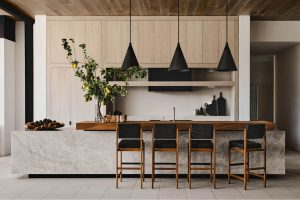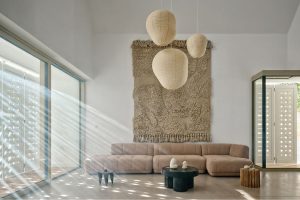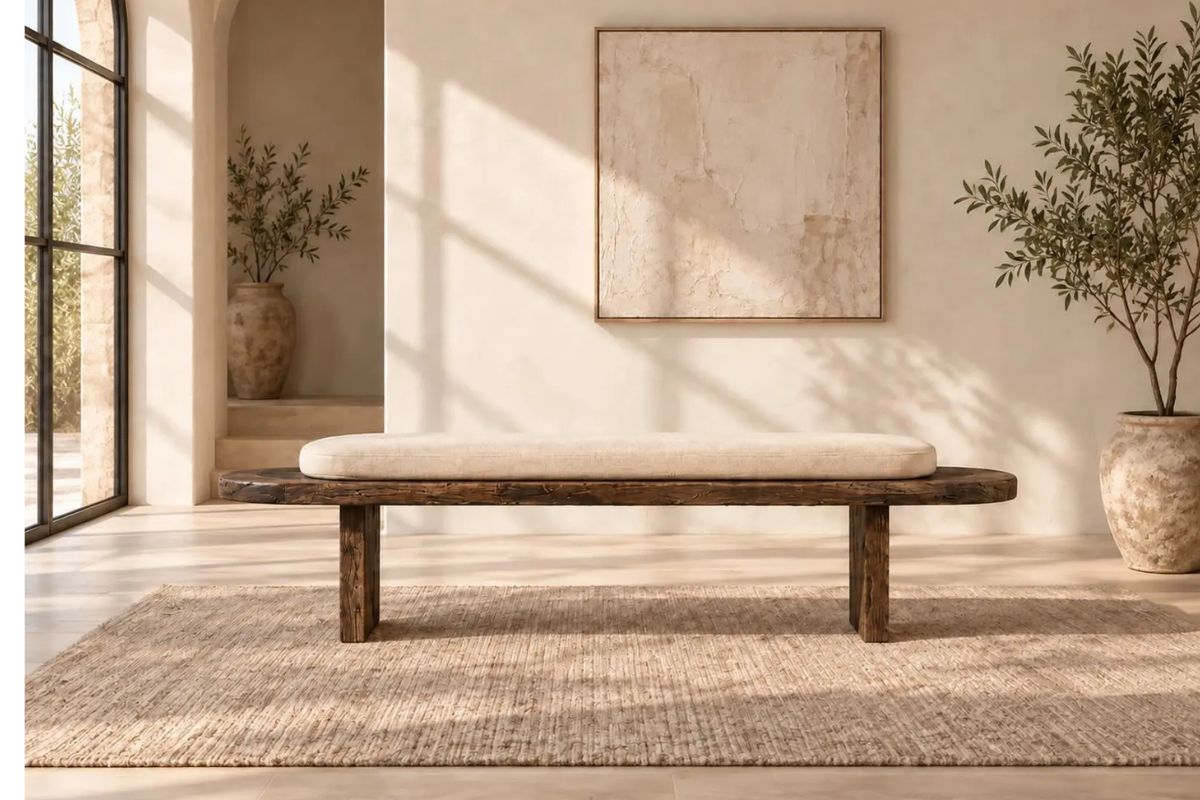
A Japandi style entryway strikes a harmonious balance between calm and clean design. A low oak bench, a slatted shoe cabinet, a round mirror in a thin wooden frame, a paper lantern, and a single ceramic vase create a welcome that feels peaceful the moment you step inside. Nothing is wasted, and every object has room to breathe.
Japandi blends the warm minimalism of Scandinavian design with the quiet refinement of Japanese interiors. Both traditions value natural materials, craftsmanship, and uncluttered spaces, which makes the style ideal for an entryway, where clutter tends to build up fastest. This guide covers the principles behind the look, how to plan the space, and the furniture, materials, lighting, and decor that bring a Japandi entry to life.
Key Takeaways
- Japandi entryways combine Japanese calm with Scandinavian warmth and function.
- The Japanese genkan inspires a clear place to remove and store shoes.
- Low wooden benches and closed, slatted storage keep the space uncluttered.
- Light oak, ash, bamboo, linen, and stone create a natural, tactile palette.
- Soft, diffused light from paper lanterns or linen shades sets a serene mood.
- A few handmade objects and plenty of empty space give the entry its quiet elegance.
The Principles of a Japandi Entryway
Japandi is more than a mix of two looks. It rests on a few shared values that guide every choice, from the bench you buy to how many objects you leave on display.
Calm Through Simplicity
The style favors clean lines, low profiles, and a limited number of pieces. In an entry, that means only the furniture you truly need and surfaces that are mostly clear. The result is a space that feels restful even when the rest of the day is busy.
Function With Warmth
From Scandinavian design comes the idea that useful objects should also feel cozy. Soft textiles, warm wood, and gentle light make the entry welcoming instead of stark. From Japanese design comes a respect for craftsmanship and the beauty of imperfection, seen in handmade ceramics, visible wood grain, and natural fibers.
The Genkan Tradition
In Japanese homes, the genkan is the area just inside the front door where shoes are removed before stepping up into the living space. It keeps dirt out of the house and marks the transition from outside to inside. A Japandi entry borrows this idea with a clear shoe area, a place to sit, and storage that keeps footwear neatly out of sight.
Planning the Layout
Because Japandi relies on open space, planning is essential. A few measurements help you choose pieces that fit without crowding the room.
Measure and Keep the Path Clear
Leave a walkway of at least 36 inches and make sure the door can open fully. Low benches around 16 to 18 inches high suit the grounded feel of the style. Slim consoles and shoe cabinets between 10 and 14 inches deep work well in narrow halls, and wall-mounted pieces keep the floor visible, which makes the space feel larger.
Define a Shoe Zone
Mark the area right inside the door as the place where shoes come off. A change of flooring, such as a stone or tile area followed by wood, echoes the traditional genkan step. If changing the floor is not possible, a natural fiber mat or a slatted wooden platform can define the zone just as clearly.
Hide What You Can
Japandi entries rely on closed storage. Plan where coats, bags, umbrellas, and everyday items will go before you add any decor. A built-in closet with plain doors, a tall cabinet, or a bench with drawers keeps visual clutter to a minimum and allows the few decorative pieces you choose to stand out.
Furniture and Storage
Japandi furniture is simple, well made, and low to the ground, with a focus on natural wood and quiet details.
Benches
A low bench in solid oak, ash, or walnut with clean lines is the centerpiece of many Japandi entries. Look for subtle joinery, rounded edges, and a matte oiled finish. A bench with a slatted lower shelf adds room for a pair of shoes or a small basket. A linen cushion in oatmeal or charcoal adds comfort without breaking the calm look.
Shoe Cabinets
Slim shoe cabinets with slatted or flat wooden doors keep footwear hidden and allow air to circulate. Wall-mounted cabinets that float above the floor are especially effective, as they make the entry feel airy and leave room underneath for a pair of everyday shoes. In a larger entry, a full-height built-in cabinet with simple handleless doors can hold the whole family’s shoes and coats.
Hooks and Peg Rails
Minimal wooden pegs, a simple peg rail, or a sleek wall-mounted coat rack in oak or black metal holds coats and bags. Limit the number of items hanging at any time to keep the look calm. Hang adult hooks around 60 to 66 inches from the floor, and store seasonal coats elsewhere.
Materials, Colors, and Surfaces
Natural materials and a muted palette are what make a Japandi entry feel serene.
Natural Materials
Light oak, ash, bamboo, rattan, linen, paper, and stone are the core materials. Mix light Scandinavian woods with a few darker Japanese-inspired accents, such as a walnut tray or a charred wood frame, for depth. Matte finishes are preferred over glossy ones, as they feel softer and more natural.
Muted Palette
Warm white, greige, sand, and soft beige form the base, with accents of charcoal, black, muted green, terracotta, or clay. Keep the palette limited to three or four tones so the space stays harmonious. Limewash or clay-based paint adds subtle texture to plain walls.
Floors and Rugs
Light wood, natural stone, or large-format porcelain tile in a stone look suit the style. A jute, sisal, or flat-weave wool runner adds texture and warmth while catching dirt. Choose a rug in a solid color or a very subtle pattern to keep the look calm.
Lighting and Mirrors
Soft, diffused light is essential to the Japandi atmosphere.
Gentle Lighting
A paper lantern pendant, a wooden or rattan fixture, or a ceramic wall sconce with a linen shade provides warm, even light. Keep at least 7 feet of clearance below hanging fixtures. Choose warm bulbs around 2700K and avoid harsh, bright overhead lighting. A small table lamp on the console adds a cozy glow in the evening.
Mirrors
A round mirror with a thin wooden frame, or a simple frameless mirror, reflects light and opens up the space. Hang it above the bench or console with its center close to eye level. In narrow entries, a tall mirror leaning against the wall can make the space feel wider.
Decor and Finishing Touches
Decor in a Japandi entry is minimal and meaningful. Each object should be chosen with care and given space.
Ceramics and Greenery
A handmade ceramic vase with a single branch, a small bonsai, or an ikebana-inspired arrangement brings nature indoors. A stoneware dish or wooden tray on the console holds keys neatly. Plants such as snake plants or ZZ plants tolerate low light and suit the clean lines of the style.
Art and Textiles
One piece of simple art, such as a black ink drawing, a calligraphy print, or an abstract in neutral tones, is often enough. A linen noren-style curtain can separate the entry from the hallway while adding softness. Keep textiles in natural fibers and muted colors.
Common Mistakes to Avoid
The most common mistake is letting everyday clutter build up on open surfaces, which quickly undermines the calm look. Make tidying easy with enough closed storage. Another mistake is making the space too cold; an all-white entry with no wood or textiles can feel clinical rather than Japandi. Finally, avoid mixing too many wood tones. Two or three coordinating finishes look intentional, while more can feel messy.
Japandi Ideas for Small Entryways
In a small entry, a floating shoe cabinet, a slim wall-mounted shelf for keys, a few wooden pegs, and a round mirror create a functional Japandi welcome. A compact stool can slide under the cabinet when not in use.
Keep walls light, use a single paper lantern or sconce for soft light, and limit decor to one ceramic vase. A natural fiber mat by the door defines the shoe zone without taking up space.
Budget and Rental-Friendly Japandi Entryway Ideas
You can create a Japandi entry without built-ins or new floors. These changes cost little and are easy to undo:
- Use a freestanding slatted shoe rack in bamboo or pine instead of a wall-mounted cabinet.
- Hang coats on an over-the-door rail or a freestanding wooden coat stand rather than drilling for pegs.
- Lean a tall mirror against the wall instead of mounting it.
- Replace a bright ceiling shade with a paper lantern that fits over the existing fixture.
- Look for a secondhand solid wood stool or bench and refresh it with a coat of clear matte oil.
Keeping the Entry Calm Every Day
An entry only stays serene if it is easy to reset. A few habits keep it from slipping back into a drop zone.
Give Everything a Home
Assign each family member one hook and one shelf or bin in the shoe cabinet. Add a lidded basket for gloves, hats, and dog leashes, and a single tray for keys. When every item has a specific place, putting things away takes seconds.
Do a Quick Daily Reset
Each evening, return stray shoes to the cabinet, move bags off the bench, and clear mail from the console. Sort mail as soon as it arrives and recycle what you do not need, so paper never piles up by the door.
Rotate With the Seasons
Keep only current-season coats and footwear in the entry. Store heavy boots and winter layers elsewhere in warmer months, and bring them back when the weather turns. This keeps hooks uncrowded and lets the bench and empty wall space do their work.
Conclusion
A Japandi style entryway creates a harmonious balance of calm and clean design. Low wooden furniture, closed slatted storage, natural materials, muted colors, soft lighting, and a few handmade objects combine to create a serene first impression.
By planning a clear shoe zone, hiding everyday clutter, and choosing every piece with care, your entryway can become a peaceful transition between the outside world and your home, welcoming you back every day.
Frequently Asked Questions
More Japandi Style Decor
- Japandi Style: The Exclusive Guide
- Japandi Style Bedroom: Harmony of Minimalism and Coziness
- Japandi Style Living Room: Tranquil Simplicity and Functional Beauty
- Japandi Style Kitchen: Streamlined Elegance and Natural Tones
- Japandi Style Bathroom: Organic Elegance in a Serene Retreat
- Japandi Style Dining Room: Zen Dining Spaces for Gatherings