The allure of an industrial-style living space lies in its unique blend of rugged charm and cozy warmth. By combining the raw, edgy feel of industrial elements with the comfort of a relaxing living area, homeowners can create a space that exudes urban vibes while maintaining a relaxed appeal.
This design aesthetic has gained popularity for its ability to bring a sense of modernity and sophistication to a room, while also providing a cozy retreat from the hustle and bustle of city life.
Key Takeaways
- Industrial style combines raw, edgy elements with cozy warmth.
- Urban vibes are achieved through the use of industrial elements.
- A relaxed appeal is maintained through the incorporation of comfortable furnishings.
- This design aesthetic is perfect for those who want a modern, sophisticated space.
- It provides a cozy retreat from the city life.
The Essence of Industrial Style Design
Embracing the raw beauty of industrial elements, industrial style design has evolved into a popular choice for living rooms. This design aesthetic, born out of the conversion of old warehouses and factories into residential spaces, brings an urban, edgy vibe into homes.
Origins and Evolution of Industrial Aesthetics
The industrial style has its roots in the late 20th century when abandoned industrial spaces were repurposed as living areas. Over time, this aesthetic evolved, incorporating elements like exposed brick, metal beams, and reclaimed wood. The result is a unique blend of ruggedness and modernity that defines the urban industrial look.
As industrial chic gained popularity, it began to influence mainstream interior design. Designers started to intentionally incorporate industrial elements into their work, creating a fusion of old and new that appealed to a wide audience.
Key Characteristics That Define the Urban Industrial Look
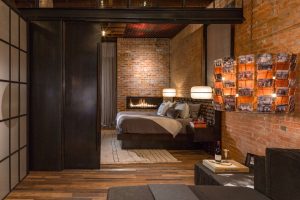
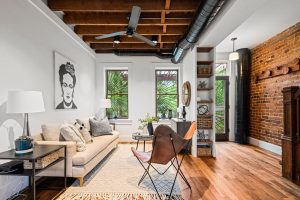
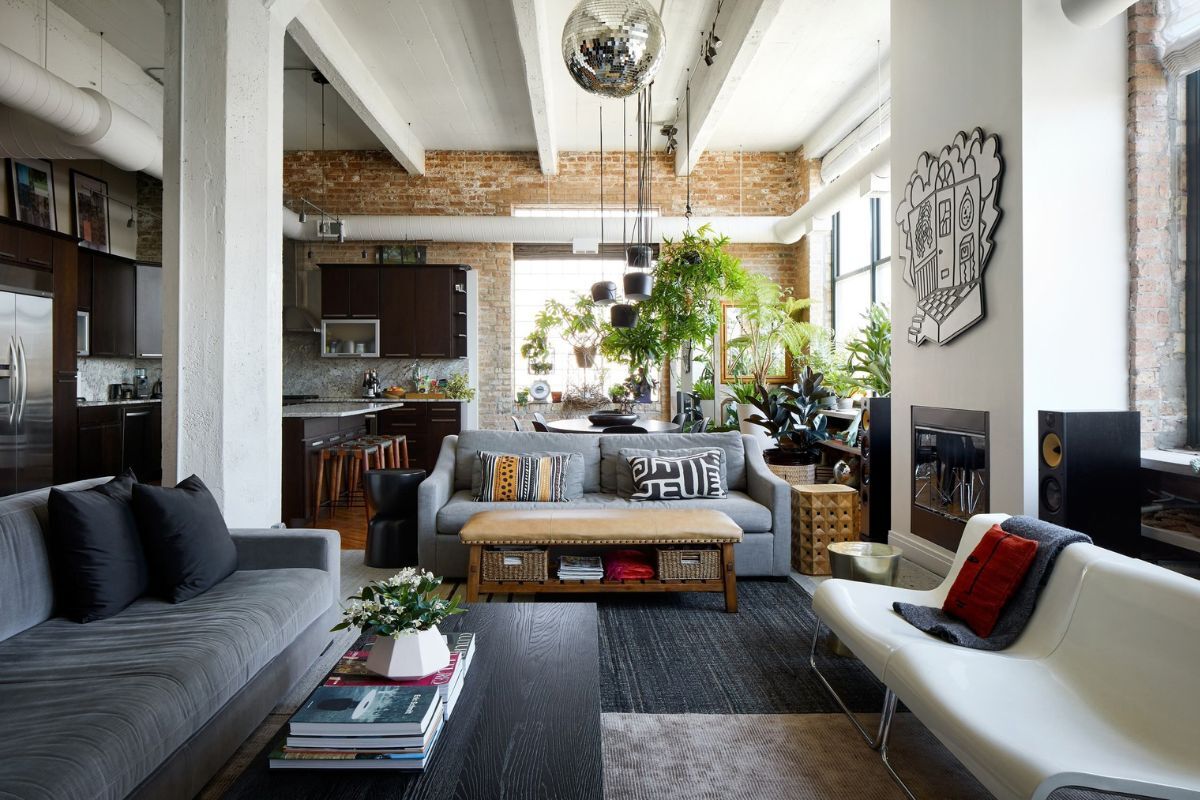
The urban industrial look is characterized by its use of raw, unfinished materials and structural features that highlight the building’s industrial past. Exposed brick walls, metal beams, and concrete floors are common elements that contribute to the industrial aesthetic.
Additionally, reclaimed wood and metal accents are often used to add warmth and depth to the space. The color palette tends to be neutral, with rusts and muted tones adding a touch of warmth to the otherwise cool, industrial feel.
Essential Elements of an Industrial Living Room
To achieve an authentic industrial look in your living room, it’s essential to incorporate key elements that reflect this aesthetic. An industrial living room is characterized by its use of raw, unfinished materials and a focus on functionality.
Raw Materials: Concrete, Metal, and Reclaimed Wood
Raw materials play a crucial role in defining the industrial style. Concrete, metal, and reclaimed wood are staples of this aesthetic, adding a sense of ruggedness and authenticity to the space. For example, a concrete coffee table or metal accent wall can become a focal point in the room. Reclaimed wood, on the other hand, can add warmth and character to the space.
Color Palette: Neutrals, Rusts, and Muted Tones
The color palette in an industrial living room tends to be muted, with a focus on neutrals, rusts, and earthy tones. Shades of gray, beige, and taupe dominate the space, creating a calm and serene atmosphere. Accents of rust and red can add a touch of warmth and depth to the room.
Structural Features: Exposed Beams, Pipes, and Brick
Exposed structural features are a hallmark of industrial design. Leaving beams, pipes, and brick walls exposed can add a sense of authenticity and ruggedness to the space. This can be achieved by removing finishes to reveal the underlying structure or by incorporating these elements into the design.
By incorporating these essential elements, you can create a living room that embodies the industrial style while maintaining a comfortable and inviting atmosphere. The key is to strike a balance between ruggedness and sophistication, resulting in a space that is both stylish and functional.
Furniture Selection for Industrial Living Rooms
Furniture selection is crucial in an industrial living room, where the blend of rugged and refined elements creates a unique space. The right furniture not only complements the industrial aesthetic but also ensures the room remains functional and comfortable.
Statement Seating
Statement seating is a cornerstone of industrial living room design. Leather sofas and metal-frame chairs are popular choices because they embody the industrial spirit. Leather sofas, with their rugged, worn look, add a layer of authenticity, while metal-frame chairs contribute to the urban, edgy feel. Look for pieces with clean lines and minimal ornamentation to maintain the industrial chic look.
When selecting statement seating, consider the quality of the materials and the craftsmanship. A well-made leather sofa, for instance, can be a long-lasting centerpiece for your living room. Metal-frame chairs, on the other hand, can add a touch of sophistication when paired with the right textiles, such as leather or fabric cushions.
Functional Tables
Functional tables in an industrial living room often draw inspiration from work-inspired surfaces. Reclaimed wood, metal, and glass are common materials used to create tables that are both practical and stylish. A wooden coffee table made from reclaimed wood, for example, can add warmth to the space while maintaining the industrial vibe.
When choosing a functional table, consider the size of your room and the other furniture pieces. The table should be proportionate to the seating and not overwhelm the space. Additionally, the material should complement other elements in the room, such as the flooring and walls.
Storage Solutions with Industrial Character
Storage solutions in an industrial living room should reflect the overall aesthetic while providing ample space for belongings. Metal shelving units, reclaimed wood cabinets, and industrial-style chests are excellent choices. These pieces not only offer storage but also contribute to the room’s industrial character.
When selecting storage solutions, think about the balance between openness and enclosure. Exposed shelving can make a room feel more spacious, while enclosed cabinets can hide clutter and maintain a clean look. Mixing both types can create a dynamic and functional space.
Lighting and Accessories to Complete Your Industrial Living Room
The industrial style is all about embracing raw, urban elements, and lighting and accessories are key to pulling the look together. To create a cohesive and inviting industrial living room, it’s crucial to select lighting fixtures and decorative elements that complement the space’s raw, edgy aesthetic.
Factory-Inspired Lighting Fixtures
Factory-inspired lighting fixtures are a staple of industrial design. Exposed bulbs, metal shades, and utilitarian designs evoke the feel of a converted factory or warehouse. Consider using pendant lights made from metal pipes or reclaimed wood to add a touch of industrial chic to your living room. For a more dramatic effect, install a show-stopping chandelier crafted from repurposed industrial materials. With 150 words, we will explore more about factory-inspired lighting fixtures.
Some popular options for factory-inspired lighting include metal pendant lights, exposed bulb fixtures, and sconces made from reclaimed wood or metal. These lighting fixtures not only provide ample lighting but also serve as decorative statement pieces that enhance the industrial ambiance.
Vintage and Repurposed Decorative Elements
Vintage and repurposed decorative elements can add a layer of depth and character to your industrial living room. Look for unique, one-of-a-kind pieces such as vintage signs, antique machinery, or repurposed industrial equipment to display as decorative accents. These elements not only pay homage to the industrial heritage but also introduce a touch of nostalgia and personality to the space. With 125 words, we will discuss the best practices for incorporating vintage and repurposed elements.
When incorporating vintage and repurposed decorative elements, balance is key. Mix these statement pieces with more subdued elements to avoid overwhelming the space. For example, pair a vintage metal sign with a neutral-colored sofa and a reclaimed wood coffee table.
Textiles to Soften the Industrial Edge
While industrial design often celebrates raw, hard materials, incorporating textiles can help soften the space and create a cozier atmosphere. Choose textiles with a rugged, organic feel, such as chunky weaves, linen, or canvas, to complement the industrial aesthetic. Throws, pillows, and rugs in muted, earthy tones can add warmth and texture to your living room. With 125 words, we will explore the best textiles to use.
When selecting textiles, consider the color palette and texture. Opt for natural fibers and muted tones that complement the industrial elements without overpowering them. A chunky throw blanket or a linen sofa can add a cozy touch to your industrial living room.
Creating Balance and Warmth in Industrial Style Spaces
While industrial design is celebrated for its bold, urban vibe, it can also feel cold and uninviting without the right touches. To transform an industrial living room into a cozy and welcoming space, it’s crucial to balance its raw, edgy elements with warmer design aspects.
Mixing Industrial with Other Design Styles
One effective way to add warmth to an industrial style living room is by mixing it with other design styles. Introducing elements of rustic or mid-century modern design can help soften the industrial edge. For instance, adding a plush area rug and a wooden coffee table can bring warmth to a room dominated by metal and concrete.
Combining industrial elements with softer textures and more organic materials not only adds visual interest but also creates a more inviting atmosphere. This blend of styles allows for a more personalized space that reflects a mix of aesthetics.
Common Mistakes to Avoid in Industrial Design
When embracing industrial style, it’s easy to fall into common design traps. One mistake is overdoing it with too many industrial elements, resulting in a space that feels harsh and uninviting. Another error is neglecting to add sufficient lighting, as industrial spaces often have limited natural light.
To avoid these mistakes, balance industrial features with softer elements and ensure adequate lighting through a mix of overhead and table lamps. This approach will help create a more welcoming and comfortable living space.
Conclusion
By incorporating industrial elements into a living room design, homeowners can create a unique and stylish space that combines urban vibes with relaxed appeal. This design aesthetic is perfect for those who want to add a touch of edginess to their home decor.
An industrial living room is characterized by raw materials, exposed structural features, and a neutral color palette. By balancing these elements with comfortable furniture and textiles, you can create a space that is both stylish and inviting.
The key to pulling off an industrial living room is to strike a balance between urban vibes and relaxed appeal. With the right combination of industrial and cozy elements, you can create a space that is perfect for relaxing and entertaining.