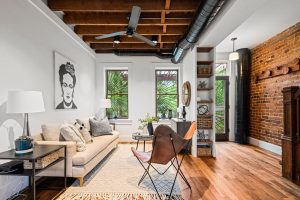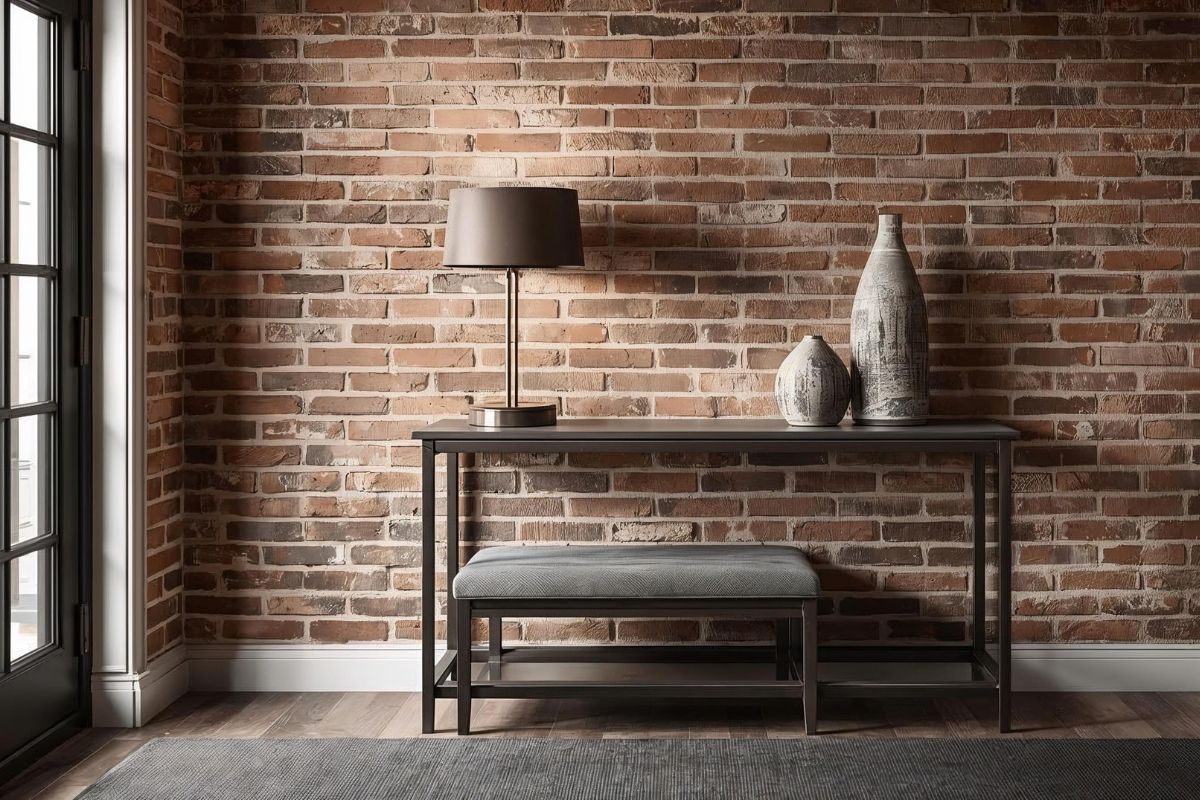
An industrial style entryway combines raw charm with urban functionality. A metal-and-wood bench, a pipe coat rack, an exposed brick wall, a cage pendant, and a vintage locker for shoes create a welcome that feels like stepping into a converted loft. It is a look that is honest about its materials and built to handle the daily traffic of coats, bags, keys, and boots.
Industrial design grew out of factories and warehouses that were turned into homes, and its focus on durability and function makes it a natural fit for the hardest-working space in the house. Whether you have a wide foyer, a narrow hallway, or a door that opens straight into the living room, the ideas in this guide will help you plan, furnish, and style an industrial entryway that is practical every day and full of character.
Key Takeaways
- Industrial entryways pair raw materials like metal, brick, and concrete with warm reclaimed wood.
- Plan the space around three zones: a drop zone, a seating zone, and a storage zone.
- Pipe racks, metal lockers, and wood-and-steel benches combine storage with loft character.
- Concrete, slate, and dark tile floors stand up to mud, water, and heavy traffic.
- Cage pendants, factory sconces, and warm filament bulbs set an inviting mood.
- Textiles, plants, and a few vintage finds keep the hard edges from feeling cold.
What Defines an Industrial Entryway
An industrial entryway is defined less by a single piece of furniture and more by a mix of materials, finishes, and details that recall the working buildings the style came from. Understanding these elements makes it easier to choose pieces that work together.
Raw, Honest Materials
Industrial design celebrates materials in their natural state. Exposed brick, poured concrete, blackened steel, and reclaimed timber are left visible rather than hidden behind paint or trim. In an entryway, these surfaces also happen to be some of the toughest available, so they hold up to scuffs, wet umbrellas, and the constant bumping of bags and strollers.
Imperfection is part of the appeal. Saw marks on a wood bench, a slight patina on a metal hook, or uneven mortar lines in a brick wall all add authenticity. Instead of worrying about every scratch, an industrial entry is designed to look better as it is used.
Function First
Factories were built around efficiency, and the same thinking applies here. Every piece should have a job: a bench for putting on shoes, hooks for coats, a shelf for keys, and a tray or locker for footwear. Decorative items are kept to a minimum and often double as storage, such as a metal crate that holds scarves or a wall-mounted pipe shelf that displays a plant and catches mail.
Balancing Edge and Warmth
A purely industrial space can feel cold and hard, especially in a small entry with little natural light. The most welcoming industrial entryways balance metal and concrete with warm wood, leather, wool, and soft lighting. Think of the look as half workshop and half cozy loft, so guests feel the character of the style without feeling like they have walked into a warehouse.
Planning the Layout
Good planning makes the difference between an entryway that looks great in photos and one that actually works on a busy morning. Before buying furniture, take a few measurements and think about how people move through the space.
Measure the Space
Aim to keep a clear walkway of at least 36 inches between furniture and the opposite wall, and closer to 42 inches if two people often come through the door at once. Make sure the front door can swing fully open without hitting a bench or console. If the entry is tight, choose wall-mounted storage that keeps the floor clear instead of freestanding pieces.
Standard bench seats sit about 17 to 19 inches high, which is comfortable for putting on shoes. Console tables for narrow entries are often 10 to 14 inches deep. Coat hooks for adults are usually mounted around 60 to 66 inches from the floor, while a lower row at 36 to 48 inches makes it easy for children to hang their own bags.
Create Three Zones
Most entryways work best with three zones. The drop zone, closest to the door, holds keys, mail, and sunglasses on a console, shelf, or wall-mounted tray. The seating zone gives you a bench or stool for taking shoes on and off. The storage zone holds coats, bags, and footwear on hooks, racks, or in lockers. Even in a small space, thinking in zones helps you place each item where it will actually be used.
Work With Your Architecture
If your entry already has exposed brick, concrete floors, or visible ductwork, build the design around them. If not, you can borrow the look with brick veneer, concrete-look tile, or black steel-framed glass doors. In open-plan homes where the front door opens into the living area, a metal shelving unit or a slim console with a large rug in front of it can define an entry zone without adding walls.
Furniture and Storage
Industrial furniture is sturdy and simple, usually combining a metal frame with a wood or metal surface. The right pieces give you plenty of storage while setting the tone for the rest of the home.
Benches and Seating
A bench with a black steel frame and a thick reclaimed wood seat is the classic industrial choice. Look for models with a lower shelf or a slatted base, which gives you space for shoes or a pair of baskets. A metal stool or a vintage factory seat works in narrower spaces. Add a leather or wool cushion if you want a softer seat for longer use.
Pipe Racks and Hooks
Pipe-style coat racks made from black iron fittings are one of the most recognizable industrial details. A wall-mounted pipe rail with S-hooks holds coats and bags, while a pipe shelf above it gives you room for hats, gloves, or a small plant. Heavy-duty cast iron hooks screwed into a reclaimed board are another simple option that suits the style and is easy to install.
Lockers and Cabinets
Vintage school or gym lockers bring instant character and hide clutter behind closed doors. Each family member can have their own compartment for shoes, sports gear, or backpacks. New metal lockers in powder-coated black, gray, or deep green are widely available if you cannot find an original. Metal cabinets with wire-mesh or glass doors offer a slightly lighter look.
Consoles and Shelving
A slim console with a wood top and metal legs gives you a landing spot for keys and mail. Add a metal tray or a small wooden box to keep small items from scattering. For more storage, an open metal-and-wood shelving unit can hold baskets, crates, books, and plants, and it works especially well in larger entries or along a hallway wall.
Walls, Floors, and Colors
The surfaces of an entryway set the backdrop for everything else, and industrial style offers plenty of durable, characterful options.
Wall Treatments
An exposed brick wall is the ultimate industrial backdrop. If you do not have original brick, thin brick veneer looks convincing and adds very little depth to the wall. Concrete-effect plaster or limewash creates a softer, cloud-like texture, and a dark charcoal or deep green wall makes metal and wood stand out. Use washable paint in a matte or eggshell finish so scuffs can be wiped away.
Flooring
Polished or sealed concrete is the most iconic industrial floor, and it is extremely durable. Large-format porcelain tile that looks like concrete or slate is easier to install and handles water well. Dark hexagon or penny tiles add a vintage workshop feel. Whatever you choose, add a heavy-duty doormat outside and a washable runner inside to catch dirt before it travels through the house.
Color Palette
Charcoal, black, warm gray, and white form the base of most industrial entries, with browns coming from wood, leather, and brick. Accent colors such as deep green, navy, rust, or mustard can appear on a painted door, a locker, or a runner. Keeping to two metal finishes, for example black steel and aged brass, helps the space feel cohesive.
Lighting and Mirrors
Lighting is often the easiest way to bring industrial character into an entry, and a mirror adds both function and light.
Statement Lighting
A cage pendant, an enamel factory shade, or a cluster of glass globe pendants makes a strong first impression. Keep at least 7 feet of clearance under a hanging fixture so taller guests do not have to duck. In narrow halls, flush-mount cage fixtures or swing-arm wall sconces mounted around 60 to 66 inches from the floor provide light without taking up space.
Filament-style LED bulbs give off a warm, amber glow that softens metal and concrete. Choose a color temperature around 2700K for a welcoming feel, and consider a dimmer or a smart bulb so the entry is never left in the dark when you come home late.
Mirrors
A mirror lets you check your appearance before leaving and makes a small entry feel larger. Round or rectangular mirrors with thin black metal frames suit the style, as do factory-window mirrors with a grid pattern. Above a console, a mirror that is about two-thirds to three-quarters of the console’s width looks balanced. Hang it so its center sits roughly at eye level.
Decor and Finishing Touches
A few carefully chosen accessories turn a functional entry into one that feels personal and welcoming.
Textiles and Rugs
A vintage-style wool runner, a flat-weave rug in muted colors, or a jute mat adds warmth underfoot and absorbs sound bouncing off hard surfaces. A leather or sheepskin cushion on the bench and a wool throw hanging on a hook soften the look further.
Plants and Natural Elements
Greenery brings life to an industrial space. A snake plant or ZZ plant in a concrete or galvanized pot tolerates low light, while a trailing pothos looks great on a pipe shelf. Dried branches in a tall metal vase are a low-maintenance alternative if your entry gets little daylight.
Vintage and Salvaged Finds
Old enamel signs, a factory clock, salvaged metal letters, or a vintage umbrella stand add authentic character. Large black-and-white photographs of city scenes or architecture also suit the look. Choose one or two meaningful pieces rather than covering every wall, so the entry stays calm and uncluttered.
Common Mistakes to Avoid
The most common mistake is making the space too cold. All metal and concrete with no wood, textiles, or warm light can feel uninviting, so always add at least one warm material. Another frequent problem is blocking the walkway with furniture that is too deep, so measure before you buy. Finally, avoid relying on open storage alone. Hooks and shelves look great when tidy, but closed lockers or baskets are what keep everyday clutter out of sight.
Industrial Ideas for Small Entryways
Even a tiny entry or the end of a hallway can carry the industrial look. Mount a pipe rail with hooks and a shelf above it, place a slim metal boot tray below, and hang a round black-framed mirror to reflect light. A wall-mounted fold-down bench or a small metal stool gives you seating without blocking the door.
If the entry opens directly into the living room, use a runner and a narrow console to mark the space, and repeat one material, such as black steel, so the entry connects visually with the rest of the room. A single cage pendant or a pair of wall sconces is often enough to give the area its own identity.
Conclusion
An industrial style entryway combines raw charm with urban functionality. Metal-and-wood furniture, pipe racks, lockers, exposed brick, durable floors, and factory-inspired lighting create a welcome that is both practical and full of loft character.
Plan your layout around clear zones, keep the walkway open, and balance hard surfaces with warm wood, textiles, plants, and soft light. With these elements in place, your entryway will handle the busiest days while giving guests a memorable first impression of your home.
Frequently Asked Questions
More Industrial Style Decor
- Industrial Style: The Exclusive Guide
- Industrial Style Bedroom: Raw Aesthetics and Cozy Comfort
- Industrial Style Living Room: Urban Vibes and Relaxed Appeal
- Industrial Style Kitchen: Functional Design with Urban Edge
- Industrial Style Bathroom: Utilitarian Elegance and Modern Flair
- Industrial Style Dining Room: Harmonizing Urban Edge and Rustic Flair