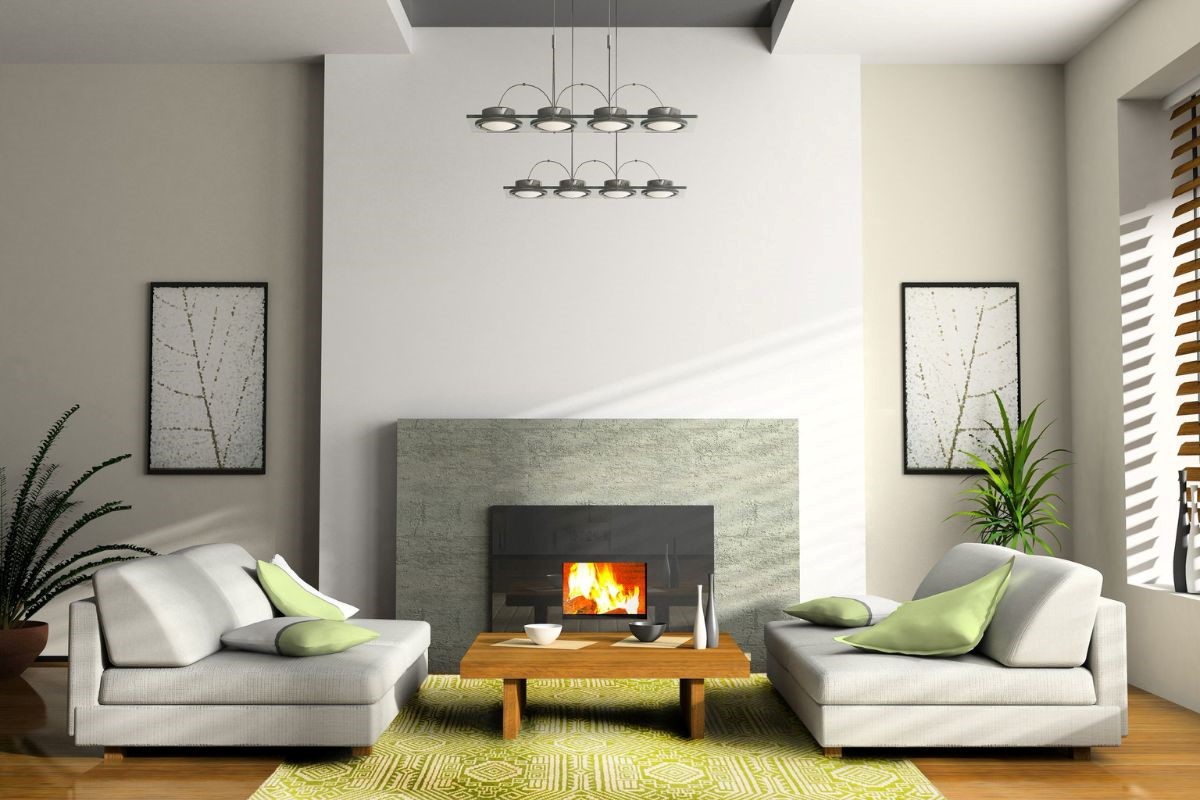
Picture a modern living room on a bright afternoon. A long, low sofa in oatmeal wool sits on a pale wool rug, a walnut coffee table with a glass top floats in front of it, and a leather lounge chair angles toward a wall of windows. The walls are warm white, the floor is wide oak, and a single large abstract painting hangs above a slim, flat-fronted media console.
Modern style treats the living room as a place shaped around how people actually live. It grew out of the early 20th century idea that form should follow function, so every piece has a purpose, lines are clean, and there is room to breathe. The best modern living rooms balance that clarity with warm materials, soft textiles, and good light so the space feels calm rather than cold.
Key Takeaways
- Modern design is a defined 20th century movement built on function, simplicity, and honest materials.
- Clean lines, open layouts, and a mix of wood, glass, and metal create the look.
- Warm neutrals form the base, with one or two bold accents or a tonal monochrome scheme.
- Low sofas, iconic chairs, and flat-front storage keep the room uncluttered.
- Layered lighting and generous daylight make the room work at every hour.
- A few well-chosen pieces of art and decor carry more weight than many small objects.
What Defines a Modern Living Room
Modern style grew from architects and designers who rejected the heavy ornament of earlier eras in favor of simple geometry and useful objects. In the living room, that philosophy produces open, uncluttered spaces where furniture and architecture do most of the decorating.
Form Follows Function
The phrase, associated with architect Louis Sullivan, sums up the modern approach. A sofa is shaped for comfortable sitting, a shelf for storage, and a lamp for light, with little added decoration. Beauty comes from proportion, material, and craftsmanship rather than carving or trim.
Simplicity and Clean Lines
A modern living room relies on a few strong pieces instead of many decorative ones. Uncluttered surfaces, simple geometric shapes, and plenty of open floor give the room a calm, orderly feel.
Modern Versus Contemporary
The two terms are often confused. Modern refers to a specific movement that began in the early 20th century and peaked with midcentury design, from Le Corbusier and Mies van der Rohe to Charles and Ray Eames. Contemporary simply means the design of the present moment, which changes constantly and often borrows from modernism.
How the Style Has Evolved
Modern living rooms have adapted to new technology and lifestyles, from built-in media walls to open-plan kitchens. Their core principles, function and simplicity, remain the same.
Essential Elements of a Modern Living Room
A handful of elements appear in almost every successful modern living room. Getting these right matters more than any single accessory.
Clean Lines and Open Space
Furniture with straight lines, slim legs, and simple forms keeps the room feeling light. Strip away unnecessary objects and let geometric shapes and negative space define the room.
Open Floor Plans and Flow
Many modern homes join the living room with the kitchen and dining area. This open flow encourages conversation and makes the whole space feel larger, while furniture placement and rugs keep each zone distinct.
Glass and Metal
Glass and metal give a modern room its crisp edge. A glass coffee table keeps sightlines open, chrome or blackened steel furniture frames add precision, and metal lighting adds a quiet sheen.
Natural Wood
Wood warms the cooler materials. Walnut, oak, and teak in furniture, flooring, or a slatted wall panel provide a natural contrast to glass and steel, a balance that defined midcentury modern interiors. Keep wood tones consistent, or pair one light and one dark species, so the room feels unified.
Color Palettes for Modern Living Rooms
Color sets the mood of a modern living room. Most schemes start neutral and add contrast or depth with care.
Neutral Base Colors
White, warm beige, greige, and soft gray create a calm, flexible backdrop. Warm undertones feel more welcoming than stark, cool whites, especially in rooms with less daylight. A neutral base makes it easy to add art and accent colors without overwhelming the space.
Bold Accent Colors
One or two bold accents bring energy. Emerald green, navy, mustard, and rust work well on a single armchair, a rug, cushions, or a piece of art. Repeat each accent two or three times across the room so it feels planned.
Monochrome Schemes
A monochromatic scheme uses several shades of one color, such as layered grays or warm tans, for a sophisticated, cohesive look. Varying the depth of the color from walls to sofa to rug creates interest while keeping the room calm. Try pale stone walls, a mushroom sofa, and a deep cocoa rug, or a set of soft blue-grays that move from wall to curtain to upholstery. Always test paint samples on several walls, since daylight changes how a color reads through the day.
Depth Through Texture
Texture matters as much as color in a pared-back room. Mixing smooth lacquer or glass with rough wood, nubby wool, and soft leather keeps a neutral palette from feeling flat.
Choosing Modern Living Room Furniture
Furniture defines the modern living room more than any other element. Choose fewer, better pieces with clean silhouettes and comfortable proportions.
Iconic Chairs and Sofas
Modern classics double as functional art. The Eames lounge chair, the Barcelona chair by Mies van der Rohe, and low, track-arm sofas with slim legs all fit the style. One iconic chair beside a simple sofa is often enough to give a room character.
For the sofa itself, look for a low back, a tight or semi-attached seat cushion, and slim arms. Seat depth of around 22 to 24 inches suits most people, and performance wool, leather, or tightly woven linen blends wear well in everyday use.
Modular Seating
Modular sofas can be reconfigured as needs change, making them ideal for open-plan rooms, family living, and movie nights. Choose durable, tightly woven upholstery in a neutral tone.
Coffee and Side Tables
Tables in a modern room are simple and sculptural. A glass-topped table, a round stone or marble top, or a classic like the Noguchi coffee table all suit the style. Keep side tables light in scale and easy to move.
Storage That Stays Minimal
Storage keeps a modern room calm. Low media consoles with flat fronts, built-in shelving with closed lower cabinets, and storage ottomans keep clutter out of sight while maintaining clean lines.
Modern Living Room Layout Ideas
A good layout balances good looks with comfort and easy movement. Start with the room’s dimensions, the number of people who use it, and what they do there.
Creating Conversation Areas
Arrange seating in a U-shape or facing pairs so people can talk without shouting across the room. Keep seats within about 8 to 10 feet of each other.
Balancing Form and Function
Every piece should earn its place. A storage ottoman serves as footrest, extra seat, and blanket store, while a nesting set of side tables expands for guests.
Traffic Flow and Zoning
Plan clear paths at least 30 to 36 inches wide that skirt the seating area instead of cutting through it. In open plans, define zones with:
- A large rug that anchors the seating group.
- Different lighting for living, dining, and work areas.
- A sofa back or low console as a soft divider.
- A subtle change in flooring material between zones.
Placing the Television
In a modern room, the television should not dominate. Mount it at seated eye level, ideally on a wall without a major window opposite to avoid glare, and keep cables hidden inside the wall or a slim raceway. A low, long media console beneath it adds storage and visual balance. Some designers frame the screen with a wall of open and closed shelving so it reads as part of a composition rather than a black rectangle.
Lighting Design for Modern Living Spaces
Lighting shapes how a modern living room feels day and night. Plan it as carefully as the furniture.
Statement Fixtures
A sculptural pendant, a sleek arc floor lamp, or a classic like George Nelson’s Bubble lamp can anchor the room and act as functional art.
Layering Ambient, Task, and Accent Light
Combine ambient light from recessed fixtures or a central pendant, task light from floor and table lamps by seating, and accent light that washes walls or highlights art and shelves. Dimmers and warm bulbs around 2700K to 3000K keep the room comfortable in the evening. Aim for light at several heights, from floor lamps and table lamps to ceiling fixtures and wall washers, so the room never relies on a single overhead source.
Making the Most of Daylight
Large windows, skylights, and well-placed mirrors amplify natural light and make the room feel bigger. Keep window treatments simple, with sheer panels, roller shades, or slim drapery that stacks clear of the glass.
Arrange seating to take advantage of the light and the view, and avoid blocking windows with tall furniture.
Decorative Elements for the Modern Living Room
Decor in a modern room is edited and intentional. Each piece should have room to be seen.
Art Selection and Placement
Choose art that suits the room’s palette and scale. A large abstract canvas or photograph above the sofa often works better than several small pieces. Hang art so its center sits roughly at eye level.
Gallery Walls Versus Statement Pieces
A single statement piece creates a strong focal point and suits the minimal spirit of the style. A gallery wall can work too if frames match and spacing is consistent, giving it a grid-like order.
Textiles and Plants
Throws, cushions, and rugs in wool, linen, and bouclé add warmth and texture. Easy-care plants, such as a fiddle leaf fig, snake plant, or olive tree, bring life to the room and soften hard lines.
The rug deserves special attention. Choose one large enough for at least the front legs of all seating to rest on it, often 8 by 10 feet or 9 by 12 feet in a typical living room. Flat-woven wool, low-pile solids, and subtle geometric patterns suit the style best.
Accessories With Impact
Keep accessories few and sculptural: a ceramic vase, a stack of art books, or a geometric sculpture. Group objects in odd numbers and leave clear surfaces between groupings.
Keeping a Modern Living Room Warm
The most common complaint about modern rooms is that they feel cold. A few choices keep the clean look while making the space welcoming.
Mix Hard and Soft
Balance glass, steel, and stone with plenty of soft surfaces. A wool rug, linen curtains, a bouclé or leather chair, and a couple of textured cushions absorb sound and invite people to sit down.
Favor Warm Woods and Metals
Walnut, teak, and white oak bring warmth that pale, cool finishes cannot. Brass, bronze, and blackened steel feel softer than polished chrome when used for lamps and hardware.
Add Personal Touches
Books, a few travel finds, and family photos in simple frames keep the room from looking like a showroom. Display them in small, edited groups on shelves rather than spreading them across every surface.
Budget-Friendly Modern Living Room Updates
A modern look does not require a full renovation. A few focused changes can make a big difference.
High-Impact, Low-Cost Updates
Repaint walls in a warm white or soft gray to create a clean backdrop. Replace dated light fixtures with a simple pendant or arc lamp. Clear surfaces and remove extra furniture, since editing is free and very modern.
DIY Projects
Sew or recover cushions in solid, textured fabrics, paint an old side table in matte black, or swap ornate hardware on storage pieces for simple pulls. Removable slipcovers in a tailored fit can update a dated sofa, and a coat of paint on a bookcase interior adds a quiet accent color.
Where to Splurge and Where to Save
Invest in the pieces used most and seen first: the sofa, a well-made coffee table, or one iconic chair.
Save on side tables, decorative accessories, and throws, which are easy to swap later. Secondhand and vintage shops are also good sources for authentic midcentury pieces.
Conclusion
A modern living room combines clean lines, open space, and honest materials with comfortable furniture and layered light. A neutral palette with thoughtful accents, a few iconic or well-made pieces, and careful editing create a room that is both calm and inviting.
Start with layout and the main seating, then build out with lighting, art, and texture. Keep only what is useful or loved, and the room will feel timeless and easy to live in for years.
Frequently Asked Questions
More Modern Style Decor
- Modern Style: The Comprehensive Guide
- Modern Style Bedroom: Embracing Clean Lines and Comfort
- Modern Style Kitchen: The Art of Streamlined Culinary Spaces
- Modern Style Bathroom: A Tranquil Retreat with Contemporary Touches
- Modern Style Dining Room: A Sophisticated Dining Experience