

The Scandinavian approach to interior design is renowned for its emphasis on minimalism, functionality, and coziness, creating a unique blend that makes a living space feel both serene and inviting.
Characterized by clean lines, minimal ornamentation, and an emphasis on functionality, Scandinavian design principles can transform a room into a haven of comfort and elegance.
By incorporating elements such as natural textures, soft lighting, and a neutral color palette, homeowners can achieve a cozy and minimalist aesthetic that is quintessentially Scandinavian.
Key Takeaways
- Understand the core principles of Scandinavian design.
- Learn how to incorporate minimalist elements into your living space.
- Discover the importance of natural textures and soft lighting in creating a cozy atmosphere.
- Explore how a neutral color palette can enhance the sense of calm in a room.
- Find out how to balance functionality with aesthetic appeal in your living room.
The Scandinavian design philosophy is rooted in the principles of simplicity, functionality, and an appreciation for natural beauty. This design ethos, born out of the Nordic countries, has become a global phenomenon, influencing interior design with its minimalist yet cozy approach.

Key Principles: Simplicity, Functionality, and Beauty
Simplicity is about clean lines and minimal ornamentation. Functionality ensures that every piece serves a purpose. Beauty is derived from the use of natural materials and a thoughtful color palette, creating a harmonious and welcoming space.
Historical Context and Modern Relevance
Historically, Scandinavian design emerged as a response to the harsh Nordic climate, emphasizing warmth and comfort. Today, it remains relevant as a design choice that promotes sustainability and well-being.
Benefits for American Homes
Adopting Scandinavian design principles can transform American homes by introducing a more minimalist, functional, and sustainable living space. It’s about creating a home that’s not just aesthetically pleasing but also comfortable and environmentally conscious.
By embracing Scandinavian design, homeowners can enjoy a unique blend of style, comfort, and functionality, making it an attractive choice for modern living.
To achieve a cozy and functional Scandinavian living room, it’s essential to plan your transformation carefully, considering both budget and timeline. A well-planned approach ensures that your renovation aligns with the principles of Scandinavian design, focusing on simplicity, functionality, and beauty.

Assessing Your Current Space
Begin by evaluating your living room’s current state. Consider the layout, lighting, and existing furniture. Identify elements that can be repurposed or reused in your new design. This assessment will help you understand what needs to be changed or updated to achieve the Scandinavian look.
Setting a Realistic Budget
Establishing a budget is crucial for any home renovation project. For a Scandinavian living room transformation, consider costs associated with furniture, lighting, textiles, and any necessary construction or painting. Allocate funds accordingly to stay within your budget.
Creating a Project Timeline
A project timeline helps you stay organized and focused. Break down your renovation into manageable tasks, and schedule them accordingly.
Quick Weekend Updates
For minor updates, consider tasks that can be completed over a weekend, such as decluttering, rearranging furniture, or adding new textiles.
Long-Term Renovation Plans
More extensive renovations may require several weeks or months. Plan for contingencies and allow flexibility in your timeline to accommodate unexpected delays.
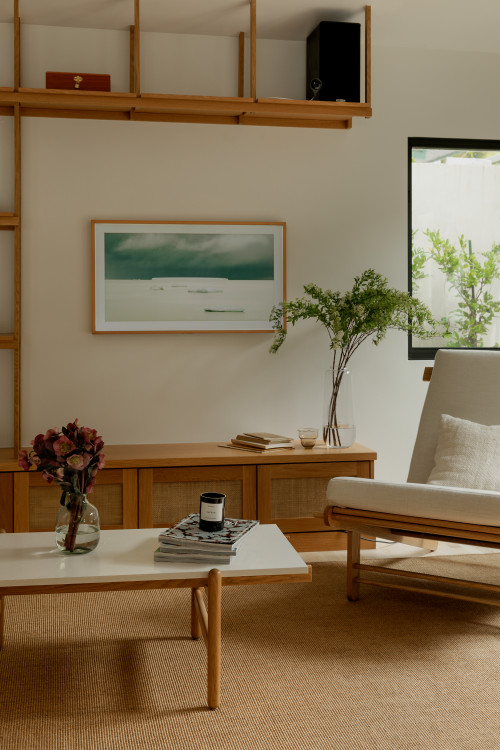
Neutral colors and thoughtful accents define the Scandinavian color palette, bringing warmth and coziness to a room. This palette is fundamental to achieving the Scandinavian look, which is characterized by simplicity, functionality, and a connection to nature.
Working with Whites and Neutrals
Whites and neutrals form the foundation of a Scandinavian color scheme. These colors help to create a sense of brightness and openness, making rooms feel larger and more airy.
Best Paint Colors and Finishes
For a Scandinavian-inspired living room, consider using soft white or light gray paint colors. Matte or flat finishes are preferred as they reduce glare and add to the cozy ambiance.
Incorporating Accent Colors
While the base palette is neutral, Scandinavian design isn’t afraid to incorporate accent colors to add visual interest. Blues, greens, and muted earth tones can be introduced through textiles, artwork, or decorative accessories.
Balancing Wood Tones and Textures
Wood tones play a significant role in Scandinavian design, adding warmth and texture to a room. Balancing different wood tones with the neutral color palette is key to creating a harmonious and inviting space.
The heart of a Scandinavian living room lies in its furniture, which combines simplicity with comfort. To achieve this balance, it’s crucial to select pieces that are both functional and aesthetically pleasing.

Selecting Statement Seating
Statement seating is a cornerstone of Scandinavian design, often featuring clean lines, minimal ornamentation, and a focus on comfort. Look for sofas and armchairs with sleek, low-profile designs and high-quality upholstery.
Storage Solutions that Maintain Minimalism
Storage is essential in maintaining the minimalist ethos of Scandinavian design. Opt for furniture pieces with built-in storage, such as storage ottomans or coffee tables with storage compartments.
Space-Saving Multifunctional Pieces
Multifunctional furniture is a hallmark of Scandinavian design, serving more than one purpose while minimizing clutter. Consider pieces like a storage console table that doubles as a desk or a murphy bed for small spaces.
Budget-Friendly Options
For those on a budget, consider affordable options like IKEA’s range of Scandinavian-inspired furniture. Look for simple, functional pieces that can be mixed and matched to create a cohesive look.
Investment Pieces Worth the Splurge
For investment pieces, consider high-quality brands known for their Scandinavian design heritage, such as Fritz Hansen or Westnofa. These pieces may come with a higher price tag but offer durability and timeless style.
In Scandinavian design, lighting is not just about illumination; it’s about creating a cozy atmosphere. This is achieved through a combination of maximizing natural light, creating a layered lighting plan, and selecting fixtures that embody Scandinavian appeal.

Maximizing Natural Light
Natural light is a cornerstone of Scandinavian design. To maximize it, use sheer curtains or blinds that allow sunlight to filter in while maintaining privacy. Positioning mirrors opposite windows can also help reflect natural light deeper into the room.
Creating a Layered Lighting Plan
A layered lighting plan involves combining different light sources to create a versatile and inviting atmosphere. This includes ambient, task, and accent lighting.
Ambient Lighting Solutions
Ambient lighting provides overall illumination. Use ceiling fixtures or table lamps with soft shades to create a warm glow.
Task and Accent Lighting
Task lighting is focused on specific areas, such as reading lamps, while accent lighting highlights particular features, like artwork or architectural details.
Scandinavian lighting fixtures are known for their simplicity and functionality. Look for designs that are minimalist, often featuring clean lines and natural materials like wood or metal.
Adding Warmth and Texture: The Hygge Element
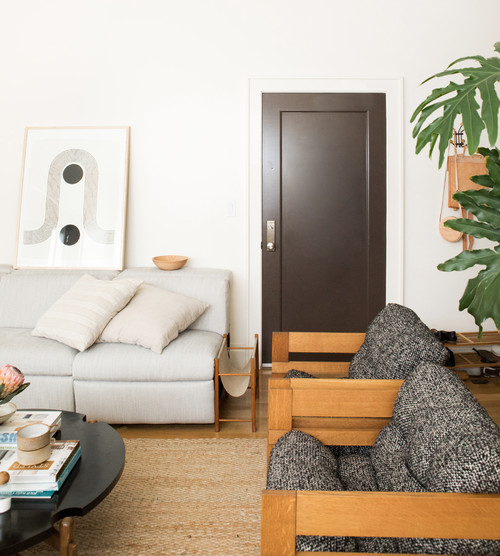
The essence of Scandinavian living rooms lies in their ability to balance minimalism with hygge, or coziness. Hygge is a fundamental concept that transforms a space into a warm and inviting home.
Textile Selection and Layering
Textiles play a crucial role in creating hygge. Throws, blankets, and pillows in soft, natural materials like wool and cotton add warmth and texture. Layering these textiles creates a cozy atmosphere, making your living room inviting.
Incorporating Natural Elements
Incorporating natural elements such as wood, plants, and stone enhances the hygge feel. These elements bring warmth and a sense of connection to nature indoors.
Thoughtful Accessorizing
Accessorizing thoughtfully is key to maintaining the balance between minimalism and coziness. Carefully selected items can add personality to your space.
Artwork and Wall Decor
Artwork and wall decor should be chosen for their ability to add warmth without cluttering the space. Scandinavian designs often feature minimalist art that complements the natural beauty of the surroundings.
Plants and Greenery
Plants are not only natural air purifiers but also add a touch of hygge. Incorporating greenery into your living room can be as simple as placing a few potted plants on a shelf or coffee table.
Conclusion
Embracing Scandinavian simplicity in your living room can transform your space into a haven of minimalist living and cozy decor. By incorporating the principles outlined in this article, you can create a room that exudes functionality and beauty.
The key to Scandinavian design lies in its emphasis on simplicity, functionality, and coziness. By adopting a neutral color palette, selecting multifunctional furniture, and mastering layered lighting, you can achieve a space that is both calming and inviting.
As you embark on your Scandinavian living room transformation, remember to balance minimalism with warmth and texture. Incorporate natural elements, thoughtful textiles, and cozy accessories to create a hygge atmosphere that makes you feel at home.
By living with Scandinavian simplicity, you’ll not only enhance the aesthetic of your living room but also cultivate a more serene and peaceful living environment. Start your journey today and experience the benefits of this timeless design philosophy.
Frequently Asked Questions
- Scandinavian Style: The Absolute Guide
- Scandinavian Style Bedroom: Simplicity and Serenity in Sleep Spaces


