Picture a Scandinavian room on a gray winter afternoon. Pale oak floorboards run toward a tall window left almost bare, white walls bounce every bit of daylight around the space, and a low sofa in oatmeal wool sits beside a wooden lounge chair draped with a sheepskin. A paper pendant glows over a round table, a few candles flicker on the windowsill, and nothing in the room feels like it is there just for show.
Scandinavian style grew out of long, dark winters, a deep respect for craft, and a belief that good design should be available to everyone. It pairs simple, clean-lined furniture with natural materials, light colors, and soft textiles, so rooms feel bright and orderly but never cold. This guide covers where the style came from, the principles behind it, and how to bring it into every room of the home.
Key Takeaways
- Scandinavian style balances simplicity and function with genuine warmth and comfort.
- The Danish idea of hygge and the Swedish idea of lagom shape how rooms feel and how much goes into them.
- A palette of warm whites, soft grays, and pale wood keeps interiors bright through dark seasons.
- Classic Nordic furniture favors honest materials, clean lines, and careful joinery.
- Layered, low-glare lighting matters as much as daylight.
- Wool, linen, sheepskin, and natural fibers stop minimalism from feeling sterile.
Scandinavia strictly means Denmark, Norway, and Sweden, though the design tradition usually includes Finland and Iceland as well. The look we now call Scandinavian took shape in the early and mid 20th century, when designers across the region set out to make beautiful, practical things for ordinary homes.
Climate, Craft, and Modest Living
Nordic winters are long, and in the far north the sun barely rises for weeks. Homes needed to feel bright and warm through those months, which is why light walls, pale floors, and lots of lamps became so central. A rural tradition of woodworking and weaving also left a strong craft culture, and a general dislike of showiness kept interiors modest and useful.
Earlier influences played a part too. The 18th century Gustavian style in Sweden introduced pale painted furniture and soft gray-blue tones, and the painter Carl Larsson’s watercolors of his light-filled family home in Sundborn helped popularize relaxed, cheerful interiors around 1900. By the 1950s, Scandinavian modern furniture was being exhibited internationally and admired for its blend of craft and modern form.
Hygge and Lagom
Two words sum up the mood of the style. Hygge, a Danish and Norwegian concept, describes the cozy contentment of candlelight, warm drinks, soft blankets, and time with people you like. Lagom, a Swedish word, means roughly “just the right amount.” Together they explain why Scandinavian rooms feel pared back without being bare: there is enough to be comfortable, and nothing more.
In practice, hygge shows up as a window seat with a sheepskin, a cluster of candles on the dining table, and a reading corner with a lamp and a stack of books. Lagom shows up in the editing: one good rug instead of three, a few well-chosen objects on a shelf, and furniture sized to the room.
Behind the pale wood and white walls sit a few clear ideas. Understanding them makes it easier to judge any piece of furniture or decor on its own merits.
Function First
Scandinavian design starts with use. A chair should be comfortable to sit in for hours, a table should be the right height, and storage should keep everyday clutter out of sight. Decoration comes from the material and the form itself rather than from applied ornament.
Nature Indoors
Wood, wool, leather, linen, stone, and plants appear in nearly every Scandinavian room. These materials connect the home to the forests, coastlines, and lakes that shape life in the region, and they age well with use. Visible grain, a slightly irregular weave, or a handmade glaze is welcome.
Clean Lines and Quiet Shapes
Furniture tends toward simple silhouettes, tapered legs, gentle curves, and modest proportions. Pieces often look light, with space visible beneath them, which keeps rooms feeling open even when they are small.
Design for Everyday Life
The style has a democratic streak. Many celebrated Nordic designers wanted good design in ordinary homes, not just in museums. That idea still holds: a Scandinavian room should feel lived in, practical for families, and easy to keep tidy.
Color is used to make the most of limited daylight. Light surfaces reflect sun deep into a room, while warmer neutrals and a few soft accents stop the scheme from looking clinical.
Light Neutrals as the Base
Warm white, soft white, pale gray, and light greige cover most walls and ceilings. A slightly warm white usually works better than a stark, blue-toned one, especially in north-facing rooms where cool light can make walls look gray. Pale oak, ash, birch, or pine floors complete the base, and white-painted floorboards are a classic Nordic choice.
Muted Accents
Accents are soft and drawn from nature: dusty blue, sage, moss green, ochre, rust, blush, and charcoal. They tend to appear in cushions, a rug, a painted chair, or one feature wall rather than everywhere at once. A pale room with sage cushions and a rust throw, or white walls with dusty blue textiles and black accents, shows the restrained approach.
Tonal Layering and Black Accents
Many Scandinavian rooms are built from several shades of the same color, such as white, cream, oatmeal, and light gray. Black is the usual way to add definition: thin black lamp bases, picture frames, window frames, or chair legs give the eye a crisp line against all that light.
Furniture, Materials, and Decor
Scandinavian furniture is where the style’s reputation was made. Simple forms, solid materials, and expert joinery give pieces a calm presence that suits almost any room.
Classic Designers and Iconic Pieces
Several mid-century designs still define the look. Hans Wegner’s Wishbone Chair, with its steam-bent back and woven paper cord seat, and Arne Jacobsen’s sculptural Egg Chair are two of the best known. Finnish architect Alvar Aalto pioneered bent plywood and laminated birch in pieces such as his three-legged stacking stool and the Paimio chair, and Børge Mogensen’s sturdy oak and leather furniture shows the more rustic, durable side of Danish design. Original or licensed versions of these pieces are investments, but their influence appears in countless simpler designs.
Wood, Leather, and Natural Surfaces
Light woods such as oak, beech, ash, and birch dominate, often with an oiled, soaped, or matte lacquered finish that keeps the grain visible. Teak and walnut belong to the mid-century strand of the style and add warmth. Natural leather, cane, paper cord, and wool upholstery complete the material mix.
Accessories and Art
Decor is kept to objects that are useful or genuinely loved. Typical choices include:
- Handmade ceramics, glass vases, and wooden bowls grouped in small numbers.
- Simple graphic prints, botanical art, or black-and-white photography in thin frames.
- Candleholders in brass, iron, or wood for the hygge factor.
- Trailing or sculptural plants, branches in a vase, and dried grasses.
When daylight lasts only a few hours in winter, lighting becomes part of the architecture. Scandinavian homes are lit in layers, with many small pools of warm light rather than one bright ceiling fixture.
Making the Most of Daylight
Windows are kept as clear as possible. Sheer linen curtains, simple roller blinds, or no window treatment at all let light reach the back of the room. Light walls, pale floors, and a mirror opposite a window spread daylight further.
Layered, Glare-Free Light
A typical room combines a pendant over the table, a floor lamp beside the sofa, table lamps on side tables or windowsills, and candles. Shades are designed to hide the bulb and soften the light. Warm bulbs around 2700K and dimmers keep evenings relaxed.
Iconic Nordic Lamps
Danish designer Poul Henningsen developed his multi-shade PH lamps in the 1920s specifically to give soft, glare-free light, and the layered PH5 pendant from 1958 is still one of the most recognizable Scandinavian fixtures. Wooden veneer pendants, opal glass globes, paper shades, and simple metal task lamps follow the same thinking.
The same principles apply throughout the home, adjusted to each room’s job. A few room-specific choices make the difference between a generic white room and a genuinely Nordic one.
Living Room
Start with a comfortable sofa in wool, linen, or a soft weave, then add a wooden lounge chair, a low coffee table in oak or ash, and a large wool or jute rug to define the seating area. Arrange seating for conversation rather than facing the television, and keep clear paths through the room. A low media unit with closed doors hides cables and devices.
Bedroom
A wooden or upholstered bed with a simple headboard, white or stone linen bedding, and a wool throw set the tone. Wall-mounted reading lights or small ceramic lamps free up nightstand space, and a wardrobe with plain fronts keeps clothes out of sight.
Kitchen and Dining Room
Flat-panel cabinets in white, light gray, or pale wood, wood or light stone worktops, and open shelves for everyday dishes suit the style. A solid wood dining table with spindle-back or bentwood chairs and a pendant hung low over the table create the classic Nordic dining scene.
Bathroom
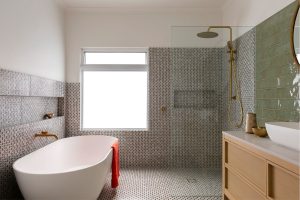
White tiles, a wood vanity or shelf, matte black or brushed fittings, and linen or waffle towels keep the bathroom simple and warm. A teak bath mat and a plant on the windowsill add natural texture.
Textiles and Soft Furnishings
Textiles are what make a Scandinavian room feel inviting. Without them, the light palette and simple furniture can tip into chilly minimalism.
Natural Fibers
Wool, linen, cotton, and sheepskin are the core materials. Wool throws and rugs give warmth, linen curtains and bedding soften light and line, and sheepskins draped over chairs or benches add instant comfort. Choose textiles with visible texture such as bouclé, waffle weaves, chunky knits, and slubby linen.
Pattern With Restraint
Pattern appears in small doses: a striped rag rug, a geometric cushion, simple checks, or a botanical print on curtains. Traditional Nordic textiles, including woven wool rugs and Sámi-inspired motifs, can add character when used once or twice in a room.
Changing With the Seasons
Many Scandinavian households swap textiles through the year. Sheepskins, heavy wool throws, and thicker rugs come out in autumn and winter, while lighter linen, cotton, and bare floorboards take over in spring and summer. This keeps the same room comfortable in very different conditions.
Scandinavian design mixes well with other styles because its foundation is so calm. The key is keeping one style dominant and borrowing selectively from the other.
Exposed brick, concrete, black metal, and reclaimed wood pair well with pale Nordic furniture. The industrial elements add edge, while light walls, wool textiles, and warm wood keep the space from feeling hard.
Adding vintage rugs, rattan, macramé, and more plants to a Scandinavian base creates a relaxed, layered look. Keep the walls light and the furniture simple so the extra pattern and texture do not become cluttered.
Japandi blends Nordic warmth with Japanese restraint, introducing darker woods, lower furniture, and earthier colors. Modern Scandinavian interiors go another way, using deeper accent walls, mixed metals, and contemporary shapes while keeping the light, functional core.
Many Nordic homes are compact city apartments, so the style has plenty of tricks for making limited space work hard.
Keep Furniture Light on Its Feet
Choose sofas, beds, and cabinets raised on slim legs so the floor stays visible beneath them. Round or oval tables ease movement in tight dining corners, and armless chairs or stools tuck away easily. Wall-mounted shelves and desks free up floor space while keeping the look clean.
Make Every Piece Work Twice
A storage bench in the hallway, a daybed that doubles as a guest bed, an extendable dining table, and nesting side tables all reflect the practical side of Nordic design. Pegboards and peg rails, long used in Scandinavian homes, hold coats, bags, and even chairs off the floor.
Use Light and Color to Open the Room
Paint walls and ceiling in the same soft white to blur the edges of the room, and hang curtains close to the ceiling to make windows look taller. A large mirror and a pale rug help the space feel airier, while one darker accent, such as a charcoal chair or black lamp, keeps it grounded.
Because the style values simplicity and fewer possessions, it is one of the more affordable looks to achieve. Most of the effect comes from paint, light, and editing.
Start With Paint and Editing
Clearing surfaces and repainting walls in a warm white makes the biggest single difference. Remove extra decor, store what you do not use daily in closed cabinets, and let a few good pieces stand out.
Secondhand and DIY
Secondhand markets are full of mid-century and Nordic-inspired wooden furniture, often solidly built. Sanding and oiling an old pine table, painting a thrifted chair, sewing linen cushion covers, or making a branch arrangement are all simple, low-cost projects that suit the style.
Where to Spend and Where to Save
Spend on the pieces used every day, such as the sofa, mattress, dining chairs, and a good rug, since quality there affects comfort for years. Save on accessories, frames, plants, and textiles that can be updated as tastes change.
The look appears simple, which is exactly why it is easy to get slightly wrong. A few mistakes come up again and again.
Too Cold, Not Enough Texture
An all-white room with gray furniture and no wood or textiles can feel like a waiting room. Add warm wood, wool, linen, and a few softly colored accents to bring the space back to life.
Mistaking Bare for Minimal
Scandinavian minimalism is about fewer, better things, not empty rooms. A home with no books, art, plants, or personal objects lacks the warmth that defines the style.
Relying on One Overhead Light
A single ceiling fixture leaves corners dark and casts flat light. Add at least two or three lamps at different heights, plus candles, to create the soft, layered glow that makes Nordic rooms so inviting.
Buying a Matching Set
Filling a room with one matching suite of furniture can look flat and showroom-like. Scandinavian rooms usually mix pieces: an oak table with painted chairs, a vintage teak sideboard beside a modern sofa, or a leather armchair next to a linen one. The common thread is quality and simplicity, not an identical finish.
Ignoring Storage
Open shelving and clean surfaces only work if clutter has somewhere to go. Plan closed storage, baskets, and hooks before adding decor.
Conclusion
Scandinavian style lasts because it is built on sensible ideas: make the most of daylight, choose useful and well-made furniture, use natural materials, and make rooms comfortable enough to enjoy through long, dark evenings. Its light palette and clean lines suit small apartments and family homes alike.
Start with warm white walls, pale wood, and good lighting, then add wool, linen, and a few meaningful objects. The result is a home that feels calm, practical, and welcoming every day of the year.
Frequently Asked Questions
- Scandinavian Style Bedroom: Simplicity and Serenity in Sleep Spaces
- Scandinavian Style Living Room: Cozy Minimalism and Functional Comfort
- Scandinavian Style Bathroom: Tranquil Elegance and Functional Beauty
- Scandinavian Style Dining Room: Functional Charm and Simple Elegance
- Scandinavian Style Entryway: Bright and Inviting with Natural Touches