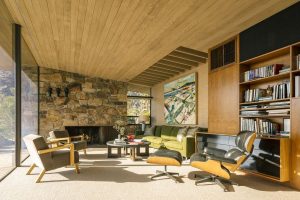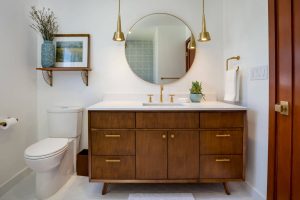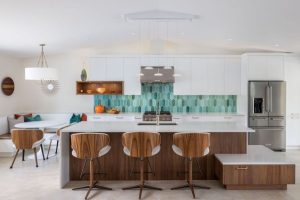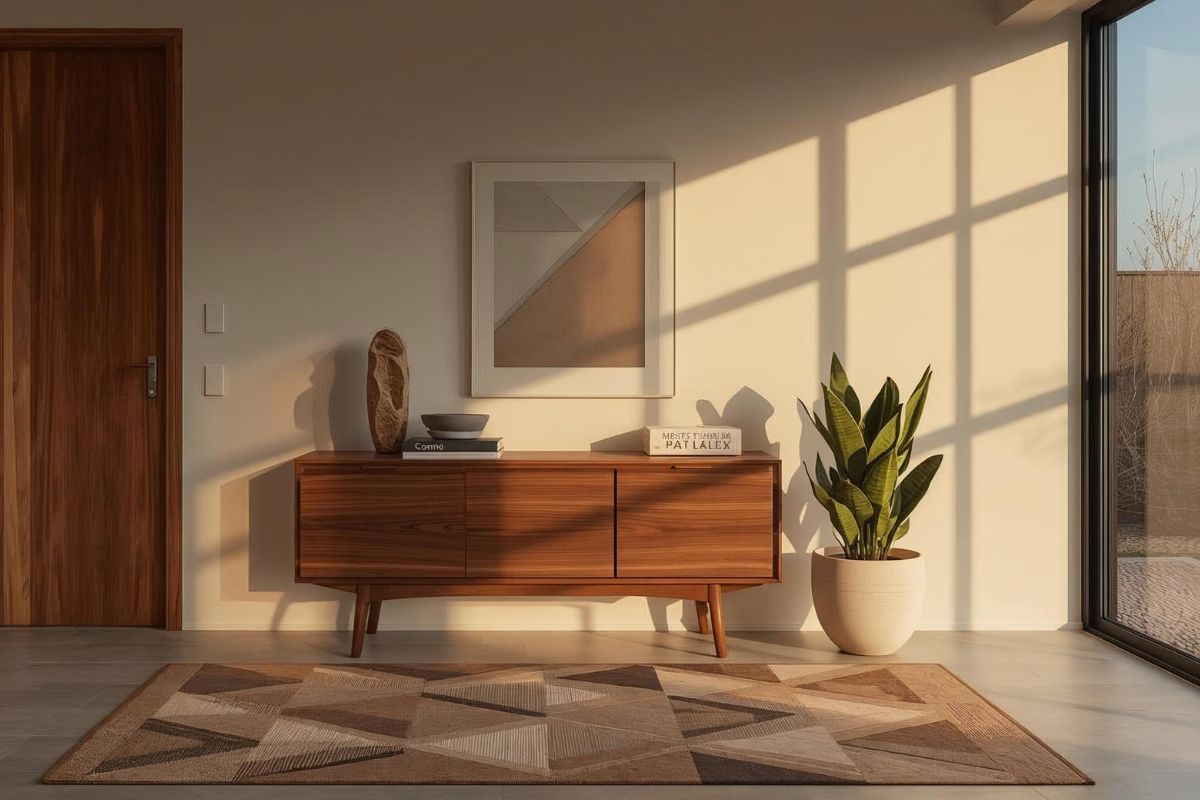
A mid-century modern style entryway offers an iconic welcome with timeless design. A walnut credenza on tapered legs, a sunburst mirror, a globe pendant, a geometric runner, and a pop of mustard or teal create a first impression that feels both retro and fresh. The look is clean and uncluttered, yet full of warmth and personality.
Mid-century modern design, which flourished from the mid-1940s to around 1970, values clean lines, organic curves, warm woods, and honest function. Those qualities make it ideal for an entryway, where every piece needs to be practical and every surface is seen up close. This guide covers the key features of the style, how to plan your entry, and the furniture, materials, lighting, and decor that bring the look together.
Key Takeaways
- Mid-century modern entryways combine clean lines, warm woods, and organic shapes.
- Low credenzas and floating consoles on tapered legs provide stylish storage.
- Sunburst mirrors and globe or Sputnik lighting act as functional art.
- Walnut, teak, and brass pair with accents of mustard, teal, and orange.
- Geometric patterns on rugs, tiles, or wallpaper add retro character.
- Keeping surfaces clear lets the iconic shapes stand out.
What Defines a Mid-Century Modern Entryway
Mid-century modern style is easy to recognize but can be tricky to get right. Understanding its core ideas helps you choose pieces that feel authentic rather than themed.
Form Follows Function
Mid-century designers believed that useful objects should also be beautiful. In an entryway, this means a credenza that stores shoes and looks like a piece of sculpture, or a coat rack whose shape is as striking as it is practical. Decoration comes from form, material, and color rather than ornament.
Warm Wood and Organic Shapes
Walnut, teak, and rosewood bring warmth to the clean lines of the style. Tapered legs, rounded corners, and boomerang or kidney shapes soften the look. These organic curves keep a mid-century entry from feeling cold or overly modern.
Indoor-Outdoor Connection
Mid-century homes often featured large windows, glass doors, and plants that blurred the line between inside and outside. Bringing in natural light and greenery reflects that spirit, even in a small entry.
Planning the Layout
Mid-century furniture tends to be low and long, so plan the space to keep proportions balanced and the walkway clear.
Measure and Leave Room
Keep a clear path of at least 36 inches and make sure the front door opens fully. Credenzas are often 15 to 18 inches deep, so reserve them for wider entries. In narrow halls, a floating console 10 to 12 inches deep or a wall-mounted shelf works better. Benches around 17 to 19 inches high are comfortable for putting on shoes.
Balance Horizontal Lines
Low, horizontal furniture is a hallmark of the style. Balance it with something vertical, such as a tall plant, a floor lamp, or a large mirror, so the wall does not feel empty above the credenza. Hang a mirror or art with its center close to eye level.
Define Zones
Plan a drop zone for keys on the credenza, a seat for shoes, and storage for coats. A wooden bowl or a small ceramic tray keeps keys organized. Hang adult coat hooks around 60 to 66 inches from the floor.
Furniture and Storage
Iconic shapes and practical storage define mid-century entry furniture.
Credenzas and Consoles
A low walnut or teak credenza with sliding doors and tapered legs provides generous hidden storage for shoes, gloves, and bags. In smaller entries, a floating console or a slim table on hairpin legs gives a landing spot for keys and mail. Look for details such as recessed pulls, slatted doors, or contrasting drawer fronts.
Benches and Seating
A slatted wooden bench, a bench with an upholstered seat in mustard or teal, or a molded plastic or plywood chair gives a place to sit. Choose pieces with tapered or splayed legs to keep the look light and open.
Coat Racks and Hooks
Ball-tipped coat racks, colorful wooden hooks inspired by classic designs, or a sleek wall-mounted rack add retro flair. A freestanding coat tree with angled arms makes a sculptural statement in a corner.
Colors, Patterns, and Materials
Mid-century color palettes are warm and confident, built around wood tones with lively accents.
Warm Neutrals and Bold Accents
White, warm gray, or soft beige walls let walnut and teak stand out. Accents of mustard, burnt orange, olive green, teal, and turquoise add retro energy. A front door painted in one of these colors makes a cheerful statement.
Geometric Patterns
Geometric wallpaper, a graphic runner, or terrazzo and patterned tiles bring the era’s love of shape and pattern into the entry. Use pattern on one surface, such as the floor or one wall, and keep the rest simple.
Floors and Walls
Warm wood floors, terrazzo, or simple tile suit the style. Wood slat paneling or grasscloth wallpaper adds texture to plain walls. Choose durable, easy-to-clean surfaces for this high-traffic space.
Mirrors and Lighting
Mirrors and lighting are where mid-century style truly shines.
Statement Mirrors
Sunburst mirrors in brass or wood, round mirrors with thin frames, and starburst designs are iconic choices. Above a credenza, a mirror about two-thirds of its width looks balanced. A mirror also reflects light and makes a small entry feel larger.
Iconic Lighting
Globe pendants, Sputnik chandeliers, bubble lamps, and mushroom-shaped table lamps create a strong retro statement. Keep about 7 feet of clearance under hanging fixtures. A table lamp with a ceramic base on the credenza adds a warm glow, and warm bulbs keep the light flattering and inviting.
Decor and Finishing Touches
Mid-century decor is curated and sculptural. Choose a few strong pieces rather than many small ones.
Plants
A fiddle leaf fig, rubber plant, or snake plant in a ceramic pot on a tapered wooden stand adds height and life. Plants were central to mid-century interiors and help soften clean lines.
Art and Ceramics
Abstract art, vintage travel posters, or graphic prints suit the style. Colorful ceramics, a teak bowl for keys, or a sculptural vase add character. Keep the credenza surface mostly clear so each piece can be appreciated.
Common Mistakes to Avoid
One mistake is turning the entry into a period set with too many retro items. Mix authentic vintage pieces with modern essentials for a fresh look. Another is choosing furniture that is too deep for the space, blocking the walkway. Finally, avoid using too many accent colors at once. Pick one or two and repeat them for a cohesive result.
Mid-Century Ideas for Small Entryways
In a small entry, a floating walnut shelf, a round brass mirror, a few colorful wooden hooks, and a slim bench capture the look without crowding the space. A globe pendant or a small table lamp adds retro flair.
A geometric runner and a single plant complete the welcome. Keeping furniture on legs or mounted to the wall leaves the floor visible, which makes a small entry feel larger.
Budget-Friendly Mid-Century Entryway Ideas
Authentic mid-century furniture can be pricey, but the look is easy to achieve on a budget. Secondhand shops and online marketplaces often have teak or walnut sideboards, small chests, and plant stands from the period. Look for solid construction and tapered legs, and refresh worn wood with teak oil.
Small swaps also go a long way. Replace a plain mirror with a brass sunburst design, add a globe pendant or a mushroom table lamp, and lay a geometric runner. Painting the front door in mustard, teal, or orange is an inexpensive way to announce the style before guests even step inside.
Seasonal Styling
Mid-century entries look best when decor stays minimal, so seasonal changes should be small and deliberate. In spring and summer, a tall branch of flowering cherry or a bowl of citrus on the credenza adds fresh color. In autumn, swap in dried grasses in a ceramic vase and a warm wool throw on the bench. In winter, a simple arrangement of evergreen branches and a few candles in brass holders bring warmth without clutter.
Styling the Credenza Step by Step
The credenza is the heart of a mid-century entry, and a clear method keeps its top from turning into a catchall. Work from the wall outward and from the largest piece to the smallest.
Start With the Anchor
Hang the mirror or artwork first, centered over the credenza with its bottom edge 6 to 10 inches above the surface. This sets the vertical axis for everything else. If you prefer an asymmetrical look, which suits the era well, shift the mirror slightly to one side and balance it with a tall lamp on the other.
Add Height, Then Layers
Place your tallest item, usually a lamp or a vase of branches, at one end. Add a medium piece such as a stack of two design books topped with a small ceramic, then finish with a low tray or bowl for keys near the end closest to the door. Grouping in odd numbers and varying heights creates the relaxed rhythm typical of mid-century rooms.
- Leave at least a third of the surface empty so the wood grain shows.
- Repeat one accent color, such as teal, in two objects for cohesion.
- Hide mail and chargers inside the credenza rather than on top.
Caring for Wood and Brass
An entryway exposes furniture to damp coats, gritty shoes, and sunlight from the door, so a little maintenance keeps mid-century pieces looking their best.
Protecting Teak and Walnut
Dust wood surfaces weekly with a soft, dry cloth and wipe up water rings promptly. Oiled teak benefits from a thin coat of teak oil a few times a year, while lacquered walnut needs only a gentle cleaner. Use felt pads under ceramics and a small tray under any plant pot to prevent scratches and moisture stains, and keep the credenza out of direct afternoon sun if you can, since strong light fades walnut over time.
Keeping Brass Warm, Not Shiny
Many mid-century fans prefer brass with a soft patina rather than a mirror polish. Wipe sunburst mirrors and lamp bases with a damp cloth to remove fingerprints, and polish only when tarnish looks blotchy. Lacquered brass should never be polished with abrasive cleaners, which strip the protective coating.
Conclusion
A mid-century modern style entryway offers an iconic welcome with timeless design. Low wooden credenzas, tapered legs, sunburst mirrors, globe lighting, and warm colors create a stylish first impression.
By planning around clean proportions, keeping surfaces clear, and adding a few sculptural pieces and plants, your mid-century entry can feel both functional and full of retro character for years to come.
Frequently Asked Questions
More Mid-Century Modern Style Decor
- Mid-Century Modern Style: The Complete Guide
- Mid-Century Modern Style Bedroom: Iconic Sleep Sanctuary
- Mid-Century Modern Style Living Room: Timeless Elegance
- Mid-Century Modern Kitchen: Stylish Culinary Spaces
- Mid-Century Modern Style Bathroom: Retro Charm in the Bath
- Mid-Century Modern Style Dining Room: A Fusion of Retro and Modern Elegance