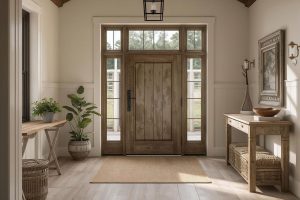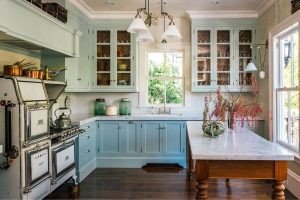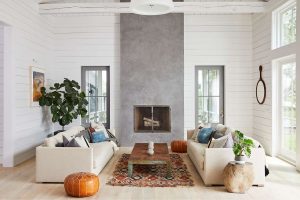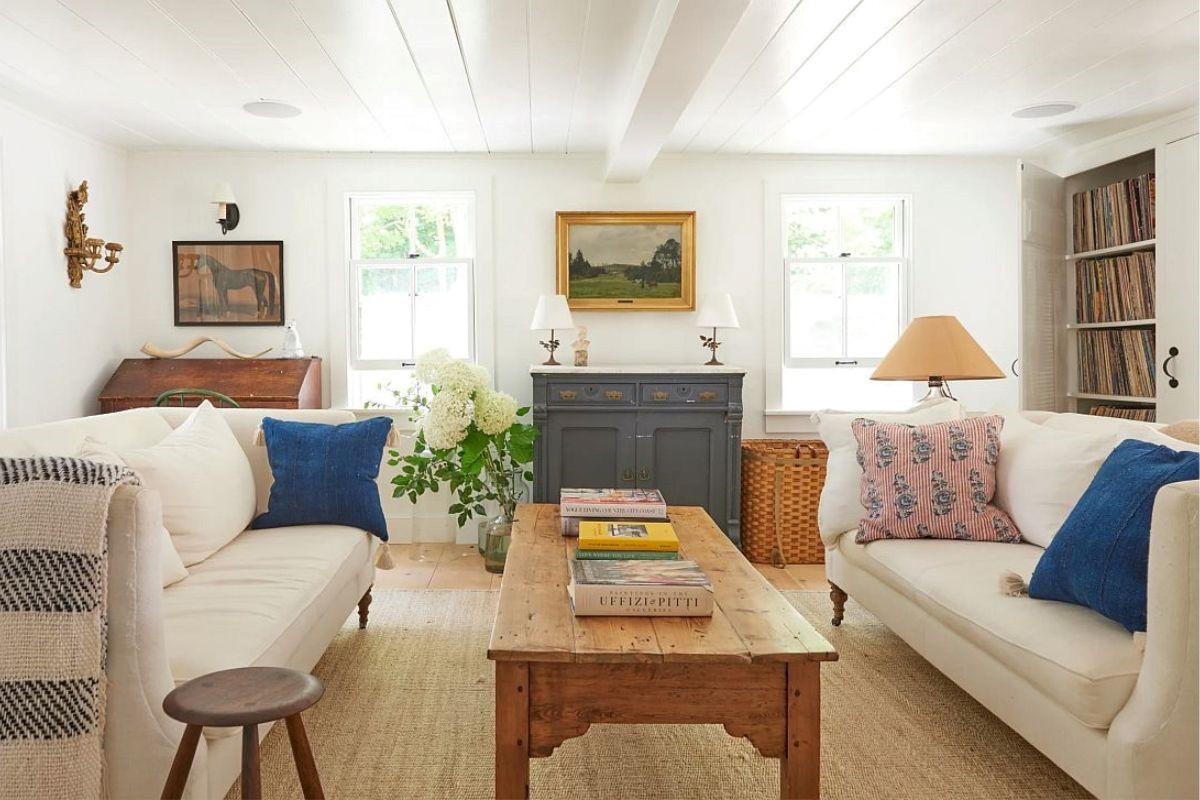
Picture a long wooden table worn smooth by years of meals, a deep apron-front sink under a window, and white-painted plank walls catching the morning light. A stoneware pitcher holds cut branches, a wool throw hangs over a slipcovered sofa, and a pair of iron lanterns frames the back door. Nothing is precious, everything is used, and the whole house feels like a place where people gather.
Farmhouse style grew out of working rural homes, where furniture and materials had to be sturdy, practical, and easy to repair. Today it comes in two main versions: a traditional look full of patina, deeper colors, and antiques, and a modern version with crisp white walls, black accents, and cleaner lines. This guide explains where the style came from, how the two branches differ, which materials and colors define it, and how to bring it into each room without turning a home into a theme.
Key Takeaways
- Farmhouse style puts comfort and practicality first, using durable, natural materials and everyday objects.
- Traditional farmhouse leans on antiques, visible craftsmanship, and deeper colors, while modern farmhouse favors white walls, black metal, and simpler lines.
- Shiplap or plank walls, exposed beams, open shelving, apron-front sinks, and big gathering tables appear in both versions.
- Wood, stone, cast iron, galvanized metal, linen, cotton, and wool supply the warmth and texture.
- Regional influences, from coastal to mountain to French country, change the palette and materials.
- Small changes such as paint, open shelves, and vintage finds can create the look without a renovation.
What Is Farmhouse Style?
Farmhouse style makes comfort and usefulness the main design priorities. It values simple routines, materials that stand up to hard use, and rooms that welcome everyday life rather than formal display.
Origins in Working Homes
The style traces back to rural houses in Europe and early America, built from local timber and stone by the families who lived in them. Kitchens were large because they were the center of daily work, porches provided shade and extra living space, and furniture was handmade, solid, and repaired rather than replaced. Decoration came from useful objects, such as crockery, baskets, quilts, and tools.
From Homestead to Modern Interiors
American farmhouses of the 18th and 19th centuries added clapboard siding, wide plank floors, simple trim, and furniture traditions such as Windsor and Shaker chairs. Over the following century the look became shorthand for a warm, unpretentious home. In the 2010s a lighter, cleaner modern farmhouse version became one of the most popular decorating styles in the United States.
Why It Endures
The style balances durability with approachable beauty. Its materials age well, its furniture is comfortable, and its rooms are built for real families, pets, and muddy boots. It also adapts easily to different regions, budgets, and house types, from a true country home to a city apartment.
Traditional vs. Modern Farmhouse
Both branches share the same practical roots, but they look quite different in finish, color, and proportion.
Traditional Farmhouse
Traditional rooms feel cozy and storied. Expect visible joinery, unlacquered brass and iron, antique furniture with real wear, and deeper colors such as barn red, forest green, mustard, and deep blue. Quilts, braided rugs, and collections of crockery or ironstone add pattern and history.
Modern Farmhouse
Modern farmhouse emphasizes a neutral palette of white, cream, and soft gray, with black window frames, matte black hardware, and simpler trim. Fixtures are sleeker, wood tones are lighter, and decoration is pared back. A Scandinavian influence shows in calm, uncluttered rooms with fewer objects on display.
Shiplap or plank walls, exposed beams, barn doors, open shelving, and large gathering tables appear in both. The difference lies in finish and scale: reclaimed beams, heavy trim, and patinated metal read traditional, while slimmer profiles, painted shiplap, and black metal read modern.
Regional Variations
Coastal farmhouse uses pale woods, whitewashed finishes, blue accents, and breezy linen. French country adds curved furniture, toile fabrics, and a softer, collected feel. Mountain and ranch versions favor heavier timber, stone fireplaces, leather, and wool. Many homes blend these influences, and the right mix usually depends on climate and the house’s architecture.
Core Elements and Materials
Durable finishes and honest, tactile materials form the backbone of farmhouse style. Focus on real materials and straightforward architectural details so the look feels lived in rather than staged.
Natural Materials and Reclaimed Pieces
Wood, stone, brick, and metal bring warmth and texture. Reclaimed barn wood, salvaged doors, and vintage hardware add history and support a more sustainable approach to decorating.
Architectural Details
Shiplap or tongue-and-groove walls, exposed beams, wide plank floors, and board-and-batten wainscoting set the room’s rhythm. A sliding barn door or a deep window seat adds character, but use such features sparingly so the house still feels authentic.
Signature Features
Several elements appear again and again in farmhouse homes:
- Apron-front or farmhouse sinks in fireclay or cast iron
- Open shelving and plate racks for everyday dishes
- Large trestle or plank dining tables with mixed chairs
- Brick or stone fireplaces and wood stoves
- Covered porches and mudrooms with hooks and benches
Textiles and Accents
Layer linen, cotton ticking, buffalo check, grain-sack stripes, and wool throws. Accents come from useful objects such as dough bowls, stoneware crocks, enamelware, wire baskets, and galvanized buckets. Fresh greenery, dried flowers, and branches cut from the garden finish the look.
The Farmhouse Color Palette
Color in a farmhouse home is calm and grounded, drawn from the landscape and from old painted finishes.
Warm Whites and Creams
Warm white, cream, ivory, and soft greige form the base of most farmhouse rooms, especially modern ones. Choose whites with a slight warm or gray undertone rather than stark bright white, which can feel cold against wood.
Muted Greens, Blues, and Grays
Sage, olive, moss, soft blue, slate, and stone gray add gentle color on walls, cabinetry, or doors. They pair especially well with natural oak, pine, and aged brass.
Deeper Traditional Accents
For a traditional look, use deeper shades such as barn red, forest green, navy, and mustard on a kitchen island, built-ins, a front door, or a painted dresser. In modern farmhouse rooms, black takes this role on window frames, light fixtures, hardware, and stair rails.
Furniture, Lighting, and Surfaces
Farmhouse furniture is substantial, comfortable, and built to last. Lighting follows the same practical logic, with simple shapes inspired by barns, schoolhouses, and old workshops. Floors, walls, and counters take the most wear of all, so the best choices are materials that look better with scuffs, stains, and age rather than worse.
Furniture With Character
Look for trestle and farm tables, Windsor and ladder-back chairs, benches, slipcovered sofas, and painted or distressed cabinets. Mixing chairs around a dining table is a classic move. Antique dressers, pie safes, and hutches provide storage with history.
Lighting Fixtures
Classic fixtures include enamel barn pendants, schoolhouse glass globes, wrought iron chandeliers, lantern-style pendants, and simple wall sconces. Choose oil-rubbed bronze, black iron, or aged brass for traditional rooms, and matte black or brushed nickel for modern ones. Warm bulbs keep the glow cozy in the evening.
Wide Plank and Brick Floors
Wide plank floors in pine, white oak, or reclaimed wood are the classic choice, often finished with oil or a matte sealer so the grain and knots stay visible. Softer pine dents easily, but in a farmhouse those marks read as character. Brick, slate, and terracotta suit mudrooms, entries, and kitchens, where boots and spills are part of daily life.
Wall Treatments Beyond Shiplap
Shiplap is only one option. Board-and-batten wainscoting, beadboard, tongue-and-groove paneling, and plain plaster all belong in the style, and limewash or chalky mineral paint gives walls a soft, slightly uneven finish that suits old houses. Exposed brick or stone works well on a single fireplace wall or a kitchen backsplash.
Countertops and Backsplashes
Butcher block, soapstone, and honed marble are traditional farmhouse counters, each with its own personality:
- Butcher block feels warm and can be sanded and re-oiled when it gets scratched.
- Soapstone is dense and nonporous, darkens with mineral oil, and shows small scratches that can be buffed out.
- Honed marble or limestone looks soft and old but etches from lemon juice and vinegar, so it suits owners who accept patina.
- Quartz or concrete in a matte finish gives a low-maintenance modern farmhouse version.
For backsplashes, white subway tile, handmade zellige-style tile, and simple square tile in cream or soft green all fit. Keep grout lines simple and colors quiet so the tile supports the room rather than competing with wood and open shelves.
Room-by-Room Farmhouse Ideas
Practical choices, such as cabinet depth or the right rug size, make a big difference from room to room.
Living Room
Pair a neutral, washable sofa with plank walls and a stone or brick fireplace for instant warmth. Add beams or beam-style trim and a layered rug, such as a jute base with a vintage wool rug on top, to define the seating area.
Built-in bookcases or a vintage cabinet can hold books, baskets, and collected finds while keeping surfaces tidy.
Kitchen
Open shelving keeps everyday dishes within reach, and an island or worktable handles prep and casual meals. Where clearances are tight, shallow cabinets about 9 to 12 inches deep add storage without crowding the aisle. Use handmade tile or a sealed surface behind the range, since raw shiplap does not hold up well to grease and moisture.
Dining Room
A long plank table with mixed chairs or benches is the farmhouse ideal. A ceiling medallion can hide old electrical boxes and add character, and an iron or wood chandelier anchors the table.
Bedrooms, Baths, and Small Spaces
Bedrooms suit iron or wood beds, quilts, neutral linen, and vintage dressers. In bathrooms, a clawfoot tub, beadboard wainscoting, and a wood vanity create the look. In tight spaces, use peg rails, narrow cabinets, and a sliding barn door where a swinging door would block movement. A laundry room gains function from a hanging drying rack, a peg rail, and a deep utility sink.
Farmhouse Compared With Similar Styles
Farmhouse overlaps with several popular looks, and knowing the differences helps keep a room focused.
Farmhouse vs. Rustic
Rustic interiors celebrate raw, heavy materials such as rough-hewn logs, stone, and leather, often in mountain or cabin settings. Farmhouse uses many of the same materials but with more painted finishes, lighter walls, and a homier, more domestic feel.
Farmhouse vs. Cottage
Cottage style is smaller in scale, more romantic, and more pattern-heavy, with florals, painted furniture, and abundant collections. Farmhouse is more utilitarian and restrained, with larger furniture and plainer textiles.
Farmhouse vs. French Country
French country brings curved, carved furniture, toile and provincial fabrics, and warm colors such as ochre and lavender. It shares farmhouse’s rural roots but feels more refined and decorative.
Farmhouse Style in Apartments and Newer Homes
A farmhouse look does not require a rural house or original beams. Many people bring the style into city apartments, suburban builds, and rentals by focusing on furniture, textiles, and a few removable details instead of construction.
Renter-Friendly Ideas
Peel-and-stick plank wallpaper or a freestanding beadboard panel behind a bed can suggest paneled walls without damaging plaster. Swap a builder-grade ceiling fixture for an enamel or lantern pendant, and keep the original to reinstall later. Freestanding pieces, such as a vintage hutch, a bakers rack, or a rolling butcher-block cart, add farmhouse storage that moves with you.
Adding Character to a New Build
New homes often feel flat because every surface is smooth and uniform. Add depth with heavier interior doors, simple wide casing around windows, and a few reclaimed or salvaged items such as an old mantel, a plank shelf, or an antique door used as a headboard. Faux beams work best when they are sized and spaced realistically, with a few running in the same direction as the joists would.
Keeping Small Rooms Light
In compact spaces, lean toward the modern branch: warm white walls, light oak, and slim black metal keep rooms airy. Choose a smaller round pedestal table instead of a long trestle, use a bench along one side to save space, and limit open shelving to one or two shelves so it stays tidy.
How to Achieve Farmhouse Style Today
Let your region and your house guide material and color choices so rooms feel rooted. Rustic wood and stone suit mountain homes, soft blues and whitewashed wood suit coastal houses, and symmetrical millwork with traditional fireplaces suits older East Coast homes.
Layer Old and New
Mix modern finishes with vintage and reclaimed pieces. Pair clean-lined cabinetry or lighting with antique case goods so the room feels collected but not cluttered.
Budget-Friendly Moves
Start with easy upgrades: limewash a wall, add simple open shelves in the kitchen, swap hardware for iron or brass, or paint a dated fireplace. Secondhand shops and estate sales are full of farm tables, crocks, and baskets. A plank or reclaimed-wood ceiling adds warmth overhead, while a calm wall color keeps the room from feeling heavy.
Practical Details
Seal shiplap or plank walls in bathrooms and kitchens, or use tile or washable paint in wet areas. Use barn doors and sliding hardware only where they solve a real space problem. Repeat metals and wood tones across furniture and fixtures so the room feels unified, and plan generous storage so daily life stays easy.
Mistakes to Avoid
The most common mistake is relying on signs, slogans, and mass-produced decor to signal the style. Real farmhouse character comes from materials, furniture, and useful objects, so skip the word art and invest in one good table or a vintage cabinet instead.
Another mistake is overusing shiplap and barn doors, which can make a home feel like a trend rather than a farmhouse. Use them where they make sense architecturally, and balance all-white rooms with wood, texture, and a few deeper colors so the space does not feel flat.
Caring for Farmhouse Materials
Part of the appeal of farmhouse style is that its materials improve with use, but they still need simple, regular care. A few habits keep wood, metal, and textiles looking good for decades.
Wood and Painted Finishes
Oil butcher block and unsealed wood tables with food-safe mineral oil every month or so, more often in dry seasons. Clean painted and distressed furniture with a damp cloth and mild soap rather than harsh sprays, and refresh chalk-painted pieces with a coat of furniture wax when they start to look dull.
Metals, Sinks, and Fixtures
Unlacquered brass and copper darken naturally; polish them for shine or leave them to develop a warm patina. Wipe cast iron and black metal dry to prevent rust spots. Fireclay and enameled cast iron sinks are tough but can chip if heavy pots are dropped, so a sink grid helps protect the surface.
Textiles and Rugs
Linen, cotton ticking, and grain-sack fabrics soften with washing, which is why slipcovers are so useful in farmhouse living rooms. Choose washable slipcovers in cream or oatmeal, rotate rugs every few months so they wear evenly, and air wool throws outdoors on a dry day to keep them fresh.
Conclusion
Farmhouse style lasts because it puts function first while giving rooms warmth and personality. Sturdy furniture, natural materials, open shelving, and a calm palette create interiors that stand up to daily life and look better with age.
Choose the traditional or modern branch based on your house and taste, then start small. Update one room with two or three key elements, add a few vintage pieces with real history, and let the rest of the home evolve over time.
Frequently Asked Questions
More Farmhouse Style Decor
- Farmhouse Style Bedroom: Rustic Charm and Cozy Elegance
- Farmhouse Style Living Room: Inviting Warmth and Serenity
- Farmhouse Style Kitchen: Mixing Nostalgia with Modern Convenience
- Farmhouse Style Dining Room: Infusing Rustic Charm into Your Space
- Farmhouse Style Entryway: Rustic Charm at the Doorstep