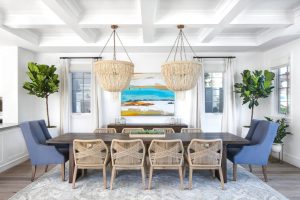
Coastal style brings the feeling of a summer house by the water into everyday life. Picture white-painted walls, a slipcovered sofa in washed linen, a jute rug over pale oak floors, and tall windows dressed in sheers that move with the breeze. A weathered wood bench, a bowl of sea glass, and a lamp with a woven shade complete a room that feels bright, easy, and unhurried.
At heart, coastal design is about light, air, and natural texture. It borrows its colors from sand, sea, and sky, its materials from boats, docks, and beach cottages, and its mood from slow days near the water. The style works just as well in an inland apartment as in a house on the shore, because it depends on atmosphere rather than location.
Key Takeaways
- Coastal style is built on natural light, open space, and a palette drawn from sand, water, and sky.
- Whites, creams, and soft blues form the base, with accents such as seafoam, coral, or navy used sparingly.
- Natural materials, including linen, cotton, jute, rattan, and weathered wood, carry the look more than themed decor.
- Furniture is relaxed and comfortable, with clean lines, slipcovers, and durable finishes.
- Regional variations, from New England cottage to Mediterranean, give the style different moods.
- Subtle nods to the sea look more refined than rooms full of anchors and shells.
The Fundamentals of Coastal Style
Coastal style brings the calm of the seaside indoors. It takes its cues from the shoreline: bleached wood, pale sand, changing water, and wide skies.
Origins and Evolution
The look grew out of practical homes in seaside towns, where cottages and summer houses were built with painted wood paneling, simple furniture, and big windows to catch breezes and views. Shingle-style houses on the American East Coast, fishermen’s cottages, and seaside summer homes all contributed their relaxed, unpretentious character.
Regional Variations
Coastal style varies by region. New England and Cape Cod interiors lean toward crisp white, navy, and painted beadboard. Southern coastal homes use more color, shutters, and generous porches. California coastal style is looser and more casual, with warm woods and organic shapes, while Mediterranean and tropical versions bring in terracotta, whitewashed plaster, and bold greens.
What Makes an Interior Authentically Coastal
Authentic coastal rooms rely on natural materials, light colors, and a sense of openness rather than a pile of beach motifs. A room can feel unmistakably coastal with no anchors or shells at all, as long as it is bright, airy, and full of texture.
Key Elements That Define Coastal Style
Coastal interiors share a handful of core elements. Getting these right matters more than any single accessory.
The Coastal Color Palette
The palette starts with a neutral, natural base: crisp white, warm cream, and sandy beige. These shades reflect daylight and give the room a fresh, open feel.
Blues, Whites, and Sandy Neutrals
Soft blues, from pale sky to sea glass and deeper denim, are the classic companions to white. Sandy neutrals and driftwood grays add warmth so the room does not feel cold.
Use the lightest shades on walls and large furniture, and save the deeper blues for pillows, a painted cabinet, or a striped rug.
Accent Colors
A few accents keep the palette from becoming predictable. Seafoam and celadon feel gentle and fresh, coral and shell pink add warmth, and navy brings a crisp, nautical edge. Choose one or two and repeat them across the room.
Natural Materials and Textures
Texture does much of the work in coastal design. Woven rattan, wicker, seagrass, jute, and rope add an organic feel, while reclaimed or whitewashed wood suggests boards weathered by sun and salt. Stone, ceramic, and glass add cool, smooth contrast. The most useful coastal materials include:
- Washed linen and cotton for slipcovers, curtains, and bedding.
- Jute, sisal, and seagrass for rugs and baskets.
- Rattan, cane, and wicker for chairs, headboards, and light shades.
- Whitewashed, bleached, or reclaimed wood for tables and shelving.
- Clear or sea-tinted glass for lamps, vases, and pendants.
Relaxed Furniture
Coastal furniture has clean lines, minimal ornamentation, and a focus on comfort. Slipcovered sofas in washable cotton or linen, deep armchairs, rattan accent chairs, and simple wood tables are typical. Arrange pieces to encourage conversation and leave room to move freely.
Creating a Coastal Foundation
Floors, walls, and architecture set the stage for a coastal home. Choosing them well makes everything placed on top feel more convincing.
Flooring Options
Light wood floors are the most classic choice, from white oak to pine finished in a pale or whitewashed tone. Painted wood floors, wide planks, and natural fiber rugs layered on top all suit the style.
Hardwood, Tile, and Natural Alternatives
Hardwood brings warmth and a sense of tradition. Tile, including porcelain that looks like wood or stone, is practical in kitchens, bathrooms, and entries where sand and water get tracked in.
Bamboo and cork are renewable alternatives with a natural look, though both need protection from standing water. Choose a matte finish over high gloss to keep the relaxed character.
Care in Salty, Humid Climates
Homes near the ocean face salt air, humidity, and sand. Choose finishes rated for moisture, seal wood floors well, use doormats at every entry, and run a dehumidifier during humid months. Stainless or powder-coated hardware resists corrosion better than plain steel.
Walls and Architectural Details
White, cream, and pale gray-blue walls set a calm tone. Shiplap, beadboard, and board-and-batten paneling add texture and a cottage feel, while lime plaster suits Mediterranean versions. Exposed beams, large windows, and French doors that open to a porch or patio strengthen the connection between inside and out.
Coastal Style Room by Room
A coastal home feels most convincing when the same palette and materials run through every room, adjusted for how each space is used.
Living Room
The living room should feel open and inviting. A light-colored sofa or sectional in a durable, washable fabric forms the center, joined by a rattan chair, a weathered wood coffee table, and a large jute or flatweave rug.
Arrange seating to face each other or a view, and keep walkways clear. Sheer curtains, linen panels, or plantation shutters let in as much daylight as possible while still offering privacy.
Bedroom
A coastal bedroom is a calm retreat. Use soft blues, whites, and sandy neutrals, breathable cotton or linen bedding, and a headboard in rattan, cane, or whitewashed wood. Sheer curtains layered with a blackout shade keep the room airy by day and dark at night.
Kitchen and Dining
Coastal kitchens are bright and practical. White or pale blue cabinets, light countertops in quartz or marble, and a simple tile backsplash reflect light and make the space feel larger. Woven pendant lights or clear glass fixtures over an island add texture without heaviness.
In the dining area, a farmhouse or trestle table in natural wood pairs well with woven or painted chairs. Keep the table setting simple with linen napkins, stoneware, and a jar of garden flowers.
Bathroom
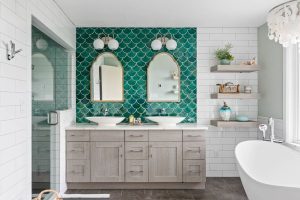
Coastal bathrooms feel like a spa near the sea. White or pale aqua tile, natural stone, teak accessories, and a framed mirror create a calm, clean look. Plenty of natural light, fluffy white towels, and a woven hamper complete the room.
Accessorizing a Coastal Home
Accessories finish a coastal room, but restraint is what separates a refined look from a theme.
Nautical and Beach-Inspired Decor
Nods to the sea can range from subtle to obvious. A shell-framed mirror, a rope-wrapped lamp, or a vintage ship model adds character when used sparingly.
Authentic Versus Kitschy
Choose objects that suggest the sea rather than announce it. A vintage brass compass, an old nautical chart, or a single piece of coral on a stand feels more considered than signs, anchor prints, and stacks of shells on every surface.
Collections and Found Objects
Driftwood, sea glass, smooth stones, and beach pottery tell a personal story when displayed thoughtfully. Group them in a glass jar, on a tray, or in a shallow bowl so they read as one collection.
Textiles
Linen, cotton, and jute bring softness and texture. Use striped or ticking fabrics, simple ikat patterns, and solid washed linens for pillows and throws, and layer a jute or seagrass rug under a softer cotton rug for comfort.
Lighting
Fixtures inspired by lanterns, glass buoys, or woven baskets suit coastal rooms. Rattan pendants, clear glass globes, ceramic table lamps, and rope details add texture while keeping the look light.
Use warm bulbs and layer lamps at different heights so the room feels cozy in the evening, when the cool palette can otherwise feel flat.
Coastal Style Through the Seasons
Coastal style is often linked to summer, but small seasonal changes keep it comfortable and fresh all year.
Summer
Summer is coastal style at its fullest. Use lightweight cotton and linen, open windows, plenty of white, and bright accents such as coral or citrus. Fresh flowers and bowls of fruit add color.
Fall and Winter
In cooler months, warm the room with chunky knit throws, wool or cable-knit pillows, sheepskin on a chair, and warmer wood tones. Candles, driftwood, and dried grasses create a cozy, beach-cottage mood without abandoning the palette.
Spring
Spring is a good time to refresh. Swap heavier textiles for linen, bring in soft pastels or seafoam green, and add woven baskets and fresh greenery.
Wash slipcovers, rotate rugs, and edit accessories so the room feels light again before summer.
Common Mistakes to Avoid
A coastal room should feel relaxed and natural. A few common missteps can push it toward a themed look instead.
Overdoing Nautical Themes
Too many anchors, life rings, ropes, or beach signs make a room feel like a souvenir shop. Limit nautical motifs to one or two meaningful pieces and let texture and color do the rest.
Color and Material Missteps
A room with only bright blue and white can feel cold and theatrical. Add warm neutrals, natural wood, and textured fabrics. Avoid glossy, synthetic finishes that undercut the organic feel.
Balance and Proportion
Over-accessorizing and furniture that is too large or too small disrupt the airy look. Leave open floor space, keep surfaces partly clear, and choose a few larger pieces rather than many small ones.
Forgetting Comfort and Practicality
A coastal home should be easy to live in, with sandy feet, wet towels, and summer guests in mind. Delicate white upholstery without slipcovers, rugs that cannot be cleaned, and fragile accessories within reach of children all work against the relaxed spirit of the style. Choose washable fabrics, indoor-outdoor rugs in busy areas, and a sturdy bench or basket by the door for bags and shoes.
Budget-Friendly Coastal Style
Coastal style is one of the most affordable looks to create, because it relies on paint, natural fibers, and found objects more than on expensive furniture.
DIY Projects and Upcycling
A coat of white, cream, or pale blue paint can refresh an old dresser, side table, or set of chairs. Distress the edges lightly for a weathered finish, and update hardware with simple wood or brass knobs.
Weekend Projects With Big Impact
Create a coastal vignette on a console or shelf with driftwood, a jar of shells, and a small framed print. Turn glass bottles or jars into vases, or wrap a plain lamp base in rope.
Swapping heavy curtains for white linen panels and adding a jute rug can change the feel of a room in a single weekend.
Saving and Splurging
Spend on a comfortable, washable sofa and a good rug, since they take the most wear. Save on accessories by shopping thrift stores and flea markets for baskets, rattan chairs, glass jars, and vintage maps. Reclaimed wood shelves and secondhand wicker are both sustainable and budget friendly.
Blending Coastal Style With Other Aesthetics
Coastal style blends easily with other looks, which makes it a flexible choice for different homes and tastes.
Coastal Farmhouse
Coastal farmhouse combines farmhouse simplicity with airy seaside elements. Shiplap walls, reclaimed wood tables, and galvanized metal pair with soft blues, linen, and woven textures for a cozy, relaxed feel.
Modern Coastal
Modern coastal keeps the light palette and natural materials but simplifies everything else. Clean-lined furniture, minimal accessories, black or brushed metal accents, and large windows give the look a crisp, sophisticated edge.
Tropical and Mediterranean Blends
Tropical coastal adds lush plants, palm-leaf prints, rattan, and darker woods, inspired by island and British colonial homes. Mediterranean coastal leans on whitewashed plaster, terracotta, wrought iron, and bold blue accents, recalling Greek and Italian seaside villages.
Coastal Compared With Similar Styles
Coastal style is often confused with a few close relatives. Knowing the differences makes it easier to choose pieces that fit.
Coastal Versus Nautical
Nautical style is the more literal cousin. It leans on navy and red with white, crisp stripes, brass ship fittings, rope, and maritime motifs such as anchors and flags. Coastal style is softer and more natural, focusing on sand tones, pale blues, weathered wood, and woven textures, with sea references kept quiet.
Coastal Versus Hamptons
Hamptons style is a polished, upscale branch of coastal design. It favors crisp white paneling, navy and white upholstery, symmetrical layouts, and more tailored furniture, often with some traditional elegance. Coastal style in general is more relaxed and lived in, happy with slipcovers, rattan, and a bit of sand on the floor.
Both styles love white walls, light wood, and natural light. Scandinavian rooms, however, are more minimal and graphic, with black accents and a cooler, northern feel. Coastal rooms add more blue, more woven texture, and a breezier, vacation mood.
How to Create a Coastal Home Step by Step
There is no need to redecorate everything at once. Working in stages keeps the budget manageable and helps each decision fit the last.
Step 1: Edit and Brighten
Clear out heavy curtains, dark accessories, and excess furniture. Clean windows, swap heavy shades for sheers, and let as much daylight in as possible. This alone makes a room feel lighter and more open.
Step 2: Set the Palette
Paint walls in a warm white, soft cream, or pale gray-blue, and choose one or two accent colors. If painting is not an option, bring the palette in through slipcovers, bedding, and curtains.
Step 3: Add Natural Texture
Introduce a jute or seagrass rug, a rattan chair, woven baskets, and linen pillows. Replace plastic or glossy accessories with wood, ceramic, and glass.
Step 4: Finish With Light and Meaningful Pieces
Add a woven pendant or glass lamps, then a few personal items such as a favorite beach photograph, a bowl of collected sea glass, or a vintage map of a place you love. Stop before the room feels full.
Conclusion
Coastal style brings the ease and calm of the seaside into any home. Light colors, natural materials, comfortable furniture, and a few meaningful accents create rooms that feel bright, relaxed, and welcoming.
Start with the foundation of paint, flooring, and textiles, then add pieces gradually and edit as you go. Whether the house is on the shore or far inland, the right balance of light, texture, and restraint will make it feel like a getaway every day.
Frequently Asked Questions
More Coastal Style Decor
- Coastal Style Bedroom: A Haven of Relaxation
- Coastal Style Living Room: Nautical Charm at Home
- Coastal Style Kitchen: Bringing Seaside Freshness to Your Culinary Space
- Coastal Style Bathroom: Tranquil Ocean-Inspired Retreat
- Coastal Style Dining Room: Embracing Seafaring Vibes for Exquisite Dining