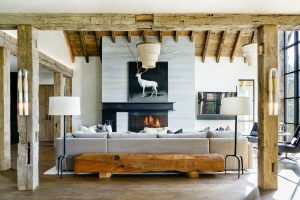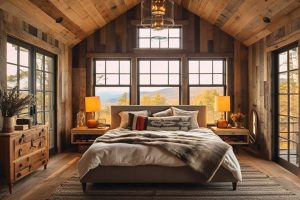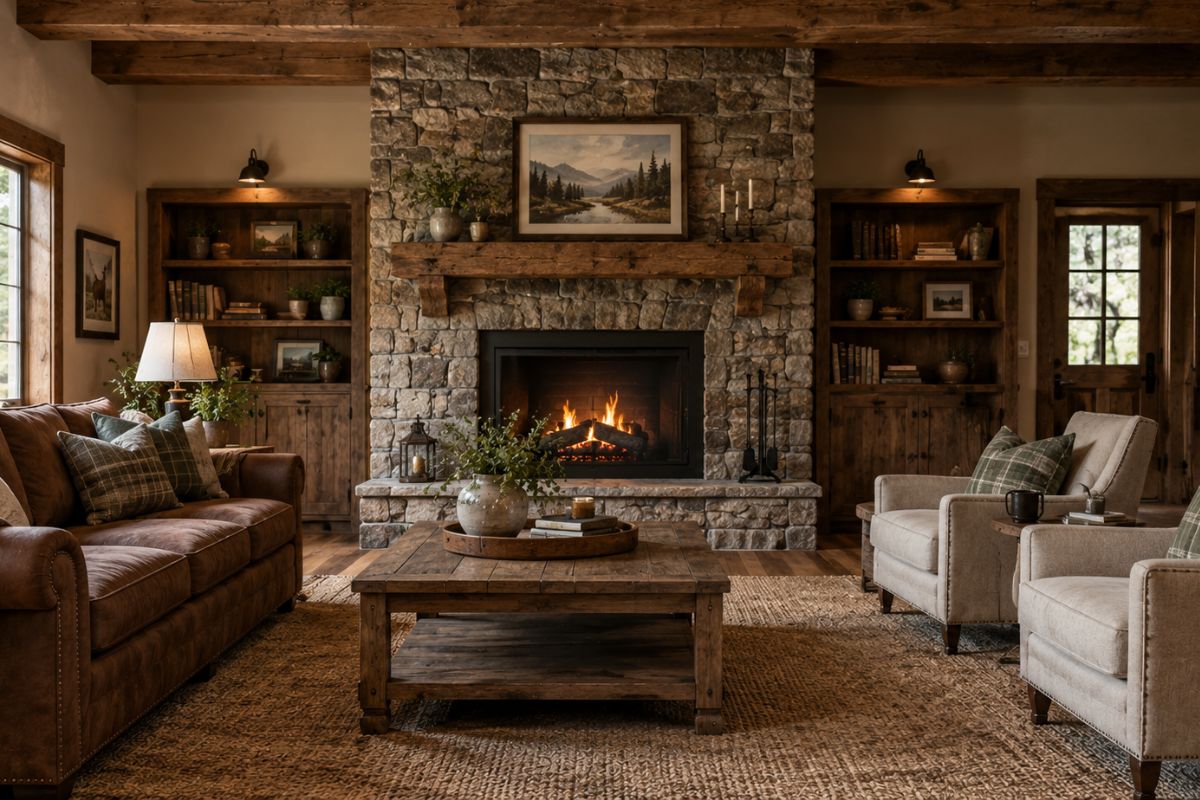
Rustic style has been a timeless favorite in interior design, evoking a sense of warmth and coziness in homes. Characterized by its use of natural materials, earthy tones, and vintage elements, rustic style creates a welcoming atmosphere that feels both authentic and inviting.
Understanding the core elements of rustic style is essential to incorporating it effectively into your space. From rustic interior design principles to practical tips for decorating, this guide will walk you through the world of rustic style, helping you to create a beautiful and inviting space.
Key Takeaways
- Understanding the definition and history of rustic style
- Identifying key elements of rustic interior design
- Learning practical tips for incorporating rustic style into your decor
- Discovering how to balance rustic elements with modern design
- Exploring the role of natural materials in rustic style
What is Rustic Style? Origins and Evolution
Rustic interior design is more than just a style; it’s a reflection of a lifestyle that values simplicity, comfort, and a connection to nature. This design aesthetic has its roots in early American homesteads, where practicality and handcrafted elements were essential.
Historical Roots of Rustic Design
The historical roots of rustic design are deeply embedded in the early American experience, where settlers relied on local materials and traditional craftsmanship to build their homes. The use of natural materials such as wood, stone, and brick was not only a practical choice but also a defining characteristic of the rustic style. As American culture evolved, so did the rustic design, incorporating various influences and techniques.
The early 20th century saw a resurgence in rustic design, particularly in the context of vacation homes and lodges, where the emphasis was on creating a cozy, natural atmosphere. This period also witnessed the introduction of new materials and techniques, further enriching the rustic aesthetic.
Modern Interpretations of Rustic Style
In modern times, rustic style has evolved to incorporate a wide range of influences, from industrial chic to coastal cool. Today, rustic design is not just about replicating the past; it’s about creating a unique, welcoming space that reflects a personal connection to nature and craftsmanship. Modern interpretations of rustic style often blend traditional elements with contemporary materials and techniques, resulting in a fresh, sophisticated aesthetic.
The evolution of rustic design is a testament to its enduring appeal, as it continues to adapt to changing tastes and lifestyles while retaining its core essence. Whether in a rural setting or an urban environment, rustic style remains a popular choice for those seeking a warm, inviting atmosphere.
Key Elements of Rustic Style
Natural materials, weathered finishes, and handcrafted elements are the cornerstone of rustic style. These components work together to create a warm, inviting, and authentic aesthetic that celebrates the beauty of the natural world.
Natural Materials and Textures
Rustic style heavily incorporates natural materials such as wood, stone, and brick. These materials bring warmth and character to a space.
Wood Elements
Wood is a fundamental element in rustic design, often used for flooring, walls, and furniture. Reclaimed or distressed wood adds a layer of history and authenticity.
Stone and Brick Features
Stone and brick are used to add texture and depth to rustic interiors. They can be used for fireplaces, walls, or flooring, creating a sense of solidity and permanence.
Weathered and Distressed Finishes
Weathered and distressed finishes are crucial in achieving a rustic look. These finishes give materials a worn, aged appearance, adding to the overall charm and character of the space.
Handcrafted and Artisanal Elements
Handcrafted and artisanal elements, such as handmade furniture and decorative items, are highly valued in rustic design. These pieces add a personal touch and uniqueness to the space.
The use of handcrafted elements also supports local artisans and preserves traditional craftsmanship.
Types of Rustic Style
Rustic style is a broad term that covers a variety of sub-styles, from the warmth of farmhouse rustic to the ruggedness of industrial rustic. This diversity allows homeowners to choose the rustic aesthetic that best fits their lifestyle and preferences.
Farmhouse Rustic
Farmhouse rustic style is characterized by its warm, inviting atmosphere and vintage elements. It often features distressed wood, antique furniture, and classic country decor. This style is perfect for those who want to create a cozy, welcoming home that feels like a traditional farmhouse.
Key elements of farmhouse rustic include shiplap walls, metal accents, and rustic wooden beams. The color palette tends to be neutral, with whites, creams, and earth tones dominating the scene.
Cabin and Lodge Rustic
Cabin and lodge rustic styles are inspired by the great outdoors and are often associated with mountain retreats or lakeside cabins. These styles emphasize natural materials, such as wood and stone, and often feature large fireplaces and cozy nooks.
The cabin and lodge rustic styles are ideal for those who love nature and want their home to reflect that. The use of natural textures and earthy colors creates a warm, snug environment that feels connected to the outdoors.
Industrial Rustic
Industrial rustic combines the raw, unfinished look of industrial spaces with the warmth of rustic elements. Exposed brick, metal beams, and reclaimed wood are common features of this style.
This style is perfect for those who appreciate the urban loft aesthetic but want to incorporate rustic charm into their home.
Coastal Rustic
Coastal rustic style brings the beach into your home with its use of driftwood, nautical elements, and light, airy colors. It’s a refreshing take on traditional rustic design, incorporating the feel of the coast.
This style is ideal for beach homes or for those who want to capture the essence of the seaside in their interior design. Coastal rustic often features whitewashed wood, sea glass, and natural fibers.
Rustic Home Decor: Essential Pieces and Accessories
When designing a rustic home, the key to success lies in carefully selecting essential pieces and accessories that capture the rustic charm. A well-curated selection of furniture, decorative accents, and textiles can transform a space into a warm and inviting retreat.
Furniture Selection
Choosing the right furniture is crucial in creating a rustic home decor. The furniture should be sturdy, functional, and made from natural materials such as wood or stone.
Statement Pieces
A statement piece, such as a reclaimed wood dining table or a stone fireplace, can become the focal point of a room, adding character and warmth.
Complementary Furniture
Complementary furniture pieces, like wooden benches or rustic metal chairs, can enhance the overall aesthetic while providing functionality.
Decorative Accents
Decorative accents play a significant role in enhancing the rustic charm of a home. Items such as vintage signs, metal lanterns, and woven baskets can add a touch of authenticity to the space.
Textiles and Fabrics
Textiles and fabrics are essential in adding warmth and coziness to a rustic home. Natural fibers like wool, linen, and cotton are ideal choices. Consider incorporating throw blankets, rugs, and pillows in earthy tones to create a welcoming atmosphere.
By thoughtfully selecting furniture, decorative accents, and textiles, homeowners can create a rustic home decor that is both beautiful and functional.
Room-by-Room Rustic Design Guide
A rustic design approach can transform your living spaces, making them feel more connected to nature and history. By incorporating natural materials, weathered finishes, and handcrafted elements, you can create a cohesive and inviting atmosphere throughout your home.
Living Room Rustic Elements
The living room is often the heart of the home, and a rustic design can make it feel warm and welcoming. Consider using reclaimed wood for your furniture, such as a wooden coffee table or a rustic wood wall art piece. Comfortable, oversized furniture with natural fabrics like wool or linen can add to the cozy atmosphere. A stone or brick fireplace can be a stunning focal point, bringing in a natural element that enhances the rustic feel.
Kitchen and Dining Areas
Rustic kitchens and dining areas can be both functional and beautiful. Use natural materials like wood and stone for countertops and flooring. Consider a farmhouse-style sink and rustic metal lighting fixtures to add character. For dining areas, a large, wooden table can be a centerpiece, surrounded by comfortable, rustic chairs. Adding vintage or antique pieces can further enhance the rustic charm.
Rustic Bedroom Retreats
A rustic bedroom can be a serene retreat, perfect for relaxing after a long day. Use natural materials for the bed frame and other furniture, such as solid wood or woven rattan. Earthy tones and natural textiles like cotton or linen for bedding and curtains can create a calming atmosphere. Adding some natural elements like a vase with branches or a bowl of river rocks can enhance the connection to nature.
Bathrooms with Rustic Charm
Even bathrooms can benefit from a rustic design approach. Consider using natural stone for the shower or countertops, and add wooden accents like a reclaimed wood vanity or wooden mirror frame. Rustic metal fixtures and woven baskets can add to the natural, earthy feel. To avoid a cold atmosphere, incorporate warm lighting and natural textiles like towels and rugs.
Materials Guide for Rustic Interiors
The choice of materials is fundamental in creating a rustic interior that feels cozy and authentic. Rustic design often incorporates elements that are natural, weathered, and sometimes distressed, contributing to its unique charm.
Reclaimed and Distressed Wood
Reclaimed wood is a staple in rustic interiors, offering a history and character that new wood cannot match. Distressed finishes further enhance the wood’s natural beauty, adding to the rustic ambiance.
Using reclaimed wood for furniture, flooring, or wall paneling can significantly impact the overall aesthetic of a room. It adds warmth and character, making spaces feel more inviting and lived-in.
Natural Stone and Brick
Natural stone and brick are other essential materials in rustic design. They bring a sense of solidity and earthiness to a space. Whether used for fireplaces, walls, or flooring, these materials add depth and texture to rustic interiors.
Metal Accents and Hardware
Metal accents, such as wrought iron or bronze, are used in rustic interiors to add contrast and sophistication. These materials are often used in lighting fixtures, hardware, and decorative accessories, enhancing the rustic charm.
Color Palettes for Rustic Interiors
Creating a rustic interior involves selecting a color palette that reflects the natural world. The right colors can enhance the warm, inviting atmosphere that is characteristic of rustic design.
Earth Tones and Neutrals
Earth tones and neutrals are fundamental to rustic color palettes. Shades of brown, beige, and taupe are commonly used, as they evoke the natural hues of soil, wood, and stone. These colors provide a calming backdrop for rustic interiors, allowing natural textures and materials to take center stage.
Neutrals like cream, off-white, and soft grays also play a crucial role in balancing the earthy tones, preventing the space from feeling too dark or heavy. Together, earth tones and neutrals create a harmonious and soothing color scheme that is quintessentially rustic.
Accent Colors for Rustic Spaces
While earth tones and neutrals form the base of rustic color palettes, accent colors add depth and character. Rich reds, deep greens, and warm yellows can be introduced through furniture, textiles, and decorative accessories to create visual interest and personality.
These accent colors not only enhance the aesthetic appeal of the space but also help to create a sense of warmth and coziness, which is a hallmark of rustic design. By thoughtfully incorporating accent colors, you can add layers to your rustic interior, making it feel more inviting and lived-in.
Creating Contrast in Rustic Design
Contrast is essential in rustic design, as it helps to balance the warmth of the earth tones and prevents the space from feeling monotonous. One effective way to create contrast is by juxtaposing light and dark elements, such as pairing light wooden beams with darker wood furniture or using light-colored textiles against a backdrop of darker earth tones.
By carefully balancing contrast and harmony, you can create a rustic interior that feels dynamic and engaging, yet remains cozy and welcoming.
DIY Rustic Decor Projects and Shopping Guide
Creating a rustic ambiance in your home is easier than you think with the right DIY projects and shopping guide. Rustic decor has a way of making spaces feel warm and inviting, and with a little creativity, you can achieve this look without breaking the bank.
Reclaimed Wood Projects
Reclaimed wood is a staple of rustic decor, offering a history and character that new wood can’t match. Consider creating a reclaimed wood headboard or a wooden bench for your entryway. These projects not only add a rustic touch but also serve as functional pieces.
For a simpler project, try making a reclaimed wood shelf. This can be a great way to add storage while maintaining the rustic aesthetic. You can also repurpose old pallets into wall art or coffee tables, giving your home a unique and eco-friendly touch.
Rustic Wall Art Ideas
Rustic wall art can range from simple to elaborate, depending on your skill level and the materials you choose. One idea is to create a gallery wall using vintage frames, reclaimed wood, and natural elements like burlap or twine. You can also make a statement piece using a large piece of reclaimed wood or a metal sign with a rustic finish.
Another option is to use natural materials like pinecones, branches, and dried flowers to create a unique piece of wall art. This not only adds a rustic touch but also brings a piece of the outdoors into your home.
Conclusion
Rustic style has proven to be a timeless choice in interior design, offering a unique blend of natural elements and cozy charm. By incorporating key elements such as natural materials, weathered finishes, and handcrafted pieces, you can create a warm and inviting atmosphere in your home.
Whether you’re drawn to the simplicity of farmhouse rustic or the ruggedness of cabin and lodge rustic, this style offers endless possibilities for self-expression. With a focus on rustic home decor, you can curate a space that reflects your personal taste and style.
As you’ve seen throughout this guide, rustic style can be applied to various rooms and design elements, from living areas to bedrooms and kitchens. By embracing the beauty of natural textures and earthy tones, you can bring a sense of warmth and comfort to your interior design.
Frequently Asked Questions
More Rustic Style Decor
- Rustic Style Bedroom: Cozy Retreats with Natural Charm
- Rustic Style Living Room: Warmth and Character in Every Corner