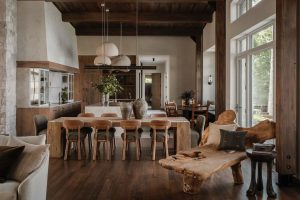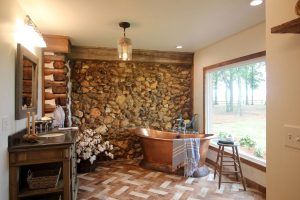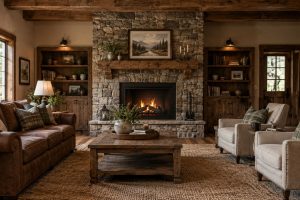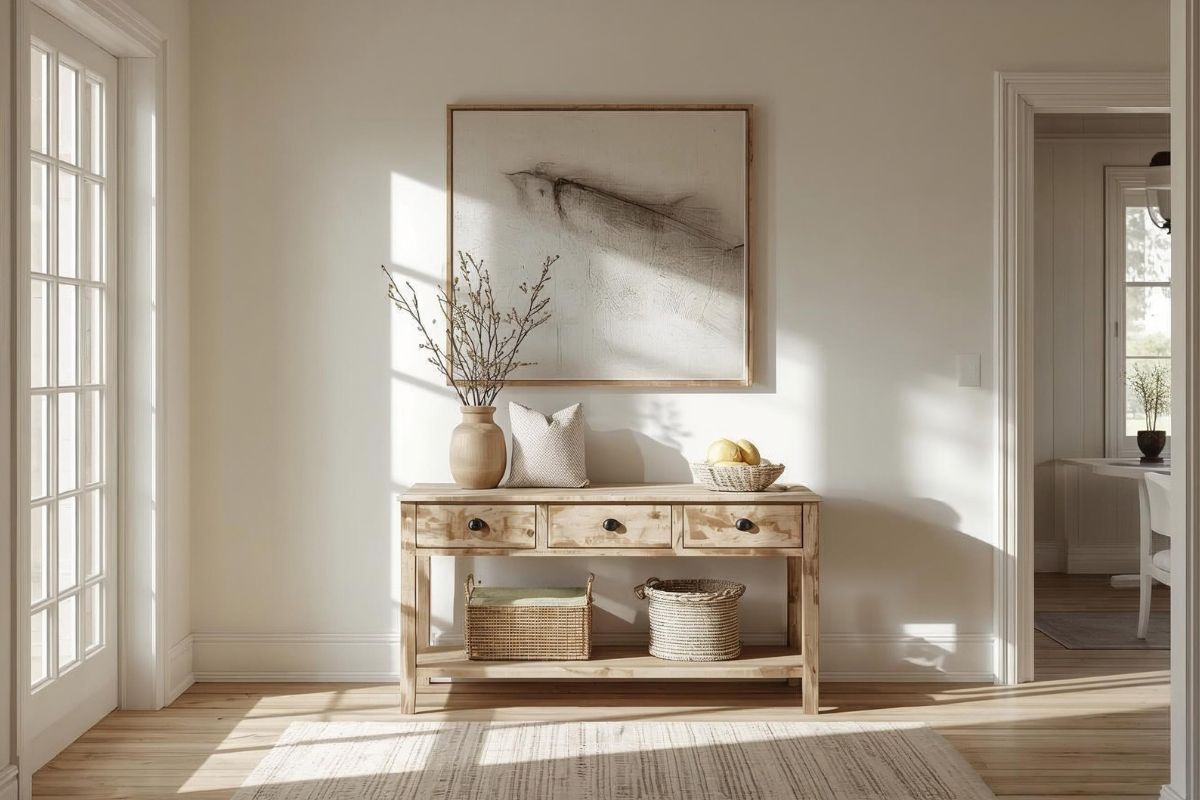
A rustic style entryway greets you with natural textures and timeless warmth. A reclaimed wood bench, a stone or slate floor, wrought iron hooks, woven baskets, and a lantern glowing by the door create a welcome that feels like arriving at a mountain cabin or a country lodge after a long walk outdoors.
Rustic design celebrates wood, stone, iron, and handcrafted details. In the entryway, those durable natural materials stand up to muddy boots, wet dogs, and heavy winter coats while making the space feel cozy and grounded. This guide walks you through planning, furnishing, and styling a rustic entry that works hard every day and still feels warm and inviting.
Key Takeaways
- Rustic entryways celebrate wood, stone, iron, and handcrafted details.
- Plan for mud, moisture, and heavy gear with durable floors and sturdy storage.
- Reclaimed wood benches, peg rails, and boot trays combine charm with function.
- Earthy colors like cream, brown, forest green, and rust create a cozy palette.
- Lanterns, iron fixtures, and warm bulbs give the entry a firelit glow.
- Wool textiles, natural accents, and seasonal greenery complete the look.
What Defines a Rustic Entryway
Rustic style draws on farmhouses, cabins, and old country homes, where entries were practical spaces for shedding boots and work clothes. A few key qualities give the look its character.
Natural Textures
Rough-sawn wood, natural stone, hand-forged iron, and woven fibers bring depth and character. Knots in timber, variation in stone, and the uneven surface of a handmade basket are welcome rather than hidden. These textures make even a small entry feel rich and layered without needing much decoration.
Built to Be Used
Rustic entries were always working spaces, and that spirit still matters. Furniture is solid and simple, finishes hide wear, and storage is easy to reach. A scuffed bench or a worn stone step only adds to the lived-in charm, so you can relax about everyday use instead of protecting delicate surfaces.
Timeless Warmth
Warm wood tones, soft textiles, and glowing light make the entry feel like a cozy retreat from the weather outside. The goal is a space that feels welcoming the moment the door opens, especially on a cold or rainy evening.
Planning the Layout
Because rustic entries often handle outdoor gear, a little planning goes a long way toward keeping mud and clutter under control.
Measure and Leave Room to Move
Keep a clear walkway of at least 36 inches, and more if family members often come in together carrying bags or sports gear. Make sure the door can swing open fully. A bench seat about 17 to 19 inches high is comfortable for pulling off boots, and a depth of 14 to 18 inches gives enough room to sit without crowding the passage.
Mount adult coat hooks around 60 to 66 inches from the floor and add a lower row at 36 to 48 inches for children. If you hang a shelf above the hooks, leave about 10 to 12 inches between them so hats and bulky coats fit comfortably.
Plan for Mud and Weather
Think about the path from the door to the rest of the house. Place a stiff outdoor mat outside, a washable runner inside, and a boot tray right by the bench so wet footwear never reaches the main floor. If you have a back door or garage entry, that space can become a dedicated mudroom while the front entry stays more polished.
Create Clear Zones
Divide the entry into a drop zone for keys and mail, a seating zone for shoes, and a storage zone for coats and gear. A small wooden tray or bowl on a console works for keys, while hooks and baskets handle bigger items. Giving everything a home keeps the space tidy even on busy days.
Furniture and Storage
Rustic entry furniture is sturdy and built to last, often with a handmade or vintage feel.
Benches
A reclaimed wood bench, a live-edge slab on simple legs, or a log-style bench gives you a place to pull off boots. Benches with a lower shelf or open cubbies make room for shoes and baskets. Add a wool, plaid, or sheepskin cushion for comfort, and choose a finish that can be wiped clean easily.
Hooks, Peg Rails, and Racks
Wrought iron hooks on a reclaimed board, a Shaker-style wooden peg rail, or a branch-style coat tree all suit the look. Choose heavy-duty hooks that can hold winter coats and backpacks without bending. A row of hooks with a shelf above is one of the most space-efficient ways to store everyday outerwear.
Boot and Shoe Storage
A boot tray lined with river rocks lets water drain away from soles and looks attractive at the same time. Sturdy wicker or seagrass baskets, a wooden shoe bench, or a vintage crate keep footwear organized. For larger families, a bench with individual cubbies gives everyone a place for their own shoes.
Consoles and Cabinets
A narrow farmhouse console, an antique washstand, or a painted cabinet with doors offers a landing spot for keys and hidden storage for gloves, dog leashes, and seasonal items. In a larger entry, a tall wooden hutch or an armoire can serve as a coat closet with plenty of character.
Walls, Floors, and Colors
Earthy colors and natural materials define the rustic entry and create a durable, cabin-like shell.
Walls
Wood plank walls, board and batten, or beadboard wainscoting add texture and protect the lower part of the wall from scuffs. A stone or stacked-stone accent wall brings a lodge feel to larger entries. If you prefer paint, choose a washable finish in a warm neutral so muddy marks can be cleaned easily.
Floors
Stone, slate, brick, and terracotta tile are ideal for rustic entries because they handle mud and moisture and hide dirt well. Wide-plank wood floors with a distressed finish also suit the style. Porcelain tile that imitates stone or wood is a practical, low-maintenance alternative. A braided, wool, or flat-weave runner adds warmth and color.
Earthy Palette
Cream, warm beige, and soft taupe walls pair with brown wood tones and accents of forest green, rust, mustard, and charcoal. A front door painted deep red, green, or navy makes a welcoming statement from both inside and out.
Lighting and Mirrors
Lighting brings a rustic entry to life, especially during dark winter months.
Lanterns and Iron Fixtures
Lantern pendants, wrought iron chandeliers, and wall sconces with seeded glass shades create a warm, inviting glow. In entries with high ceilings, a larger iron chandelier makes a strong statement. Keep at least 7 feet of clearance below hanging fixtures. Warm bulbs around 2700K enhance the cozy, firelit feel.
Mirrors
A mirror framed in reclaimed or barn wood, or a simple iron-framed mirror, reflects light and adds character. Above a console, choose a mirror roughly two-thirds to three-quarters of the console’s width, and hang it with its center close to eye level. Mirrors are especially useful in narrow or windowless entries where every bit of light counts.
Decor and Finishing Touches
Natural decor completes the rustic welcome and makes the space feel personal.
Textiles
Plaid or wool throws, a sheepskin on the bench, and a braided or woven runner add softness and color. Linen or cotton cushions in muted earth tones work well in warmer months, while chunky knits make the entry feel cozy in winter.
Natural Accents
Pinecones in a wooden bowl, branches in a stoneware crock, antlers or driftwood, and landscape art bring the outdoors in. A vintage lantern with a candle or a battery-powered flame adds a soft glow. Keep accessories to a few meaningful pieces so the entry stays practical.
Seasonal Styling
Rustic entries are especially easy to update with the seasons. In spring, add fresh greenery and lighter textiles. In summer, swap heavy rugs for jute and display a jug of wildflowers. In autumn, bring in dried wheat, small pumpkins, and warm plaid. In winter, layer wool throws, evergreen branches, and extra lanterns. These simple changes keep the space feeling fresh all year.
Common Mistakes to Avoid
One common mistake is overdoing themed decor, such as too many signs, antlers, or plaid patterns, which can make the entry feel like a stage set. Another is choosing delicate surfaces, like light carpet or untreated wood, that cannot handle mud and water. Finally, avoid poor lighting. A dark rustic entry can feel gloomy, so combine an overhead fixture with a lamp or sconces.
Rustic Ideas for Small Entryways
In a small entry, a reclaimed wood board with iron hooks, a narrow bench or boot tray, a wood-framed mirror, and a single lantern sconce create a cozy rustic welcome without crowding the space. Use vertical storage, such as a tall peg rail or wall-mounted shelf, to keep the floor clear.
If there is no room for a bench, a sturdy wooden stool can be tucked under a console when not in use. Light wall colors and a mirror opposite a window help a small rustic entry feel brighter and more open.
Conclusion
A rustic style entryway offers natural textures and timeless warmth at the door. Reclaimed wood, stone floors, iron hooks, woven baskets, earthy colors, and lantern light combine to create a durable and inviting space that handles everyday life with ease.
Plan for mud and weather, give every item a place, and finish the look with cozy textiles and seasonal natural accents. With these elements in place, your entryway will feel like a warm cabin welcome all year long.
Frequently Asked Questions
More Rustic Style Decor
- Rustic Style: The Definitive Guide
- Rustic Style Bedroom: Cozy Retreats with Natural Charm
- Rustic Style Living Room: Warmth and Character in Every Corner
- Rustic Style Kitchen: Country Comfort and Functional Beauty
- Rustic Style Bathroom: Natural Tranquility and Vintage Flair
- Rustic Style Dining Room: Embracing Natural Warmth and Timeless Appeal