Creating a cozy atmosphere in your home is easier than you think. A rustic living room is the perfect blend of warmth and character, making it an inviting space for relaxation and socializing.
By incorporating natural materials and earth tones, you can bring a sense of the outdoors into your home. This style is all about embracing the beauty of imperfection and the charm of vintage decor.
In this article, we’ll explore the key elements of a rustic living room and provide expert tips on how to craft a space that is both stylish and welcoming.
Key Takeaways
- Use natural materials to add warmth and texture to your space
- Incorporate earth tones to create a cozy atmosphere
- Add vintage decor to give your room a unique character
- Balance rustic elements with modern touches for a stylish look
- Create a focal point in the room with a statement piece
The Charm of Rustic Design in Modern Homes
The charm of rustic design is being rediscovered in modern homes, where it is used to create cozy, welcoming environments. This design aesthetic, rooted in traditional craftsmanship and natural materials, brings warmth and character to living spaces.
Historical Roots of Rustic Style
Rustic design has its origins in rural settings, where practicality and simplicity were key. Early rustic homes were built using local, natural materials such as wood and stone, which were often left in their raw or minimally processed state. This approach to building not only reflected the available resources but also created a sense of harmony with the surrounding landscape.
Why Rustic Spaces Feel So Inviting
Rustic spaces feel inviting because they evoke a sense of warmth and comfort. The use of natural materials, earthy colors, and traditional craftsmanship creates an atmosphere that is both cozy and authentic. Additionally, rustic design often incorporates elements of the outdoors, further enhancing the sense of connection to nature and promoting a feeling of well-being.
Essential Elements of a Rustic Living Room
To achieve a rustic look in your living room, it’s essential to focus on the foundational elements that define this style. A rustic living room is all about creating a warm and inviting space that feels connected to nature.
Natural Materials as the Foundation
Natural materials such as wood, stone, and brick are crucial in creating a rustic atmosphere. These materials bring warmth and texture to the space, setting the tone for a cozy and welcoming environment.
Architectural Features Worth Highlighting
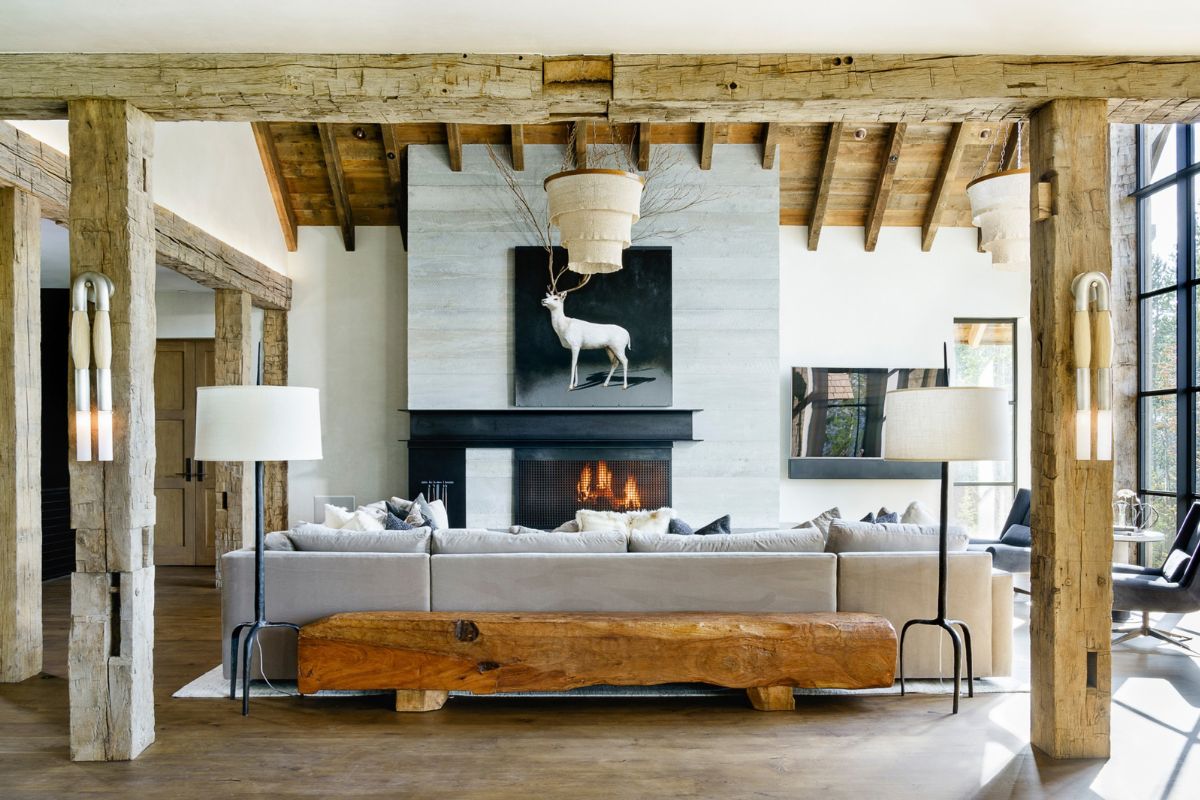
Architectural features like exposed beams, vaulted ceilings, and large fireplaces are characteristic of rustic living rooms. These elements not only add visual interest but also contribute to the overall sense of warmth and character.
Balancing Rustic with Modern Comfort
While rustic style is rooted in tradition, it’s essential to balance it with modern comforts to create a functional living space. This can be achieved by incorporating modern furniture pieces and amenities that complement the rustic elements.
Creating a Warm Rustic Color Palette
Creating a warm and welcoming rustic living room begins with choosing the perfect color palette. A well-selected color scheme can make your space feel cozy and inviting, setting the tone for the entire room.
Earth Tones and Neutral Foundations
Earth tones such as beige, sienna, and umber form the foundation of a rustic color palette. These natural hues, combined with neutral backgrounds, create a warm and welcoming atmosphere. Neutral foundations like cream or soft gray help to balance the earthy tones, preventing the space from feeling too dark or heavy.
Strategic Accent Colors
Strategic accent colors can add depth and character to your rustic living room. Consider incorporating rich reds, deep greens, or warm yellows to add visual interest. These accent colors can be introduced through furniture, rugs, or decorative accessories, adding a pop of color to the space.
Layering Colors for Depth and Interest
Layering different colors and textures is key to creating a visually appealing rustic living room. By combining earthy tones with strategic accent colors and varying textures, you can add depth and interest to the space. This layering technique helps to create a cozy and inviting atmosphere, perfect for relaxing and socializing.
Selecting Furniture for Your Rustic Living Room
To achieve a warm and welcoming rustic living room, it’s essential to choose the right furniture pieces. The furniture you select will play a significant role in defining the ambiance and character of the space.
Wood Furniture Types and Finishes
Wood furniture is a staple in rustic decor. Types like oak, pine, and cedar are popular for their natural beauty and durability. Distressed or reclaimed wood finishes can add a layer of authenticity to your rustic living room.
Consider pieces with visible grain and texture to enhance the natural feel.
Upholstery Materials That Complement Rustic Style
Upholstery materials such as leather, linen, and cotton are well-suited for a rustic living room. Leather, in particular, ages well and develops a beautiful patina over time.
Linen and cotton fabrics in earthy tones can add warmth and coziness to your seating areas.
Statement Pieces That Anchor the Space
Statement pieces like a vintage wooden chest or a stone fireplace surround can serve as focal points in your rustic living room.
These elements not only add character but also help to anchor the space, creating a sense of cohesion and harmony.
Decorative Touches That Add Rustic Character
To infuse your living room with rustic charm, consider incorporating decorative elements that reflect the warmth and character of the rustic style. Decorative touches play a significant role in enhancing the rustic ambiance, making the space feel cozy and inviting.
Textiles and Soft Furnishings
Textiles such as woven blankets, chunky throws, and plush rugs in natural fibers like wool and jute can add warmth and texture to your rustic living room. Soft furnishings in earthy tones complement the natural beauty of rustic decor.
Wall Décor and Artwork Selection
Wall decor and artwork can significantly impact the rustic character of your living room. Consider using natural elements like reclaimed wood, vintage metal signs, or artwork that reflects the beauty of nature to create a visually appealing focal point.
Vintage and Repurposed Accessories
Vintage and repurposed accessories can bring a unique touch to your rustic living room. Look for items like antique furniture, old doors, or repurposed metalware to add character and tell a story.
Lighting Design for Rustic Living Rooms
Lighting plays a pivotal role in accentuating the warmth and character of a rustic living room. A well-designed lighting plan can enhance the natural beauty of the materials and architectural features that define this style.
Maximizing Natural Light
Maximizing natural light is essential in a rustic living room. Large windows and skylights can help bring in natural light, reducing the need for artificial lighting and highlighting the room’s natural textures.
Choosing Ambient Lighting Fixtures
Ambient lighting fixtures such as table lamps and floor lamps with rustic finishes can add warmth and coziness. Choosing fixtures that complement the room’s style is crucial.
Strategic Task and Accent Lighting
Task and accent lighting can be used to draw attention to specific features, such as a stone fireplace or a piece of artwork. Strategically placing these light sources can create a layered lighting effect that adds depth and visual interest to the room.
Conclusion
Creating a rustic living room is about more than just selecting furniture and decor; it’s about crafting a cozy living space that feels warm and inviting. By incorporating natural materials, earth tones, and thoughtful lighting design, you can bring your rustic vision to life.
A well-designed rustic living room design should evoke a sense of comfort and relaxation. To achieve this, focus on balancing rustic elements with modern comforts. Consider the role of textiles, wall decor, and vintage accessories in adding depth and character to your space.
With these principles in mind, you’re ready to start designing your own rustic living room. Explore different styles, materials, and lighting options to create a cozy living space that reflects your personal taste. By doing so, you’ll be able to create a warm and welcoming atmosphere that makes your home feel truly special.