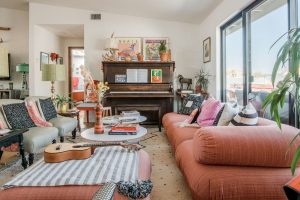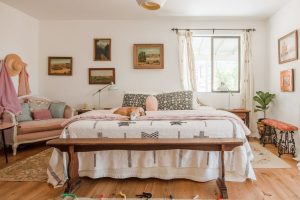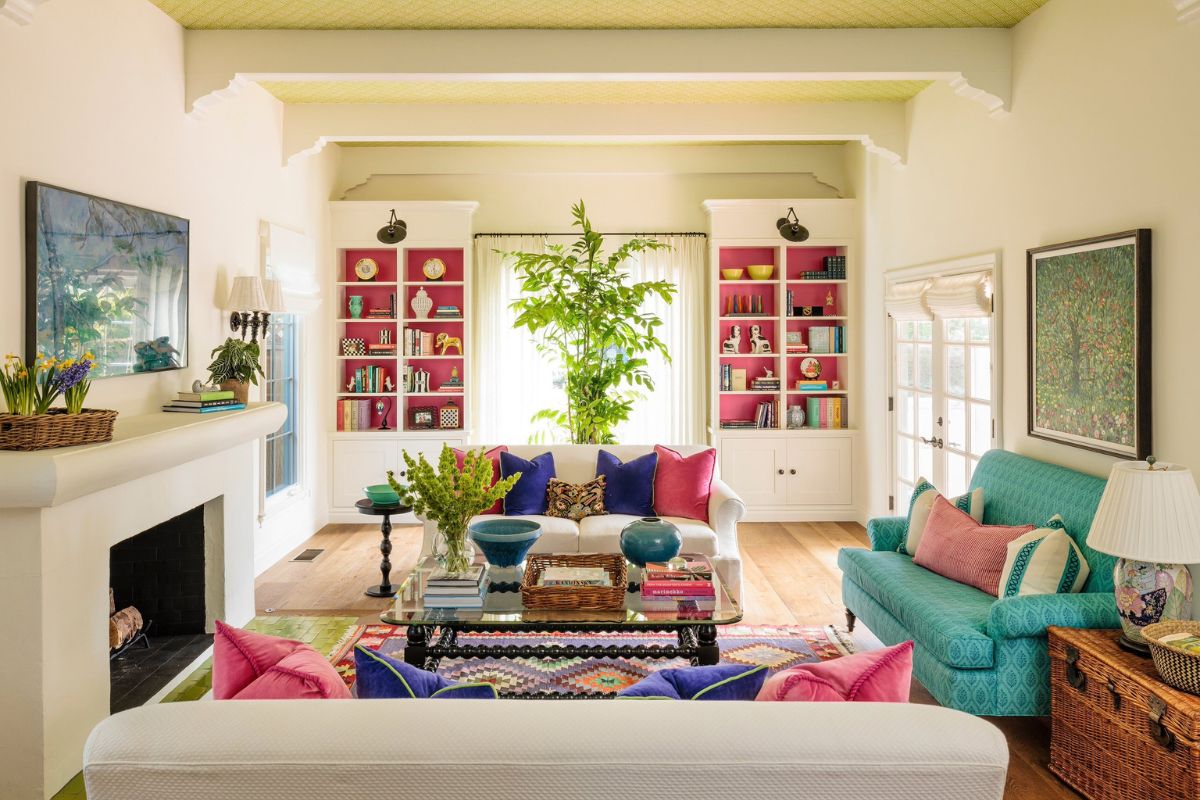
An eclectic room rarely looks like it came from a single showroom. A mid-century walnut credenza sits beneath a gilt-framed oil painting, a pair of Moroccan leather poufs pull up to a glass coffee table, and a faded Persian rug anchors a modern bouclé sofa. Nothing matches exactly, yet the room feels settled, as if each piece found its way there over many years.
That sense of ease is the whole point of eclectic style. It mixes periods, cultures, and materials, but it does so with a plan: a controlled palette, repeated shapes and finishes, and enough breathing room for the best pieces to stand out. Done well, it is one of the most personal ways to decorate, because it is built from what the owner loves rather than from a set formula.
Key Takeaways
- Eclectic style mixes furniture, art, and decor from different eras and cultures, held together by a clear plan.
- A limited color palette, usually two or three main colors plus a neutral base, keeps varied pieces from clashing.
- Repetition of a color, finish, shape, or material across a room creates the thread that ties it together.
- Pattern mixing works best when patterns vary in scale and share at least one color.
- Negative space and careful editing separate a collected look from a cluttered one.
- Vintage, secondhand, and inherited pieces are the backbone of the style and make it budget-friendly.
What Eclectic Style Really Means
Eclectic is often used loosely to describe any room that looks a bit unusual. In interior design it has a more specific meaning: the deliberate combination of pieces from different styles and periods, arranged so that the contrasts feel intentional.
Mixing With a Point of View
The difference between eclectic and simply mismatched is editing. An eclectic designer chooses each piece for a reason, whether its color, shape, texture, or story, and then checks how it relates to everything else in the room. A Louis XVI-style chair next to a lacquered Parsons desk works because both have clean, tapered legs and share a crisp white finish, not because they happen to be in the same room.
How It Differs From Bohemian and Transitional Style
Bohemian style is a close cousin, but it leans toward a relaxed, layered, global look with lots of textiles, plants, and warm earthy colors. Eclectic style can be boho, but it can just as easily be polished, graphic, or formal. Transitional style blends traditional and modern too, though it keeps the mix quiet and neutral, while eclectic style is happy to let contrasts show.
Eclectic vs. Maximalism
Maximalism is about abundance: saturated color, dense pattern, and walls covered in art. An eclectic room can be maximalist, but it does not have to be. Many eclectic interiors are fairly restrained, with a pale palette and only a handful of contrasting pieces. What defines eclectic style is the mix of sources, not the quantity of things.
The “Collected Over Time” Feel
The best eclectic rooms look as though they evolved slowly. That impression comes from mixing finishes and ages: a little patina, a few handmade objects, a piece of furniture with visible wear, and some newer, clean-lined items to keep the room current.
A Brief History of Eclectic Design
Eclectic decorating is not a recent invention. It grew out of centuries of collecting and travel, and it has been reinterpreted by every generation since.
Collectors and Cabinets of Curiosity
From the Renaissance onward, wealthy European collectors filled rooms with natural specimens, antiquities, and objects from distant places. In the 17th and 18th centuries, young aristocrats on the Grand Tour brought home classical sculpture, paintings, and souvenirs from Italy and beyond, mixing them with furniture from home.
The Victorian Revival Era
The 19th century embraced eclecticism openly in both architecture and interiors. Gothic, Renaissance, Rococo, and Middle Eastern revival styles often appeared in the same house, and parlors were layered with patterned wallpaper, carved furniture, imported textiles, and collections displayed on every surface. Later in the century, Aesthetic Movement designers such as E. W. Godwin mixed Japanese prints, blue-and-white porcelain, and Western furniture in rooms that were deliberately varied.
Twentieth-Century Mixers
In the 20th century, decorators began pairing antiques with modern furniture in a lighter, more edited way. Elsie de Wolfe brightened heavy Victorian rooms with pale colors and a mix of old and new pieces, and Billy Baldwin later became known for combining antiques with simple modern seating. Mid-century homes mixed new designs with heirlooms and folk art, and later decades added global textiles and flea market finds. Contemporary eclectic style continues that tradition, usually with fewer objects and more white space than the Victorians would have tolerated.
The Core Principles of Eclectic Design
Every successful eclectic room relies on a few ground rules. They are less about restriction and more about giving varied pieces something in common.
Start With a Calm Base
A neutral or quietly colored backdrop gives bold pieces room to perform. Warm white, soft greige, pale plaster, or even a deep, moody single color on the walls all work, as long as the shell of the room does not compete with everything inside it.
Repeat to Unify
Repetition is the main tool for making a mix feel deliberate. If a brass lamp sits on one side of the room, bring brass back in a picture frame or cabinet pull on the other. If one chair is upholstered in rust velvet, repeat that rust in a cushion or a print. Aim to show each key color or finish at least three times.
Vary Scale and Height
Rooms feel flat when every piece is the same size and height. Combine one or two large anchors, such as a substantial sofa or a tall cabinet, with medium and small pieces. Vary heights with floor lamps, tall plants, low stools, and art hung at different levels.
Leave Room to Breathe
Negative space is what lets an eclectic room read as collected rather than crowded. Clear patches of wall, an empty corner of a console, or a bare stretch of floor give the eye a place to rest between interesting moments.
Choose a Unifying Thread
Beyond color, most well-designed eclectic rooms rely on one or two consistent threads that link otherwise unrelated pieces. Useful threads include:
- A recurring material, such as rattan, brass, marble, or dark wood.
- A repeated shape, such as arches, round mirrors, or tapered legs.
- A consistent frame finish across all the art in the room.
- A shared mood, for example everything slightly worn, or everything sleek and polished.
Building an Eclectic Color Palette
Color is the strongest unifier in an eclectic home. A tight palette lets very different furniture and art live together comfortably.
The 60-30-10 Starting Point
A useful rule is to use a dominant color for about 60 percent of the room (walls, large rugs, big upholstery), a secondary color for about 30 percent (curtains, accent chairs, a painted cabinet), and an accent for the final 10 percent (cushions, ceramics, art). It is a guide rather than a law, but it stops a room from becoming a scatter of equal colors.
Palettes That Work Well
Some combinations suit eclectic rooms especially well:
- Warm white, cognac, and deep teal, with brass accents.
- Soft greige, terracotta, and olive green, with black iron details.
- Navy, mustard, and blush pink, with natural wood.
- Charcoal walls with jewel tones such as emerald, sapphire, and ruby.
Letting Wood and Metal Count as Color
Wood tones and metal finishes behave like colors in a mixed room. Choose two or three wood tones, such as pale oak, mid-tone teak, and dark walnut, and repeat each one. Do the same with metals: brass and black is a reliable pairing, and a little chrome or nickel can be added if it appears more than once.
Furniture: Mixing Eras and Silhouettes
Furniture sets the structure of an eclectic room. The goal is a conversation between pieces rather than a matched suite.
Choose an Anchor Piece
Start with one significant item, such as a vintage sofa, an antique armoire, or a dramatic dining table, and build around it. Its color, material, or line can guide later choices.
Contrasting pieces work best when they share something. A curvy Art Deco armchair can sit beside an angular modern side table if both are in black. A rustic farmhouse table can host molded plastic chairs if their colors pick up the room’s accent. Look for shared color, material, line, or proportion.
Avoid Furniture Sets
Matching bedroom or living room sets work against the style. Break them up: keep the sofa, swap the matching chair for a vintage one, and replace the coordinating coffee table with something in a different material, such as stone, glass, or lacquer.
Keep Proportions Compatible
Pieces from different eras often differ in scale. Antique chairs tend to be smaller and lower than modern seating, while contemporary sofas are often deep and bulky. Check seat heights, which usually fall around 17 to 19 inches, and keep side tables close to the height of the sofa or chair arm beside them. When proportions line up, even very different styles sit comfortably together.
Pattern, Texture, and Textiles
Textiles are where eclectic rooms often show the most personality, and also where they can go wrong fastest.
Mixing Patterns With Confidence
Combine patterns of different scales: one large pattern, one medium, and one small. A large floral curtain, a medium geometric cushion, and a small ticking stripe will usually sit well together if they share a color. Mix pattern types too, such as florals with stripes, or ikat with plaids, rather than pairing two busy florals of the same size.
Layering Texture
When patterns are limited, texture keeps a room interesting. Combine smooth and rough, matte and glossy: velvet with linen, a sheepskin over a leather chair, a jute rug under a silk-tasseled ottoman, glazed ceramics beside rough terracotta.
Rugs as Foundations
Vintage and handwoven rugs are one of the most useful eclectic tools. A faded Persian, a Turkish kilim, or a Moroccan wool rug can introduce color and pattern that the rest of the room responds to. Layering a smaller patterned rug over a larger flat-woven jute rug is a practical way to use a rug that is too small for the space.
Art, Lighting, and Accessories
The finishing layer is where an eclectic room becomes personal. These pieces carry the story of the home.
Gallery Walls and Mixed Art
Gallery walls suit eclectic style well because they can combine oil paintings, prints, photographs, textiles, and small mirrors. Unify them with a consistent color story, a shared frame finish, or an even spacing of about two to three inches between frames. A single oversized canvas is just as valid and often calmer. Hang the center of a single piece or a gallery grouping at roughly 57 to 60 inches from the floor, which is close to average eye level.
Lighting as Sculpture
Lighting is a chance to add character. Pair a sculptural modern pendant with a vintage ceramic table lamp, or a rattan floor lamp with a classic brass reading lamp. Use warm bulbs, around 2700K, and layer ambient, task, and accent light so the room glows in the evening. Mixing fixtures from different eras is easier when bulbs share the same color temperature, since warm and cool light side by side can make a room feel disjointed.
Displaying Collections
Group collections rather than scattering them. Five pieces of blue and white pottery on one shelf make a statement, while the same pieces spread across the house look like clutter. Books stacked horizontally, trays, and cloches help small objects read as a single display.
Eclectic Style Room by Room
The same principles apply throughout the home, adjusted to how each room is used.
Living Rooms
The living room is usually the most eclectic space in the house. Mix a comfortable modern sofa with vintage armchairs, a stone or wood coffee table, a patterned rug, and a gallery wall. Keep a clear walkway and a consistent palette so the room still feels restful.
Bedrooms
In the bedroom, the bed is the anchor. An upholstered or vintage iron headboard, mismatched nightstands of similar height, layered bedding in two or three coordinating patterns, and soft lighting keep the mix calm enough for sleep.
Kitchens and Dining Rooms
Kitchens take eclectic touches through open shelving with mixed ceramics, a vintage runner, or a patterned tile backsplash. Dining rooms are ideal for mismatched chairs around a single table, ideally unified by color or a shared finish.
Bathrooms
In bathrooms, try a vintage dresser converted to a vanity, an ornate mirror over a modern sink, or patterned cement-look tile with simple white fixtures. Keep accessories minimal so the room stays practical.
Entryways and Small Spaces
Small rooms can carry eclectic style through one or two well-chosen contrasts instead of many. A narrow modern console under a vintage mirror, a patterned runner, and a single brass lamp give an entryway character without crowding it. In studios and small apartments, keep large furniture simple and save the mix for textiles, art, and lighting, which are easy to move and change.
Finding Pieces and Decorating on a Budget
Eclectic style rewards patience more than spending. Many of its best pieces are secondhand.
Where to Look
Thrift stores, estate sales, flea markets, auctions, and online resale listings are the natural sources for eclectic decor. Family heirlooms and items picked up while traveling bring meaning as well as character. When shopping secondhand, check that drawers run smoothly, joints are tight, and upholstered pieces have no odors or signs of pests. Solid wood with a damaged finish is often a better buy than veneer in good condition, since it can be sanded and refinished.
Refresh Before You Replace
Paint, new upholstery, and new hardware can give an old piece a new role. A dated wooden dresser painted deep green with brass pulls can become the star of a room. Reupholstering a sturdy vintage chair in a bold fabric often costs less than a new chair of the same quality.
Spend Where It Matters
Put the larger part of the budget into pieces used every day, such as a comfortable sofa, a good mattress, or a solid dining table. Fill in the rest gradually with smaller finds. Buying slowly is in keeping with the style and avoids filling the room with things chosen in a hurry.
Common Eclectic Design Mistakes
The flexibility of eclectic style is also its main risk. A few patterns of error appear again and again.
Too Many Colors
Every new color makes the next one harder to place. Rooms with eight or nine equally strong colors tend to feel chaotic. Stick to a defined palette and let neutrals and natural materials carry the rest.
No Focal Point
When every piece shouts, nothing stands out. Decide what the room’s main moment is, perhaps a fireplace, a large painting, or a striking cabinet, and let the rest of the room support it.
Overfilled Surfaces
Shelves and tabletops covered edge to edge make even beautiful objects disappear. Rotate decor seasonally, store some pieces, and keep a third or more of each surface clear.
Ignoring Function
An eclectic room still has to work. Chairs should be comfortable, lighting should reach where people read or work, and walkways should stay open. Character never makes up for a sofa nobody wants to sit on.
Turning a Room Into a Theme
Eclectic style is easily confused with themed decorating. A room filled entirely with souvenirs from one country, or with every item from the same decade, reads as a theme rather than a mix. Let any single influence take up no more than about a third of the room, and balance it with pieces from other periods or places.
Conclusion
Eclectic style is a confident mix of eras, cultures, and materials, held together by a limited palette, repeated finishes, varied scale, and plenty of breathing room. It favors vintage finds, meaningful objects, and furniture chosen for its character rather than its match.
Start with one anchor piece and a clear color plan, then add slowly and edit often. Over time the room will gain the layered, collected feel that makes eclectic interiors so personal and so easy to live with.
Frequently Asked Questions
More Eclectic Style Decor
- Eclectic Style Bedroom: Fusion of Styles for Unique Comfort
- Eclectic Style Living Room: Mixing Genres for Expressive Spaces