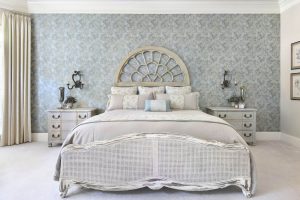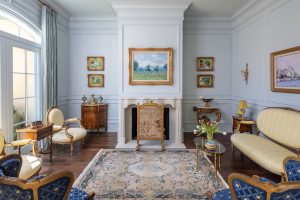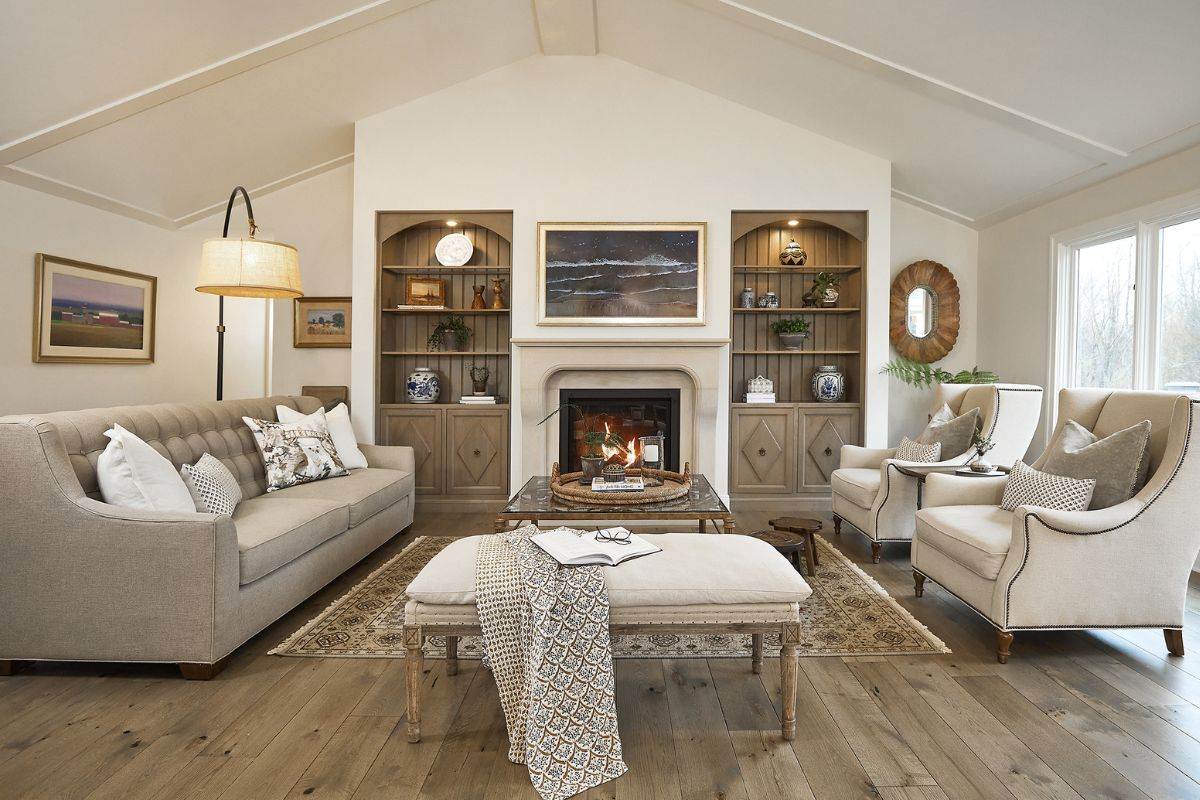
French Country style captures the relaxed elegance of a farmhouse in the French countryside. Sun-washed plaster walls, weathered wood beams, terracotta floors, curved painted furniture, and soft fabrics in toile and gingham create homes that feel warm, gracious, and lived in.
Unlike formal French design, French Country balances refinement with rustic comfort. It blends rough natural materials with graceful shapes and a gentle color palette inspired by the landscapes of Provence. Today, a lighter “modern French country” take has made the style popular again in homes around the world.
Key Takeaways
- French Country combines rustic farmhouse materials with graceful, elegant details.
- The style draws heavily on the farmhouses and villages of Provence in southern France.
- Soft colors like cream, lavender, sage, butter yellow, and French blue define the palette.
- Curved furniture, painted and distressed finishes, and wrought iron add character.
- Toile, Provençal prints, gingham, and linen are signature fabrics.
- Modern French Country keeps the charm while using a lighter, simpler approach.
What Is French Country Style?
French Country is an interior style inspired by rural homes in France, particularly the farmhouses and villas of Provence. It pairs natural, rustic materials with refined touches, creating spaces that feel both elegant and comfortable.
Roots in Provence
Provence, in the southeast of France, is known for its lavender fields, olive groves, sunflowers, and stone farmhouses. Rural homes here were built with local stone, timber, and clay tile, and furnished with sturdy pieces that often echoed the curves of fashionable Parisian furniture in simpler form. This mix of rustic and refined became the foundation of French Country style. The look reached a wide international audience in the late twentieth century, helped by books such as Peter Mayle’s A Year in Provence, which made the region’s farmhouses, markets, and kitchens famous.
Rustic Meets Refined
What sets French Country apart from other country styles is its elegance. Alongside rough beams and stone, you will find curved cabriole legs, carved details, gilded mirrors, and crystal chandeliers. The balance between these elements gives the style its gracious, timeless charm.
French Country Versus Farmhouse and Shabby Chic
American farmhouse style tends to be simpler and more utilitarian, with shiplap and black metal. Shabby chic is softer and more romantic, with pastel colors and heavily distressed white furniture. French Country sits between them: rustic and earthy, yet with more refined shapes, richer fabrics, and colors drawn from the Provençal landscape.
The French Country Color Palette
French Country colors are warm, soft, and inspired by nature.
Warm, Sun-Washed Neutrals
Cream, ivory, warm white, and soft greige create a bright, relaxed base. Walls often have a slightly textured plaster or limewash finish that catches the light.
Provençal Accent Colors
Lavender, sage and olive green, butter yellow, French blue, and terracotta reflect the fields, skies, and earth of southern France. These colors appear in fabrics, painted furniture, and ceramics.
Modern French Country Palettes
Modern interpretations often use a quieter palette of creams, warm whites, soft grays, and natural wood, with just a hint of blue, green, or lavender.
Materials and Architectural Details
Natural materials give French Country homes their rustic warmth.
Stone, Plaster, and Beams
Limestone walls and fireplaces, textured plaster, and exposed wooden ceiling beams are classic features. If your home lacks these, faux beams, limewash paint, and stone veneer can recreate the look.
Terracotta and Wood Floors
Hexagonal terracotta tiles, known as tomettes, and wide-plank wood floors with a worn finish are traditional choices. Stone and stone-look tiles are also common.
Wrought Iron and Aged Metals
Wrought iron chandeliers, curtain rods, and railings add graceful curves. Copper pots, aged brass, and pewter bring warmth to kitchens and dining rooms.
French Country Furniture
Furniture is where the elegant side of French Country shines.
Curved Silhouettes
Cabriole legs, scrolled arms, and gently carved details inspired by Louis XV furniture appear on chairs, tables, and dressers. Bergère armchairs with upholstered seats and exposed wood frames are especially characteristic.
Painted and Distressed Finishes
Many pieces are painted in cream, gray, or soft colors and gently distressed to reveal wood underneath. Natural walnut, oak, and fruitwood pieces with a waxed finish are also common.
Signature Pieces
A large armoire, a farmhouse trestle table, rush-seat ladder-back chairs, and a buffet or hutch for displaying dishes are classic French Country pieces.
Fabrics and Patterns
Textiles add softness, color, and pattern.
Toile de Jouy
Toile de Jouy, a fabric featuring pastoral scenes printed in a single color on a light background, originated in France in the 18th century. It is used on upholstery, curtains, bedding, and wallpaper.
Provençal Prints, Checks, and Stripes
Small-scale floral and paisley Provençal prints, gingham and buffalo checks, and ticking stripes add cheerful, rustic charm, especially in kitchens and dining rooms.
Linen and Natural Fibers
Washed linen, cotton, and wool keep the look relaxed. Natural fiber rugs and woven baskets add texture.
Lighting and Decor
Lighting and accessories complete the French Country look.
Chandeliers and Lanterns
Wrought iron chandeliers with candle-style arms, crystal or wood-bead chandeliers, and lantern pendants add both rustic and elegant notes.
Accessories
Gilded or carved wood mirrors, faience and ironstone pottery, copper cookware, woven baskets, and bundles of dried lavender or fresh flowers bring the countryside indoors. Vintage finds from flea markets add authentic character.
Bringing French Country Into Every Room
French Country style adapts beautifully throughout the home. Bedrooms feature upholstered or iron beds with toile or linen bedding. Living rooms combine slipcovered sofas with bergère chairs and a stone fireplace. Kitchens showcase painted cabinetry, open shelving, and copper pots. Bathrooms feature clawfoot tubs and vintage mirrors, while dining rooms center on a farmhouse table with rush-seat chairs. Even the entryway can welcome guests with a carved console, a gilded mirror, and fresh flowers.
A Brief History of French Country Style
French Country style grew out of everyday rural life rather than the royal courts. In the seventeenth and eighteenth centuries, provincial families furnished their homes with sturdy pieces made by local craftsmen from oak, walnut, chestnut, and fruitwood. These makers often copied the fashionable curves of Parisian furniture, such as the cabriole legs of the Louis XV period, but simplified them and used humbler materials. The result was furniture that combined elegant shapes with rustic construction, which is still the essence of the style today.
Textiles developed in a similar way. Brightly printed cottons known as indiennes, inspired by fabrics imported from India, became popular in Provence and evolved into the small, colorful Provençal prints associated with the region. Toile de Jouy, produced near Versailles from the 1760s, spread to country homes across France. In the twentieth century, books and magazines celebrating life in Provence introduced the look to the rest of the world, where it became a beloved interior style.
Modern French Country: Updating the Look
Traditional French Country can feel busy, with lots of pattern, color, and decorative objects. Many homeowners today prefer a lighter, more modern interpretation that keeps the charm while feeling fresh.
A Quieter Palette
Modern French Country leans on warm whites, creams, soft grays, and natural wood, using color sparingly. A single lavender cushion or a blue-and-white ceramic collection is often enough to suggest Provence without overwhelming the room.
Fewer, Larger Pieces
Instead of filling a room with many small antiques, choose a few statement pieces, such as a large armoire, a farmhouse table, or a pair of bergère chairs, and give them space. Mixing them with simple contemporary sofas or upholstered beds keeps the look relaxed.
Pattern in Moderation
Use toile or Provençal prints on one or two surfaces, such as a pair of cushions or a single upholstered chair, and keep the rest of the textiles plain linen or cotton. This approach gives the room a clear French Country identity without feeling cluttered.
How to Create a French Country Home Step by Step
French Country is a style that looks best when it evolves gradually, so there is no need to change everything at once.
Step 1: Set the Backdrop
Begin with walls and floors. Limewash or warm white paint, exposed or faux beams, and wood, stone, or terracotta-look floors create the foundation. If you cannot change floors, large natural fiber or vintage-style rugs help shift the mood.
Step 2: Add One Signature Piece Per Room
Choose one defining piece for each room: a farmhouse table in the dining room, an armoire in the bedroom, a carved console in the entry, or a pair of bergère chairs in the living room. These anchor pieces establish the style immediately.
Step 3: Layer Textiles
Add linen curtains, toile or ticking cushions, a woven throw, and a natural fiber rug. Textiles are an easy and affordable way to bring in pattern and softness.
Step 4: Bring In Light and Nature
Replace modern fixtures with a wrought iron chandelier or lantern pendant, add warm table lamps, and fill pitchers with lavender, olive branches, or garden flowers. These touches give the space the relaxed warmth of the countryside.
French Country Style on a Budget
Authentic French antiques can be expensive, but the look is surprisingly easy to achieve affordably. Flea markets, estate sales, and secondhand shops often have solid wood chairs, small chests, and mirrors that can be cleaned, waxed, or painted in soft cream or gray. A coat of chalk-style paint and light sanding on the edges can transform an ordinary dresser into a French Country piece.
Inexpensive details make a big difference as well. Swap modern hardware for aged brass or iron knobs, hang linen curtains on an iron rod, display everyday ceramics on open shelves, and use fresh or dried flowers generously. Bundles of dried lavender, in particular, cost little and instantly evoke Provence.
Common French Country Mistakes to Avoid
One common mistake is relying on clichés, such as rooster figurines, word signs, or too many sunflower motifs, which can make a room feel themed rather than authentic. Another is making everything match. French Country homes look collected over generations, so mix wood tones, finishes, and slightly different chair styles rather than buying a matching set.
It is also easy to tip the balance too far toward either rustic or formal. A room full of ornate gilded pieces feels more like a palace than a farmhouse, while one with only rough wood feels like generic rustic style. Aim for a mix of both. Finally, avoid cold, bright lighting. Warm bulbs, lamps, and candlelight are essential to the inviting French Country atmosphere.
How to Shop for Authentic French Country Pieces
The most convincing French Country rooms include at least a few pieces with real age or real craftsmanship. Knowing what to look for helps you spend wisely, whether you are browsing an antiques fair or a neighborhood thrift store.
Signs of Quality Construction
Pull out a drawer and look at the corners. Dovetail joints, solid wood sides, and slightly irregular hand-cut details point to older, well-made furniture. Wooden pegs instead of screws, hand-planed surfaces that feel faintly uneven, and wear on the edges where hands have touched for decades are all good signs.
Pieces Worth Hunting For
- Bergère and fauteuil chairs, even with worn upholstery, since recovering them is straightforward
- Oak or walnut armoires, buffets, and commodes with carved aprons or cabriole legs
- Rush-seat or cane chairs, which look best in mismatched groups
- Faience plates, ironstone pitchers, confit pots, and glazed earthenware bowls
- Old linen sheets, grain sacks, and hemp fabric that can become cushions, curtains, or table runners
- Carved or gilded mirrors, even with foxed or cloudy glass
New Pieces That Still Feel Right
You do not need an all-antique home. When buying new, choose solid wood or wood with a hand-rubbed finish over glossy lacquer, look for gentle curves rather than heavy ornament, and favor natural fabrics like linen and cotton. A new upholstered sofa in a simple shape works well beside one or two older pieces that carry the history.
Blending French Country With Other Styles
French Country mixes easily with other styles because its core ingredients, natural materials and soft colors, are widely compatible. The key is deciding which style leads and letting the other play a supporting role.
French Country and Modern
Pair a carved antique console with a clean-lined lamp, or place bergère chairs around a simple round pedestal table. Crisp white walls, minimal window treatments, and a restrained number of accessories let the curved pieces stand out as sculptural accents rather than part of a busy scheme. Keep metal finishes consistent, such as aged brass or matte black, so the modern elements feel intentional. A large abstract canvas above a stone mantel or a rustic buffet is another easy way to bridge the two looks.
French Country and Coastal
The blue-and-white side of Provence pairs naturally with coastal style. Use French blue and white ticking stripes, bleached or whitewashed wood, rattan, and linen slipcovers. Skip nautical motifs and let the colors and airy textiles carry the seaside feeling instead.
French Country and Traditional
In more formal homes, French Country softens traditional rooms. Keep the symmetry and classic layouts, then relax them with linen upholstery, painted finishes, terracotta pots, and a rustic wood dining table beneath an elegant chandelier.
Caring for French Country Materials
Much of the charm of French Country comes from materials that improve with age, as long as they get the right care.
Waxed Wood and Painted Furniture
Dust waxed wood with a soft cloth and reapply paste wax once or twice a year to keep the surface nourished and the patina rich. Avoid silicone sprays, which leave a film that makes future waxing difficult. Painted pieces can be wiped with a barely damp cloth, and small chips usually add to the character rather than needing repair.
Terracotta, Stone, and Linen
Unsealed terracotta and limestone are porous, so seal them according to the material and clean them with pH-neutral cleaners rather than vinegar or harsh chemicals. Linen softens with every wash. Wash it in cool or lukewarm water, line dry when possible, and embrace the natural wrinkles instead of pressing them flat.
Copper and Wrought Iron
Polish copper occasionally if you like it bright, or let it darken to a warm brown patina. Wrought iron needs only dusting indoors, though a light coat of wax on chandeliers and curtain rods helps prevent rust in humid kitchens and bathrooms.
French Country Quick-Start Checklist
Use this checklist to see how close a room is to the look and what to add next.
- Walls in a warm white, cream, or limewash finish
- A floor or rug with natural texture, such as wood, terracotta, stone, or jute
- At least one curved or carved piece of furniture
- A mix of wood tones and painted finishes rather than a matching set
- Linen or cotton textiles, with one pattern such as toile, check, or a Provençal print
- One iron, wood, or crystal light fixture plus warm lamps
- Ceramics, baskets, or copper used and displayed together
- Fresh greenery, herbs, or dried lavender
If a room ticks most of these boxes, focus on editing rather than adding. French Country feels most authentic when every object looks useful, loved, and a little worn.
Conclusion
French Country style blends the rustic warmth of the Provençal countryside with graceful, refined details. With a soft, nature-inspired palette, natural materials, curved and painted furniture, and charming fabrics, it creates homes that feel elegant yet welcoming.
Whether you embrace the traditional look or a lighter modern version, French Country offers a timeless way to bring comfort, character, and a touch of European charm into your home.
Frequently Asked Questions
More French Country Style Decor
- French Country Style Bedroom: Rustic Elegance and Timeless Comfort
- French Country Style Living Room: Provincial Warmth and Classic Appeal